
Last updated November 24, 2026
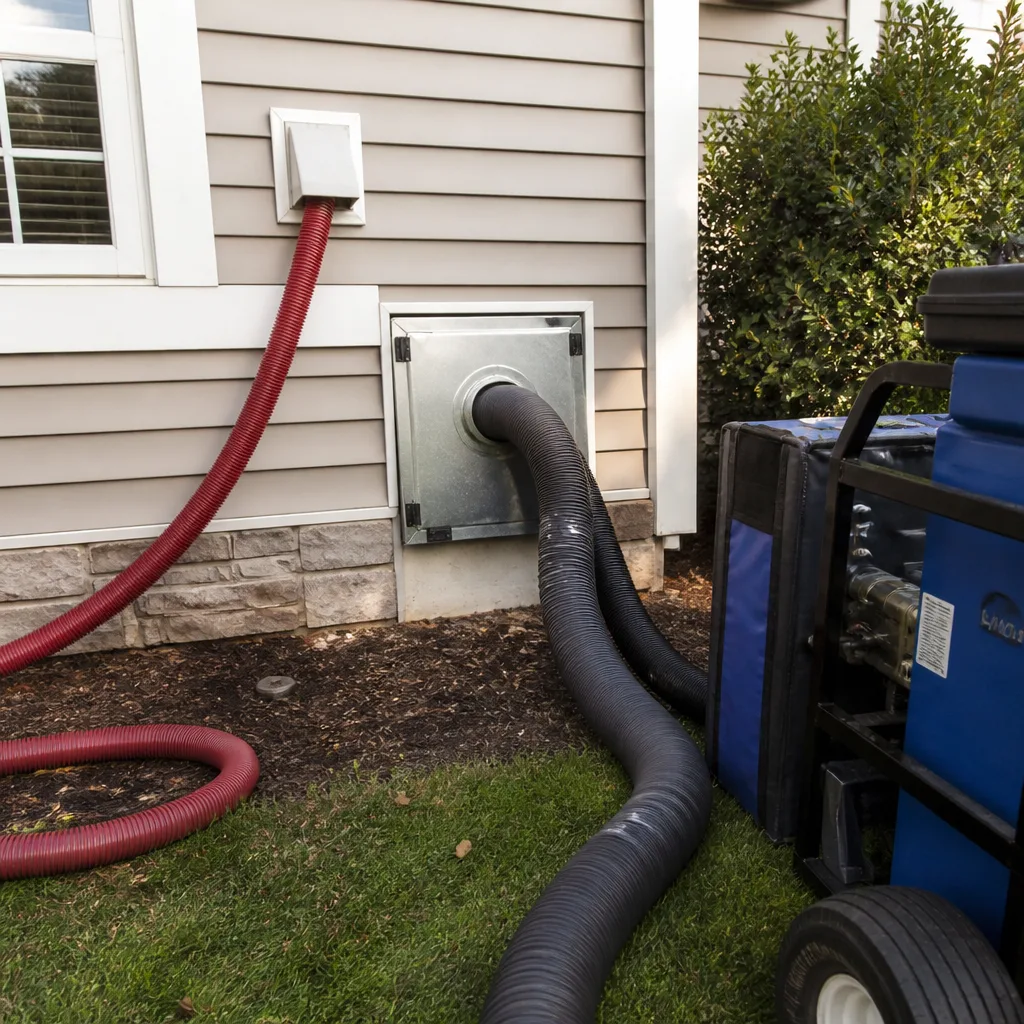 Whole-home duct cleaning
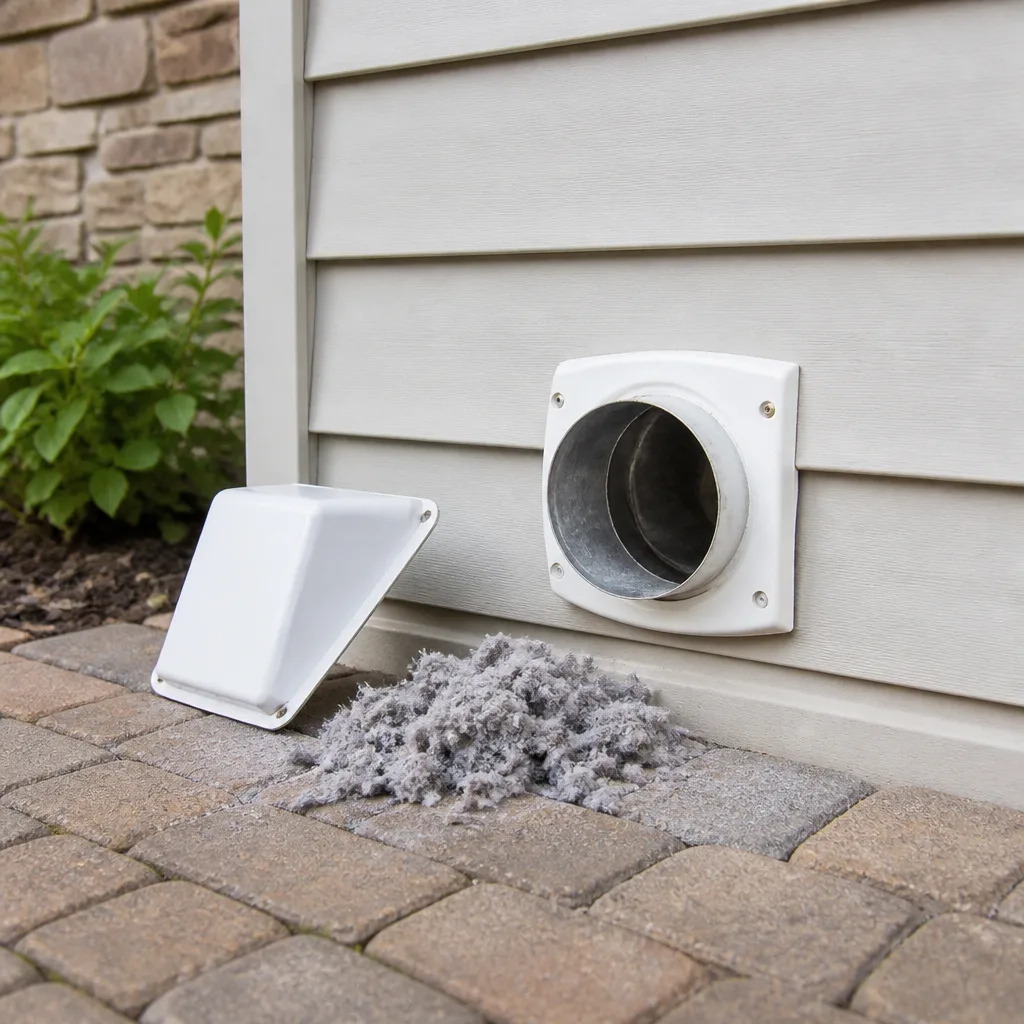 Dryer vent cleaning
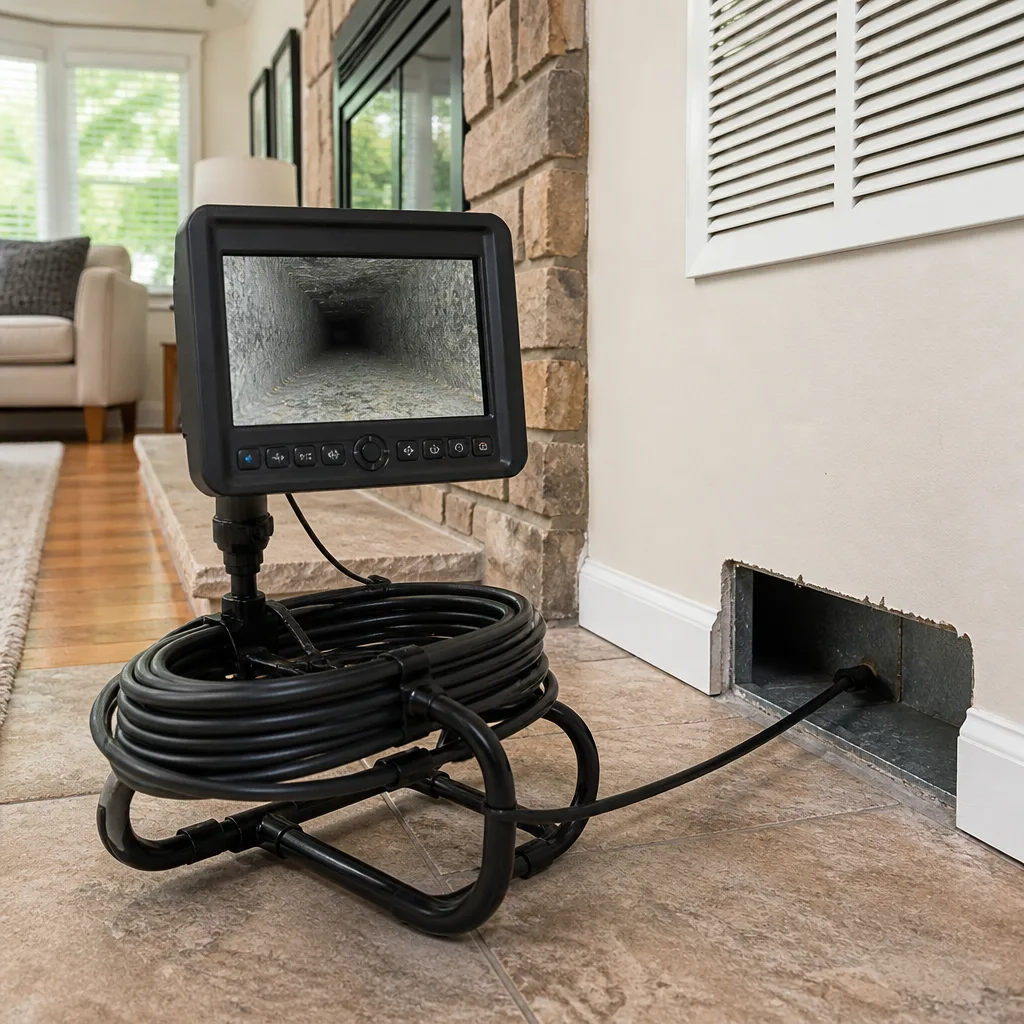 Camera inspection
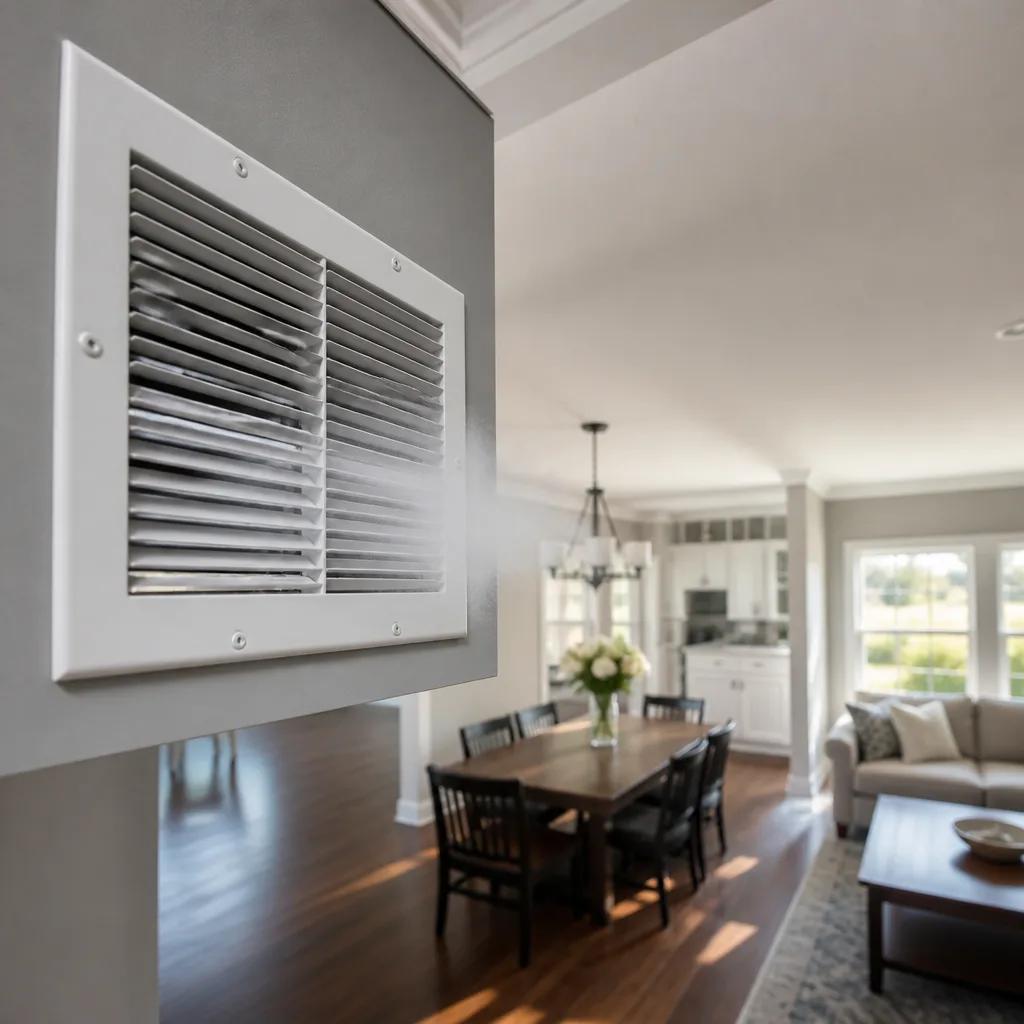 Sanitizing & deodorizing
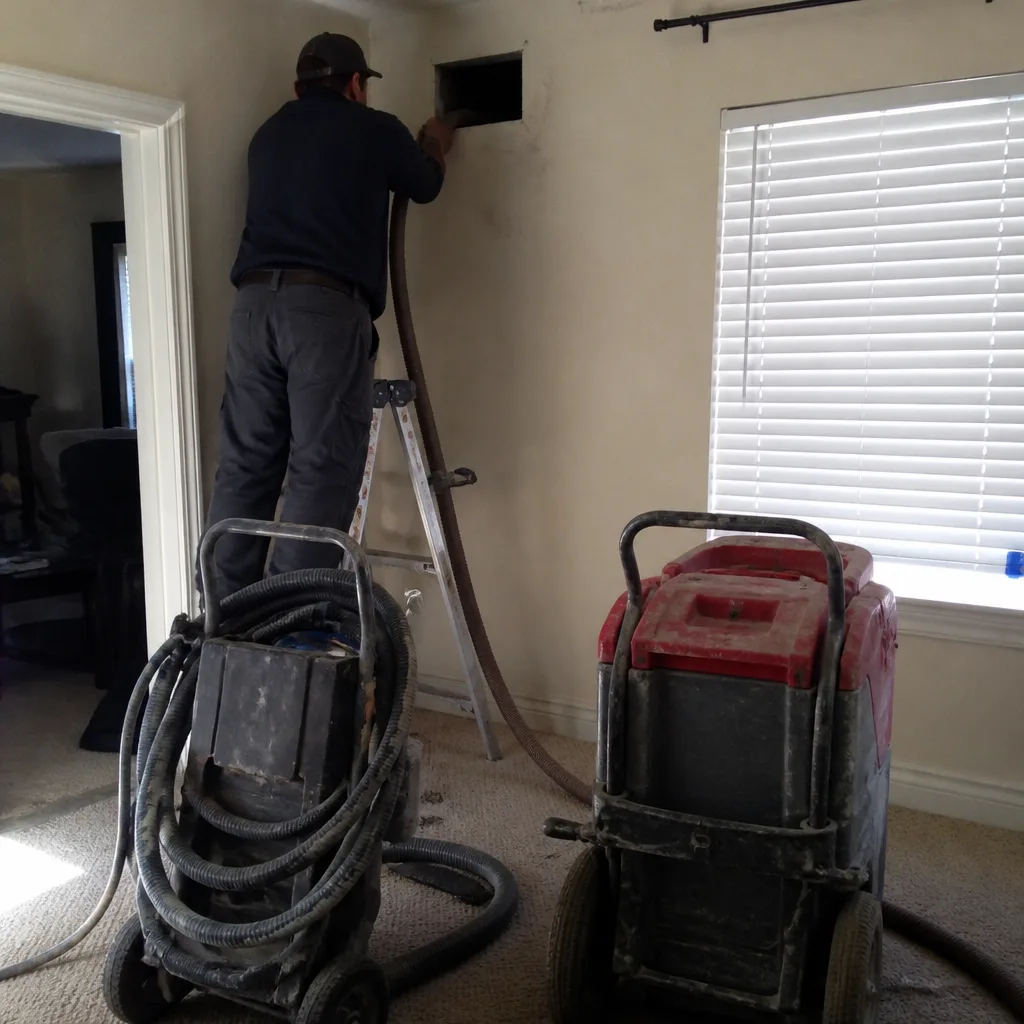
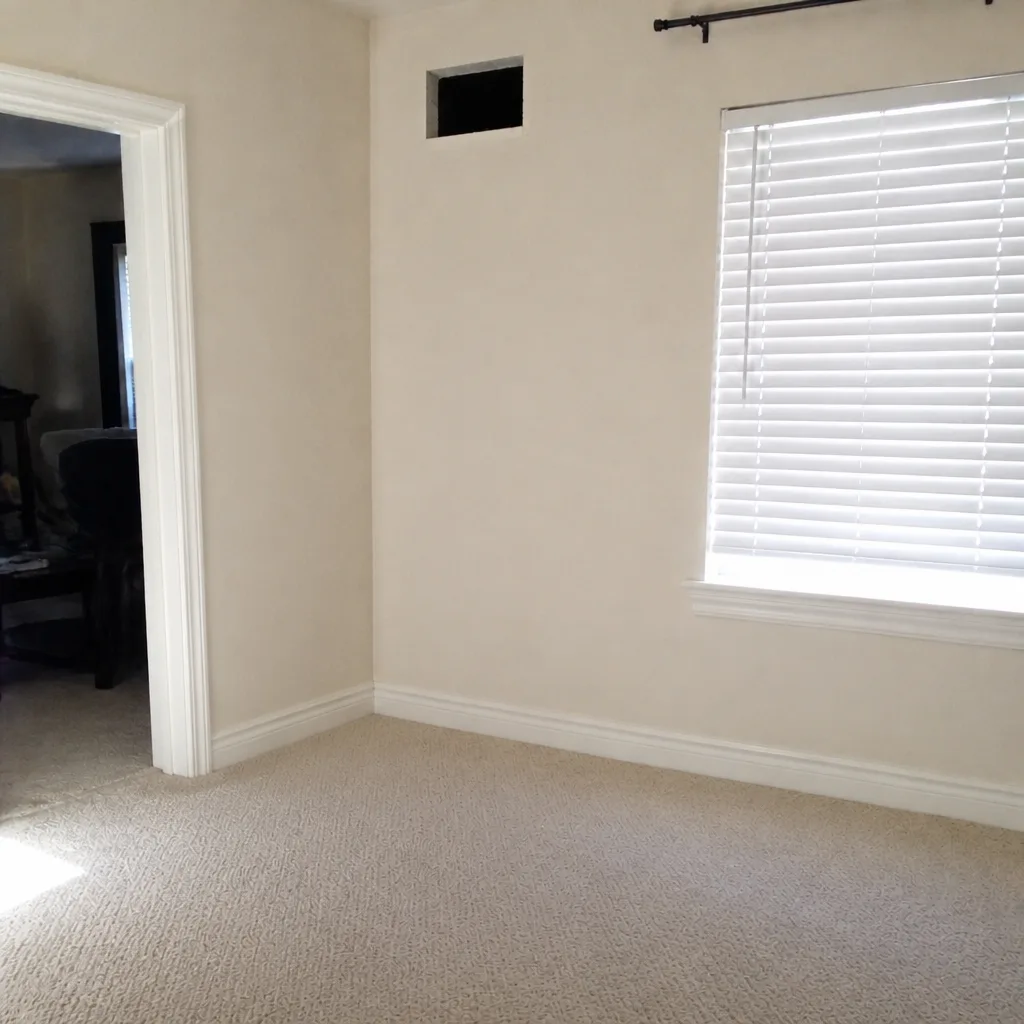
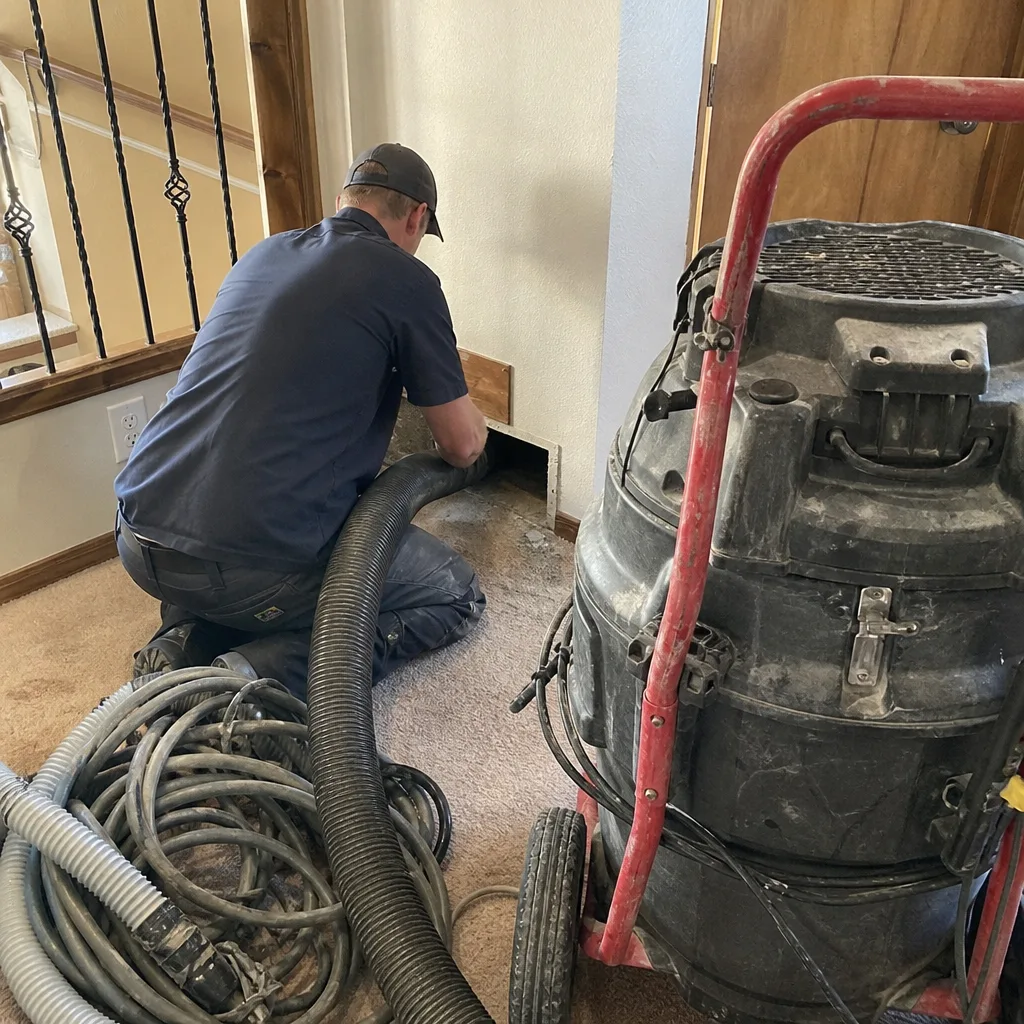
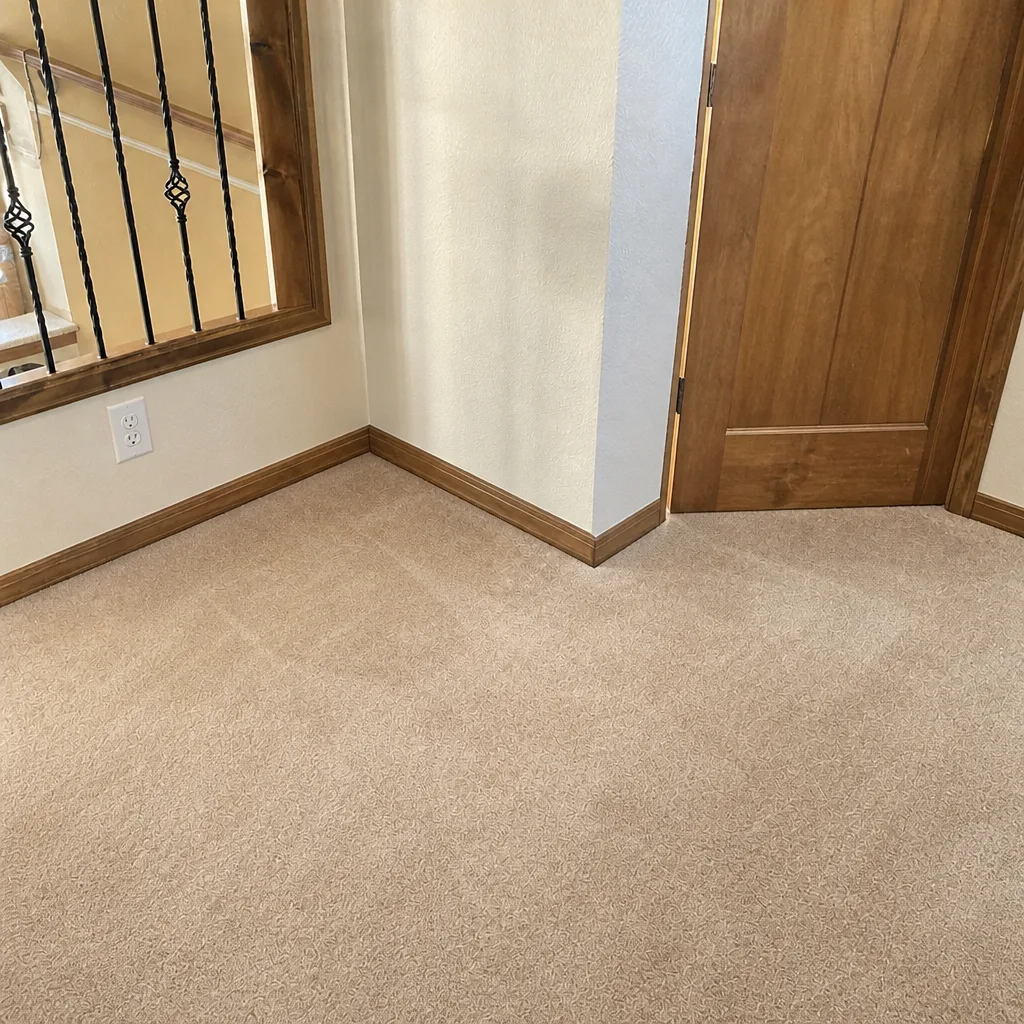
Whole-system duct and dryer vent check with before-and-after photos - you see exactly what came out of your vents
That "$99 whole-house special" is a bait ad - the real number appears once they are in your hallway, or the "clean" is a shop-vac at the register. We photograph the inside of your ducts before and after instead.
Air Duct Cleaning Maintenance Schedule: What to Do and When
The “every 3 to 5 years” rule you’ve seen on a refrigerator magnet was never meant for every home. It’s an average pulled across millions of houses with wildly different conditions, and it ignores the two things that matter most in American Fork: what’s actually in your air, and how hard your system works to move it. A home near the foothills with two dogs, a wood stove, and a recent basement finish doesn’t follow the same schedule as a townhome with no pets and a brand-new air handler. This guide builds a tiered maintenance calendar around your home’s real risk factors, with month-by-month tasks you can do and the checkpoints that call for professional equipment.
Quick Answer
Most American Fork homes should have ducts professionally cleaned every 3 to 5 years, but that window narrows to every 2 to 3 years for households with pets, allergies, recent construction, or heavy wildfire-smoke exposure, and can stretch toward 5 to 7 years for low-occupancy homes with good filtration and no pets. Between professional cleanings, change filters every 1 to 3 months, inspect registers seasonally, and watch filter loading rate as your early-warning signal that the system is carrying more particulate than it should.
Styles & brands we work with
- Whole-home duct cleaning
- Dryer vent cleaning
- Camera inspection
- Sanitizing & deodorizing
Table of Contents
- How Often Should Air Ducts Be Cleaned in Utah?
- Tiering Your Cleaning Frequency by Household Risk
- The Month-by-Month Maintenance Calendar
- What You Can Do Yourself vs. What Needs a Pro
- Using Filter Loading Rate to Track Duct Condition
- Post-Wildfire-Smoke and Post-Inversion Protocol
- Signs Your Ducts Are Overdue
- What Professional Cleaning Actually Involves
How Often Should Air Ducts Be Cleaned in Utah?
For a typical Utah County home, professional duct cleaning every 3 to 5 years is a reasonable baseline, and 2 to 3 years is the right interval for homes with pets, allergy sufferers, or a recent remodel. Utah’s specific conditions push many American Fork homes toward the shorter end of that range. The valley’s winter inversions trap particulate in the air for days at a time, and every one of those days your system is pulling that air through the same ductwork. Add the construction dust from a county that’s been building at a steady clip, and the average local home is accumulating debris faster than the national rule of thumb assumes.
Altitude plays a role too. At roughly 4,500 feet, the air is thinner and heating systems work a little differently than at sea level, but the practical effect for duct maintenance is this: filtration is doing more of the heavy lifting, and when filters load up prematurely, the blower pulls harder and can draw dust past gaps and loose joints. That’s one reason we treat duct sealing as part of the maintenance conversation, not a separate upsell.
The honest answer is that no single number fits every American Fork home. A three-bedroom house with no pets on a good filter schedule is a different animal from a five-bedroom with two dogs and a fireplace that runs all winter. The next section breaks that into tiers so you can place your own home.
Tiering Your Cleaning Frequency by Household Risk
Rather than one interval for everyone, place your American Fork home in one of three tiers. These are starting points, not rules, and a professional inspection can confirm whether your tier is right.
Tier 1: Every 2 to 3 Years
- One or more pets, especially dogs or cats that shed
- Anyone in the household with asthma, seasonal allergies, or respiratory sensitivity
- A recent renovation, remodel, or new construction dust event in the past 24 months
- Wood-burning fireplace or stove used regularly in winter
- Home older than about 25 years with original or aging ductwork
- Heavy wildfire-smoke exposure during the summer season
Tier 2: Every 3 to 5 Years
- No pets, no known allergy issues
- No recent construction or renovation
- Filter changed on a consistent schedule
- Home built or ductwork updated within the last two decades
Tier 3: Every 5 to 7 Years (With Annual Inspection)
- Low-occupancy home or seasonal residence
- No pets, no fireplace, no recent construction
- High-quality filtration maintained consistently
- No visible dust streaking at registers or around return grilles
Even in Tier 3, we recommend a visual inspection every year and a professional assessment if anything changes. A new pet or a kitchen remodel can move a home from Tier 3 to Tier 1 overnight, and the schedule should move with it. This is the calendar approach, not the arbitrary-interval approach.
The Month-by-Month Maintenance Calendar
Here’s a calendar built around Utah’s seasonal patterns, not a generic national schedule. Some months are about prevention, others about responding to what the season just threw at your system.
- January: Mid-inversion season. Check your filter; if you can’t see light through it when held to a lamp, replace it. Vacuum register grilles with a brush attachment.
- February: Peak heating load. Listen for whistling or rattling at registers, which can signal loose joints. Note any rooms that heat unevenly.
- March: Spring thaw and wind season. Replace the filter and do a visual check of accessible duct runs in the basement or crawlspace for disconnected sections.
- April: Construction season ramps up across Utah County. If there’s digging or building near your home, keep windows closed on windy days and check filters more often.
- May: Switch to cooling. Before the first hot stretch, replace the filter and confirm return grilles aren’t blocked by furniture or rugs.
- June: Early wildfire season. Begin monitoring local air quality reports and keep windows closed during smoke events.
- July: Peak smoke and dust. Replace filters more frequently if smoke has been heavy. Note any musty or smoky smell from vents when the system starts.
- August: Continue smoke-season filter discipline. Check the condensate line and drain pan area for standing moisture, which can feed microbial growth.
- September: Transition month. Replace the filter and do a full visual walkthrough of every register in the house, noting dust streaking or dark staining.
- October: Fireplace and stove season begins. If you burn wood, expect higher particulate load and plan accordingly.
- November: Inversion season starts. Confirm your filter is fresh before the cold sets in and the windows stay shut.
- December: Deep winter. Replace the filter, check for cold spots near registers, and schedule a professional inspection if it’s been more than three years since the last cleaning.
Print this calendar or put reminders in your phone. The point isn’t perfection; it’s catching the transitions before they turn into a bigger job. American Fork homes sit in a basin that holds winter air, and that single geographic fact is why a calendar beats a refrigerator magnet.
What You Can Do Yourself vs. What Needs a Pro
A lot of duct maintenance is genuinely homeowner work. Some of it isn’t, and pretending otherwise is how people damage their systems or miss real problems.
What You Can Do Yourself
- Change or clean filters on schedule (every 1 to 3 months, more often during smoke season)
- Vacuum register grilles and return covers with a brush attachment
- Keep furniture, rugs, and boxes clear of return air pathways
- Visually inspect accessible duct runs for obvious disconnection, crushing, or pest intrusion
- Track filter loading rate and note changes in how fast filters clog
- Record when the last professional cleaning happened and what was done
What Requires Professional Equipment
- Interior camera inspection of duct runs you can’t see
- Duct leakage testing to measure how much conditioned air is escaping
- Contact cleaning of duct interiors with rotary brush and HEPA extraction equipment
- Sealing of leaks and disconnected joints, which requires access and the right materials
- Sanitizing treatment after cleaning to address microbial growth
- Dryer vent cleaning, which is a fire-safety service best handled with proper equipment
For the professional side, we run air duct cleaning with Rotobrush and Nikro systems, which are the professional standard for contact cleaning of duct interiors. Abatement Technologies equipment gives us negative-pressure containment so dislodged debris doesn’t re-enter living spaces during the job. Those aren’t tools a homeowner can replicate with a shop vac, and that’s fine. Use your time on the tasks that pay off, and call in the heavy equipment when the calendar or the inspection says it’s time.
Using Filter Loading Rate to Track Duct Condition
Your filter is a cheap sensor for what’s happening inside your ducts. If you track how quickly it loads up, you get an early warning before a full cleaning is due.
Here’s how to use it: note the date you install a fresh filter. Check it every two weeks by holding it up to a light. When you can no longer see clear light through it, note the date and replace it. Do this for a full year and you have a baseline.
- Filter lasts 3 months or longer: Your system is carrying a normal particulate load. Stay on your tier schedule.
- Filter lasts 4 to 6 weeks: Elevated load. Check for pets in high-shed season, recent construction nearby, or a loose return duct pulling from an unconditioned space.
- Filter lasts 2 to 3 weeks: High load. Something is wrong beyond normal dust, whether it’s a disconnected duct, a return pulling from a crawlspace, or excessive smoke exposure. Time for a professional inspection.
- Filter loads unevenly: Usually a sign of a duct problem on one side of the system, not a filter problem. Worth a look.
We’ve seen this proxy work better than any calendar for catching problems early. A homeowner who notes filter dates will know something’s off weeks before they’d notice dust on the ceiling. It costs nothing and takes about a minute per check.
Post-Wildfire-Smoke and Post-Inversion Protocol
Utah’s inversion winters and summer wildfire smoke both leave particulate in your system, and the response isn’t the same as a routine filter change. After a significant smoke event or a long inversion stretch, run this protocol.
- Replace the filter immediately once air quality returns to normal. A filter that has absorbed a week of smoke is done, even if it looks partially clean.
- Wipe down register grilles and return covers with a damp cloth to remove settled particulate on the surface.
- Check for visible dust streaking or dark staining around registers and on nearby walls, which can indicate particulate being pushed through gaps.
- Run the system on fan-only for a short period after the smoke clears to move filtered air through the ducts.
- Note any persistent smoky or musty smell from vents when the system starts. That’s a sign particulate has settled into duct lining and needs professional attention.
- If two or more smoke events happen in the same season, move your next professional cleaning up by a year.
The lining of your ductwork can hold particulate like a sponge holds water, and once it’s saturated, no filter change removes it. That’s the point at which contact cleaning with rotary brush equipment and post-clean sanitizing becomes worthwhile. American Fork homes that face both a smoke season and an inversion season are essentially getting two particulate events per year, which is why the tier system here weights smoke exposure so heavily.
Signs Your Ducts Are Overdue
Your calendar is a guide, but your house will tell you when something’s off. Watch for these signals in an American Fork home.
- Visible dust puffing from registers when the system starts
- Filter loading faster than your baseline, especially within weeks
- Persistent musty, smoky, or stale smell from vents
- Dust streaks around register covers or on nearby walls and ceilings
- Uneven heating or cooling between rooms that wasn’t there before
- Increased allergy symptoms indoors that don’t track to outdoor seasons
- Visible debris inside accessible duct runs during a basement or crawlspace walk
- Recent remodel, roof work, or pest activity
Any one of these is worth a call. Two or more together means it’s time for a professional assessment, not next year’s scheduled cleaning. The same applies to the dryer vent, which is on a separate calendar and deserves its own attention. If you haven’t had yours checked in a year or more, our dryer vent cleaning service covers a fire-risk reduction most air duct cleaners don’t offer.
What Professional Cleaning Actually Involves
If you’ve only had a quick “blow and go” service before, the professional version looks different. Here’s what a thorough job covers, and why the equipment matters.
We start with a diagnosis: a walkthrough of every register, the return grilles, and the air handler, plus interior camera inspection where we need it to see what’s happening in the duct runs. Then we set up negative-pressure containment with Abatement Technologies equipment so particulate stays out of your living space. Contact cleaning of the duct interiors comes next, using Rotobrush and Nikro systems. After the physical clean, we check for leaks and disconnected joints and address them with duct repair and sealing, because a clean duct that leaks pulls in new dust within months. Finally, sanitizing treatment with Guardsman-grade product goes in after the clean to inhibit microbial regrowth.
For a full-system scope, we also handle HVAC cleaning, because the air handler and coil are part of the same air path as your ducts. Filter and purification upgrades using Honeywell and Aprilaire products are available when the diagnosis points that direction. Every job gets a written estimate before work starts, one flat price per system with no per-vent pricing, so you know the cost before the equipment comes out. We use the same equipment trusted by professional remediation contractors, and that shows in the scope of the work.
Common Mistakes to Avoid
- Following the 3 to 5 year rule blindly. That number was averaged across millions of homes with different conditions. If you have pets, allergies, or a recent remodel, treat it as a starting point, not a target.
- Stretching filter changes into the 6-month range. Utah’s inversion winters and construction dust load filters faster than the change interval on the packaging assumes. Check every two weeks and replace when light stops passing through.
- Assuming a cheaper quote means a smaller job. A low coupon price often becomes a much larger invoice once the technician is on site. Ask for a written estimate covering the whole system before anyone starts work.
- Skipping the sealing step. Cleaning a leaky duct system without addressing leaks means the ducts will reload with dust within months, particularly in the windy spring season around American Fork.
- Ignoring the dryer vent. It’s on a separate maintenance calendar from your HVAC ducts, and lint buildup is a fire risk. Many air duct cleaners don’t offer the service; we do.
- Cleaning without verifying afterward. Before-and-after photos of your own ducts should come with every job. If your contractor can’t show them, ask why.
- Waiting for visible signs before booking the first inspection. A duct system can be loaded up while the visible first few feet still look clean. Interior camera inspection is the honest check.
See the difference
 Before
 After
 Before
 After
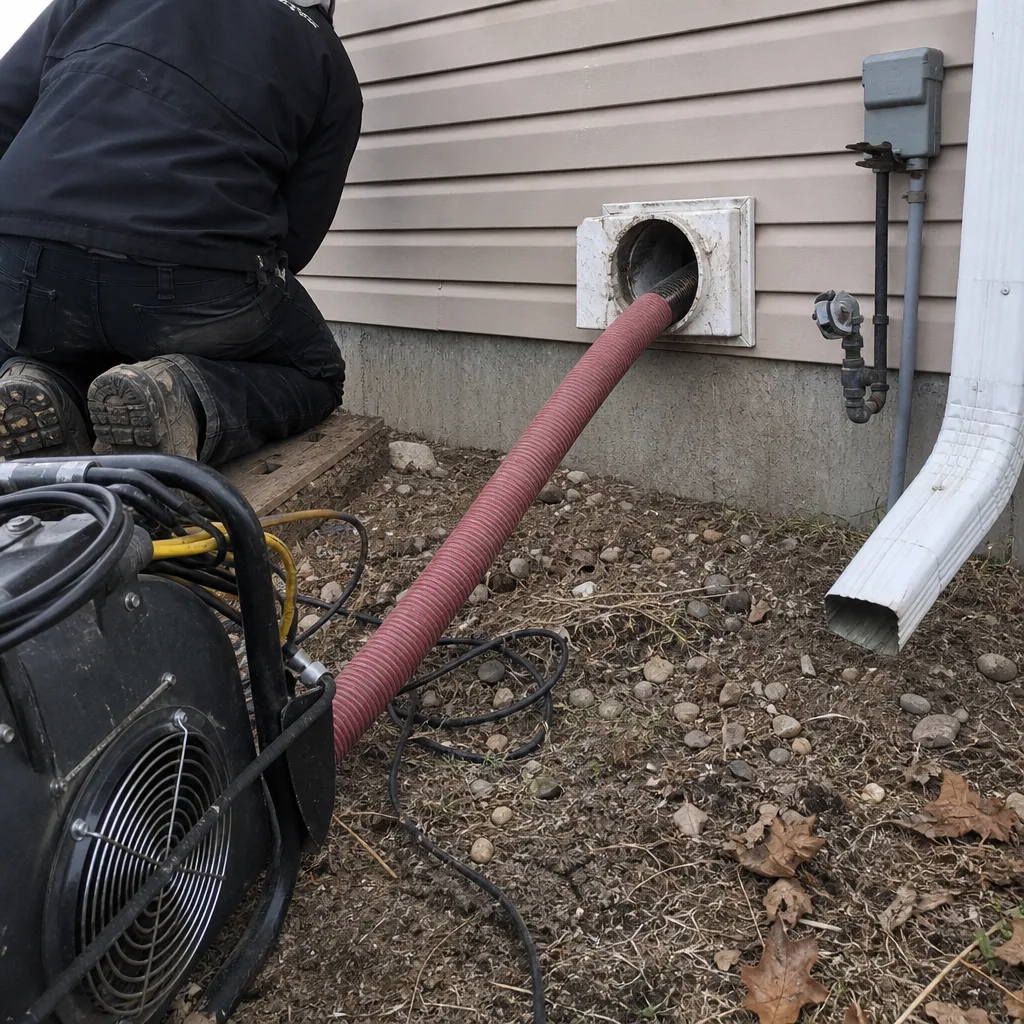 Before
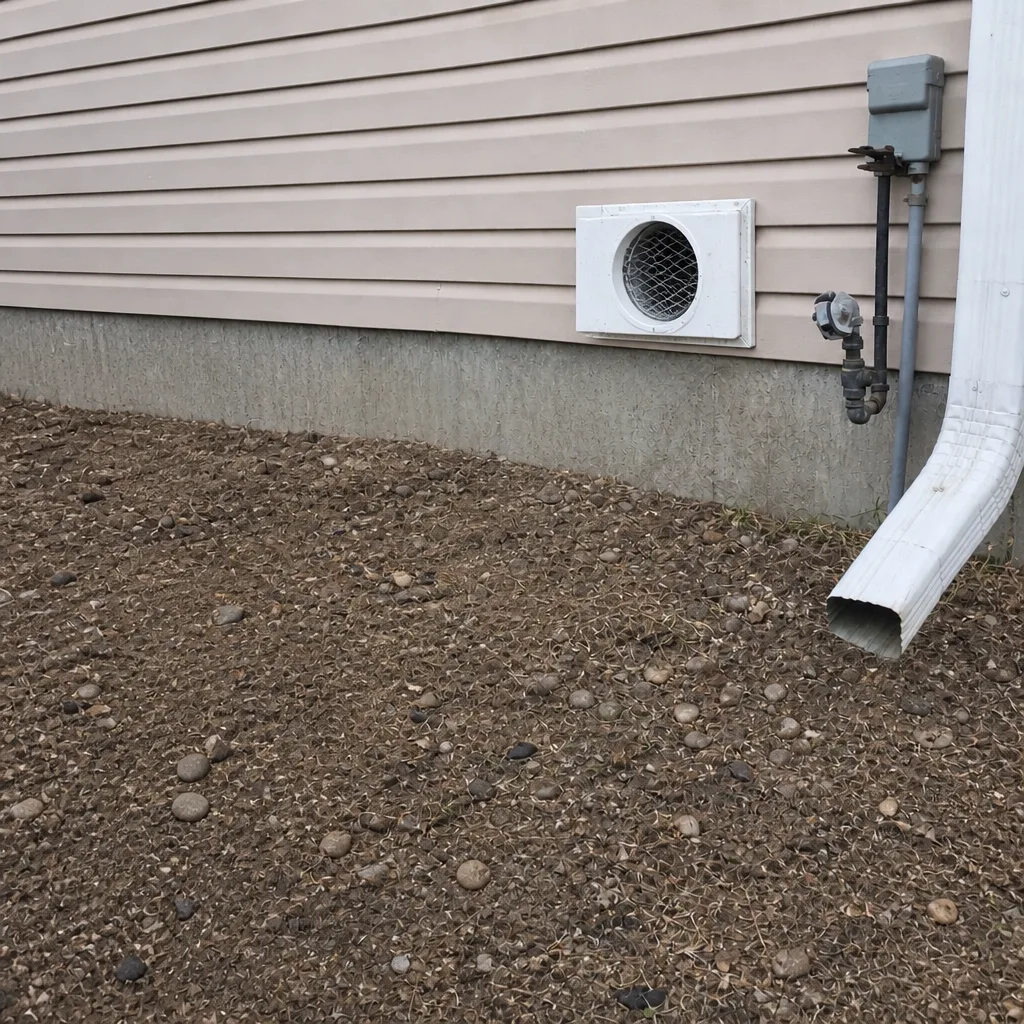 After
When to Call a Professional
Book a professional inspection if it’s been more than three years since your last cleaning, if filter loading rate has sped up noticeably, or if you’ve had a remodel, roof work, pest activity, or significant smoke exposure since the last clean. Persistent smells, dust puffing from registers, or allergy symptoms that worsen indoors are also good reasons to call. For American Fork homeowners, we recommend an honest assessment before any work is booked. Our American Fork Air Duct Cleaning team uses Rotobrush contact cleaning, Nikro HEPA extraction, and Abatement Technologies negative-pressure containment on every job, with one flat price per system agreed before work starts. Call (833) 918-6290 for a free estimate. We answer 24/7. Fast dispatch from 7am to 7pm, Sunday through Friday.
Frequently Asked Questions
Most Utah homes need cleaning every 3 to 5 years, and homes with pets, allergies, recent construction, or heavy wildfire-smoke exposure should be cleaned every 2 to 3 years. Utah’s inversion winters and construction dust load act like a stronger particulate environment than the national average, so we treat the shorter end of the range as the right baseline for most American Fork homes. Call (833) 918-6290 for an exact quote. Estimates are free.
Pricing is set per system by written estimate, not per vent, and the final price reflects the scope of the job, including the number of systems, accessibility, and whether repair, sealing, or sanitizing is needed. The written estimate is what you pay, agreed before work starts, and we show before-and-after photos of your own ducts when we’re done. Call (833) 918-6290 for an exact quote. Estimates are free.
Cheap quotes usually reflect a smaller scope: sometimes only the accessible duct runs, sometimes a quick surface clean without contact brushing, sealing, or sanitizing, and sometimes a teaser coupon price that grows once the technician is on site. Ask any contractor for a written estimate covering the whole system before work begins, and ask what equipment they’ll use. One flat price per system, set before work starts, is the honest way to compare. Call (833) 918-6290 for an exact quote. Estimates are free.
Before-and-after photos of your own ducts, taken during the job, are the simple answer. Also ask what equipment will be used. Rotobrush and Nikro contact cleaning and Abatement Technologies negative-pressure containment are professional-grade tools, and a contractor who can name what they’re using is a contractor who’ll show you the results. Call (833) 918-6290 for an exact quote. Estimates are free.
Filter changes are essential, but they can’t remove particulate that has already settled into duct lining and joints. Filters protect the equipment and the air supply; they don’t clean the ducts themselves. A good filter schedule keeps the interval between professional cleanings at the longer end of your tier, but it doesn’t replace the cleaning. Call (833) 918-6290 for an exact quote. Estimates are free.
Many do, because the combination of inversion-season particulate and summertime wildfire smoke creates two distinct particulate events a year that a national average doesn’t account for. Add construction dust from a fast-growing county, and the tier system we recommend for American Fork homes often lands in the every 2 to 3 year window. The right answer for your specific home comes from a professional inspection. Call (833) 918-6290 for an exact quote. Estimates are free.
The Bottom Line
A single cleaning interval isn’t a maintenance schedule; it’s an average. American Fork homes need a tiered calendar that accounts for pets, allergies, recent construction, wood-burning fireplaces, home age, and Utah’s inversion and wildfire-smoke seasons. Start with your tier, work the month-by-month checklist, track filter loading rate as an early warning, and run the post-smoke protocol after any significant air quality event. Keep the professional side on schedule with contact cleaning, sealing, and sanitizing. The result is a system that stays clean longer, runs more predictably, and gives you a real answer the next time someone hands you a refrigerator magnet with a number on it.
If you’d like a professional read on where your American Fork home stands, call (833) 918-6290 for a free estimate. We answer 24/7. Fast dispatch from 7am to 7pm, Sunday through Friday. Our technicians have up to 13 years of experience, and we’ll give you a written estimate before any work starts.
Written by the team at American Fork Air Duct Cleaning.