
Last updated November 24, 2026
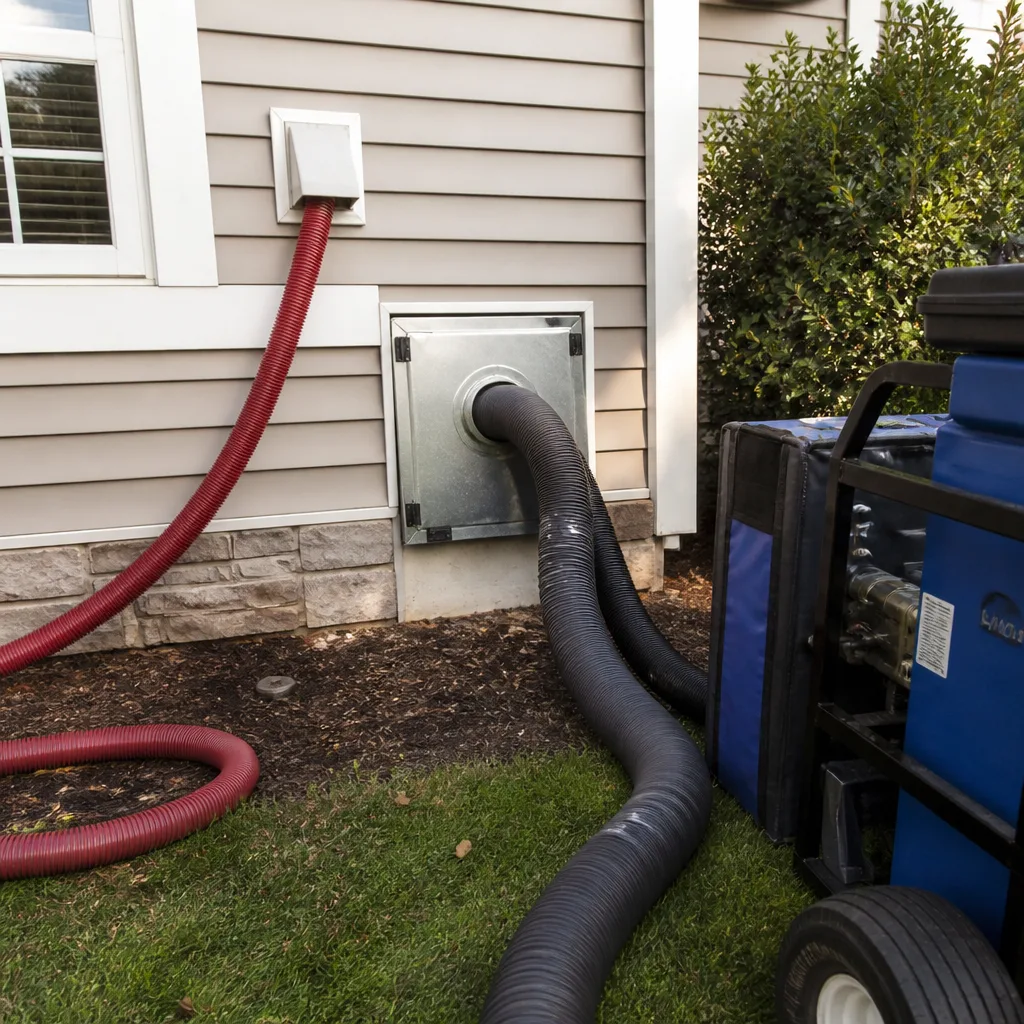 Whole-home duct cleaning
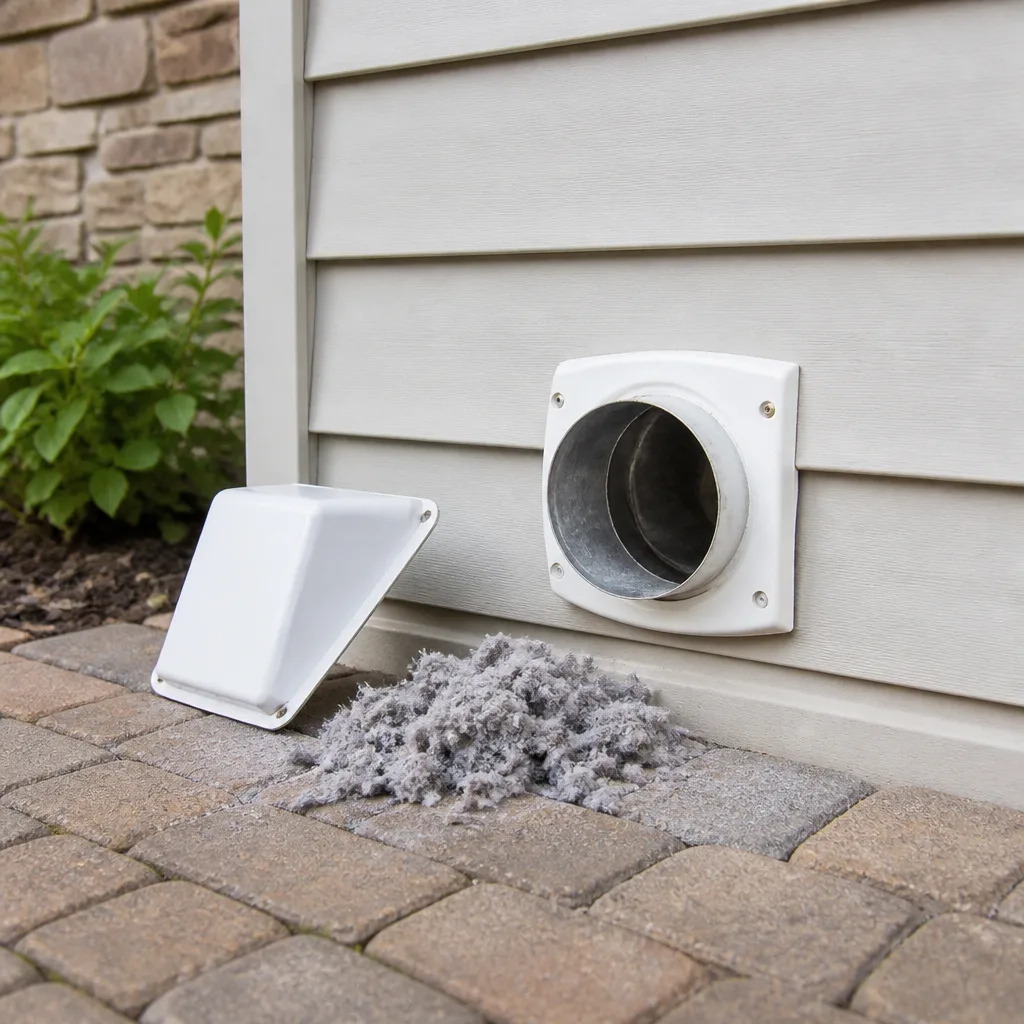 Dryer vent cleaning
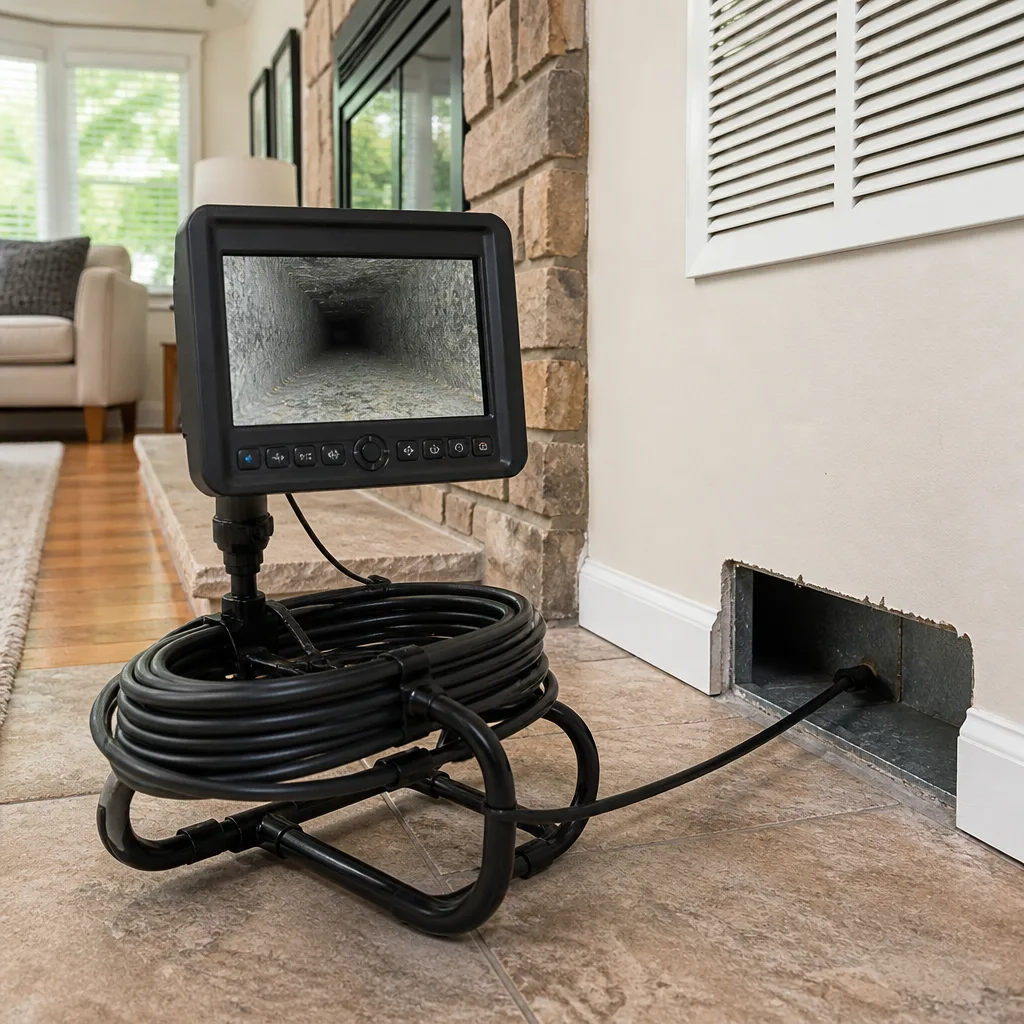 Camera inspection
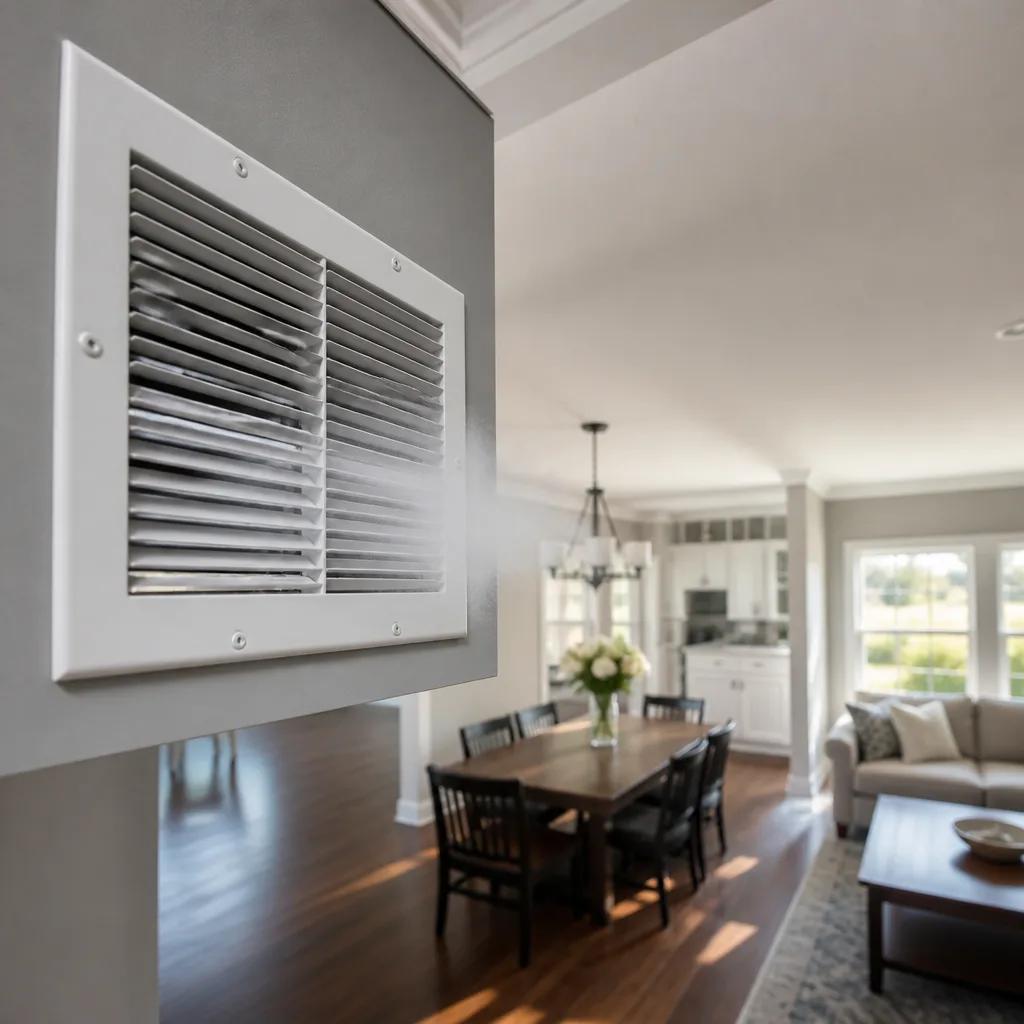 Sanitizing & deodorizing
Whole-system duct and dryer vent check with before-and-after photos - you see exactly what came out of your vents
That "$99 whole-house special" is a bait ad - the real number appears once they are in your hallway, or the "clean" is a shop-vac at the register. We photograph the inside of your ducts before and after instead.
Air Duct Cleaning Permits, Codes & Inspections in American Fork, UT: What You Need to Know
No one pulls a permit to vacuum a duct. But when a technician cuts into your trunk line to install a new access port, replaces a flex duct run, or applies a sanitizing encapsulant inside the system, the regulatory picture changes entirely. That line between routine maintenance and actual modification is where a lot of American Fork homeowners get surprised, sometimes years later at resale. In this guide we walk through what Utah County codes and American Fork City ordinances actually cover, when mold work inside ductwork requires a licensed contractor, how to verify a repair was done to mechanical code, what a home inspector will flag, and the paperwork you should demand before anyone says “you’re good to go.”
Quick Answer
Air duct cleaning itself does not require a permit in American Fork, UT because it is treated as maintenance, not construction. Duct repair, duct replacement, new access ports cut into the trunk line, and mold remediation inside ductwork can cross into permitted work or licensed-contractor territory under Utah County building codes and American Fork City ordinances. If the job involves cutting, extending, resealing with encapsulant, or treating microbial growth, ask for the contractor’s credentials and expect documentation.
Styles & brands we work with
- Whole-home duct cleaning
- Dryer vent cleaning
- Camera inspection
- Sanitizing & deodorizing
Table of Contents
- Where Maintenance Ends and Modification Begins
- Mold Remediation in Ducts: Licensing Rules That Matter
- How to Verify Duct Repair Meets Utah Mechanical Code
- What an American Fork Home Inspection Flags About Ductwork
- The Documentation a Code-Compliant Job Produces
- How a Professional Duct Job Actually Goes in American Fork
- Questions to Ask Before You Hire Anyone
Where Maintenance Ends and Modification Begins
Duct cleaning is classified as maintenance. That means you don’t need a permit to have the interior of an existing duct system cleaned with contact equipment and HEPA extraction. This is true across American Fork and the surrounding Utah County communities, and it’s the reason a straightforward air duct cleaning appointment can usually be scheduled without any paperwork beyond the invoice.
The confusion starts when the job involves more than cleaning. Cutting a new access hole, replacing a collapsed flex run, changing a duct’s diameter, adding or removing a branch, or rerouting a section all change the system’s physical configuration. Those are modifications, and modification is where permitting and inspection enter the conversation.
Here’s the general boundary as contractors and code officials treat it in this valley:
- Cleaning only, existing ducts, existing access points: maintenance, no permit.
- Sealing with mastic or approved tape at existing joints: usually maintenance, no permit, but the sealant and method matter.
- Cutting a new access port in the trunk line or a main branch: modification, likely to require a permit and inspection.
- Replacing or extending flex duct, rigid duct, or a boot: modification, permit required.
- Applying an EPA-registered antimicrobial encapsulant to interior duct surfaces: this is a treatment, not a cleaning, and the contractor performing it must be qualified to do remediation-grade work.
In American Fork specifically, the city’s building department is the authority to call before work begins. Ordinances can be updated, and inspection offices interpret scope based on the specific job. A call ahead costs you nothing and answers the permit question definitively. For a system that has never been cleaned, the modification question rarely comes up on day one. It surfaces when a technician opens the system and finds damage that has to be addressed to do the clean properly.
Mold Remediation in Ducts: Licensing Rules That Matter
Mold inside ductwork is common in northern Utah County. The climate here swings from dry midsummer heat to winter inversions that trap cold, humid air against the mountains. Air conditioners running hard in August pull moisture out of the return air, and if the coil pan isn’t draining right, that moisture settles in the plenum and the first few feet of supply plenum insulation. Add a leaky duct run in a crawlspace and you have a consistent moisture source that feeds microbial growth year-round.
Once mold is present, the job changes. Utah treats mold remediation as a distinct scope of work. A contractor performing remediation of significant microbial growth inside a home, especially in a confined HVAC system, is expected to hold the appropriate environmental contractor credentials and to follow a written protocol. What those credentials are exactly is set by the state licensing body and the county health department, and they change. The practical rule for an American Fork homeowner is simpler: ask, in writing, whether the contractor holds a mold remediation credential, and ask to see the protocol for the job.
Why this matters for you specifically. If a duct cleaning crew that does not hold remediation credentials performs mold work inside your system, the liability for that work falls on you as the homeowner. If the growth comes back, if a family member has a reaction, if the work is later flagged at resale, you’re the party who hired the uncovered contractor. A crew with the right credentials will hand you a scope of work, a containment plan, and post-remediation verification before anyone touches a hose. A crew without them typically offers a verbal assurance and a spray bottle.
This is the distinction we build our service around. Our American Fork Air Duct Cleaning team uses Rotobrush contact cleaning and Nikro HEPA extraction because those tools physically remove debris and contaminants rather than redistributing them. When sanitizing is called for, we use Guardsman-grade treatments applied only after the physical clean, and we recommend filtration or purification upgrades from Honeywell and Aprilaire where the system will support them. Diagnosis, repair, treatment. In that order.
How to Verify Duct Repair Meets Utah Mechanical Code
Duct repair done to code is not just patched and forgotten. Utah’s mechanical code sets requirements for duct material, insulation values, connection methods, and sealing, and those requirements exist to protect two things: your system’s efficiency and its safety. A sealed return in a furnace closet, for example, is a combustion air issue. A leaky supply duct in an unconditioned attic is an energy loss and a moisture pathway. Both matter.
When a duct repair is done on your system, here’s what the work should look like:
- Materials match the system. Flex duct used on a run should be rated for the application, with the correct inner liner and insulation R-value. Rigid duct should be sealed metal or duct board, not foil-faced tape over a gap.
- Connections are mechanical and sealed. Duct connections should use mechanical fasteners plus mastic or code-approved tape. Tape alone, especially fabric tape, is a fail at inspection.
- Takeoffs are supported. A branch takeoff should not sag or hang unsupported for more than a short run. Support straps at the correct intervals are part of the spec.
- Sealing is applied at every joint within reach, not just the obvious leaks. Sealed joints at the plenum, at each takeoff, and at the boot are what stop the air loss that shows up on your bill.
- New penetrations are framed and sealed correctly. If a new access port is cut, the cut should be clean, sized correctly, framed if the duct requires it, and closed with a gasketed access door, not taped foil.
- The system is tested after the repair. A static pressure check before and after tells you whether the repair actually reduced leakage. A contractor who does not test is guessing.
In our experience in American Fork, the most common code-adjacent mistake is a return-side repair made without restoring the seal around the air handler closet. That’s the kind of thing that a home inspector will catch and that a mechanical inspection will fail. If a repair was made under permit, you should be able to pull the inspection record through the city. If it wasn’t permitted, ask the contractor to walk you through the materials and methods used and document them.
What an American Fork Home Inspection Flags About Ductwork
Ductwork doesn’t usually fail an American Fork home inspection on sight. What it does is generate the long list of “further evaluation” notes that hold up closings and cost negotiations. Buyers and their agents have gotten sharper about HVAC systems over the last several years, and a duct system that has been neglected, patched, or sealed with the wrong materials will get flagged.
These are the issues we see come up most often in American Fork homes, especially in neighborhoods with older construction like the streets off Main Street and around the older sections of town:
- Visible debris in accessible ducts or at the plenum. Inspectors don’t scope duct interiors, but they will note heavy dust and debris at the return grille and around the blower.
- Disconnected or collapsed flex runs in the attic or crawlspace. A dropped flex run in a crawlspace is one of the most common findings, and it signals that the system may not be delivering air where it should.
- Unsealed joints at the air handler and supply plenum. Easy to spot, common to find, and it reads as deferred maintenance on the report.
- Rust or standing moisture at the coil pan or plenum. A moisture finding is a microbial-growth red flag, and buyers treat it seriously.
- Dryer vent termination problems. A dryer vent that terminates into the attic or crawlspace, uses a long flex run, or is clogged with lint is a safety item, and inspectors will note it.
What turns these from a negotiating weapon into a seller’s asset is documentation. A professional clean that produces before-and-after photos of the interior of the ducts and the plenum, combined with a repair and sealing record, is exactly what a buyer’s inspector wants to see. It shows the system has been maintained, not just lived with. For the full system scope, including the heating and cooling equipment itself, HVAC cleaning rounds out what a buyer will be told about.
The Documentation a Code-Compliant Job Produces
Verbal reassurance is not documentation. A code-compliant duct job produces paper and images, and the difference between a professional contractor and a blow-and-go crew is usually visible the moment you ask for the file.
Here is what you should walk away with after any duct repair, sealing, or remediation work:
- A written scope of work before the job starts. It should name what is being cleaned, what is being repaired, what is being sealed, and what is being sanitized. If the scope changes mid-job, a written change order, not a handshake.
- Pre-clean photos of the inside of at least the trunk and one representative supply run. These are the “before.” Without them, the “after” photos mean nothing.
- Post-clean photos of the same locations. Side-by-side comparison is the only way for a homeowner to know the work was actually done.
- A materials list for any duct repair. Flex duct spec, mastic and tape used, R-value of insulation installed. If the repair was under permit, the permit number and inspection sign-off should be attached.
- An antimicrobial product record if sanitizing was performed. The product name, EPA registration number, dilution, and application method. Guardsman-grade treatments should show up here.
- A report of system condition. Static pressure readings, any duct leakage found, any components that should be repaired but were not in scope, and any recommendations for filtration or purification upgrades. If your system would benefit from a Honeywell or Aprilaire filter or air purifier installation, this is where it’s documented.
- An invoice that matches the scope. Same items, same quantities. Nothing added on after the fact.
If you didn’t get this paperwork, ask for it. A contractor who can’t produce it either didn’t do the work described or doesn’t run a documented operation. In either case, you now know something you didn’t before the job started.
How a Professional Duct Job Actually Goes in American Fork
A full-scope duct job is more than a vacuum at the grille. The process in an American Fork home, whether it’s a newer build on the east bench or a mid-century house closer to downtown, follows the same general sequence. Clean, seal, treat.
Step 1: Diagnosis
Before anything gets cleaned, we scope the system. That means identifying the layout, checking the blower and coil, measuring static pressure, and looking for disconnected runs, damaged boots, and any sign of moisture or microbial growth. If we find a problem that needs repair, we bring it to you before the clean so the repair can be scoped properly. On the older homes in American Fork, this step frequently surfaces collapsed flex runs in the crawlspace and unsealed plenum joints that have been leaking conditioned air for years.
Step 2: Contact Cleaning With Containment
The system is put under negative pressure using Abatement Technologies equipment. That containment is what prevents dislodged debris from re-entering your living space during cleaning. Rotobrush contact cleaning handles the duct interior, sweeping the walls of each run, and Nikro HEPA extraction pulls the loosened material into a sealed collection. Every vent and every supply and return gets attention. This is the phase most homeowners picture when they think of air duct cleaning, and it’s the phase that matters most for what’s circulating in your home.
Step 3: Repair and Sealing
Disconnected runs get reconnected and supported. Failed boots get replaced. Plenum joints and takeoffs get sealed with mastic or code-approved tape. If a run needs replacement, the new duct is sized correctly and sealed at both ends. This is the phase that fixes the root cause of air loss and contamination rather than removing surface debris from a system that will just recontaminate.
Step 4: Sanitizing and IAQ
Once the physical clean is done, a Guardsman-grade sanitizing treatment inhibits microbial regrowth on the interior surfaces. We only treat after the clean, never instead of it. If the home would benefit from filtration or a purification component, we recommend specific Honeywell or Aprilaire products that match the system. We don’t install general HVAC equipment, but the ductwork, filtration, and air quality side of the system is what we do.
Step 5: Documentation and Dryer Vent
Before-and-after photos, static pressure readings, materials list, and the final report. If the home also has a dryer vent that hasn’t been cleaned, this is the same visit for dryer vent cleaning. American Fork’s dryer vent runs in older homes are often longer than they should be and terminate through the roof, which makes lint accumulation a real fire-risk issue. It’s a safety scope many air duct cleaners don’t handle, and it’s worth asking about on the same call.
Questions to Ask Before You Hire Anyone
Before you schedule a duct job that involves anything beyond cleaning, run through these questions. The answers tell you whether the contractor can handle the code and licensing side of the work.
- Is the work you’re proposing cleaning, modification, or remediation? If they can’t answer this clearly, they don’t know the difference, and the line is the whole point.
- If we need a permit, will you pull it? A contractor who does permitted work routinely will say yes without blinking. A contractor who doesn’t will say the permit isn’t necessary.
- Do you hold the credentials required to perform mold remediation in Utah? Ask for it in writing, and ask what verification you’ll receive when the work is done.
- What equipment will you use on the system, and will the work area be under containment? Abatement Technologies negative-pressure equipment, Rotobrush contact cleaning, and Nikro HEPA extraction are the answer you want. A shop vac and a brush kit is not.
- What documentation will I get when the job closes? If it’s a “we’ll email you a receipt,” keep looking.
- Do you test the system after repair? Static pressure readings before and after, and a duct leakage assessment if the repair was significant.
Our technicians have up to 13 years of experience with these systems. In our experience, the questions above are the ones a homeowner wishes they’d asked before the second call, not after.
Common Mistakes to Avoid
- Assuming no permit is needed because the duct scope sounds simple. Cleaning doesn’t need a permit; cutting into a trunk line does. Ask the contractor which category the specific work falls into before you book.
- Hiring a mold job out to a crew without remediation credentials. In Utah, that puts the liability for the work on you. Ask in writing, ask for the protocol, and confirm before work begins.
- Accepting “we sealed it” without documentation of materials. Mastic versus fabric tape is the difference between a code-compliant seal and a temporary fix that fails within a season.
- Skipping the pre-clean photos. Without them, the post-clean photos prove nothing and you have no record of what the system looked like before the crew opened it. Ask for photos before any work begins.
- Letting an attic flex run disconnect go unaddressed while the ducts get cleaned. American Fork homes with attic and crawlspace runs frequently have this issue. Cleaning a system with a disconnected supply means you paid to clean half the system.
- Overlooking the dryer vent on the same visit. Many duct cleaners skip dryer vent work entirely. Long attic and roof runs common to American Fork homes are exactly where lint accumulates and creates a real fire risk.
- Treating sanitizing as a substitute for the physical clean. A spray applied over debris doesn’t remove the debris or the food source for microbial regrowth. Clean first, then treat, then document.
See the difference
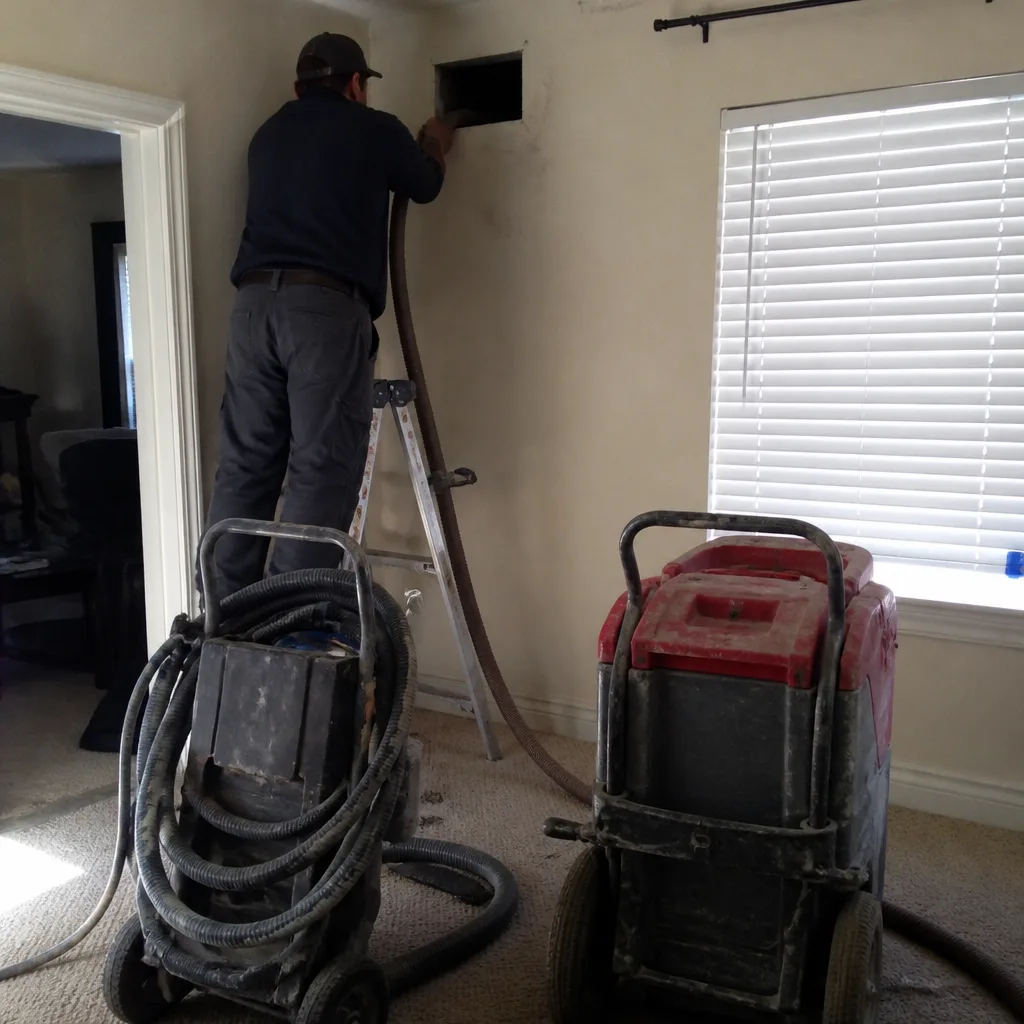 Before
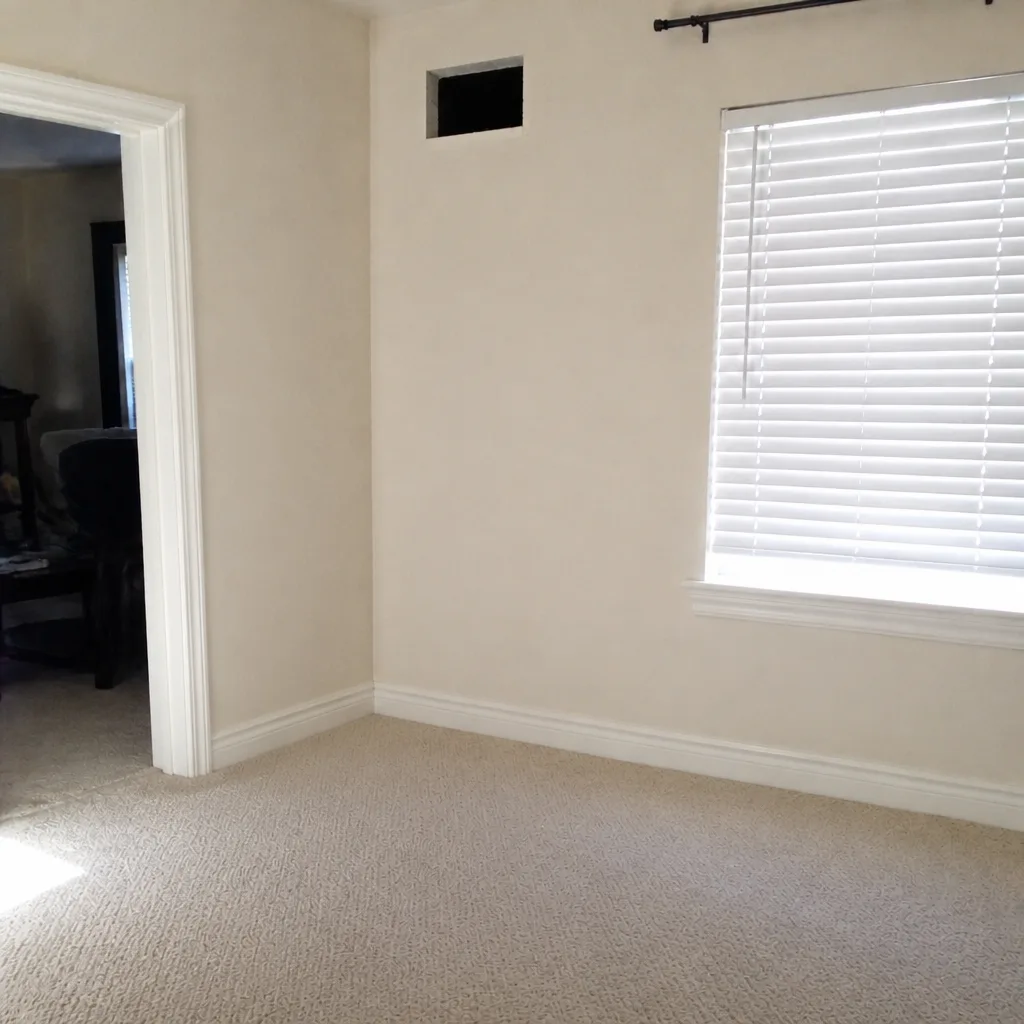 After
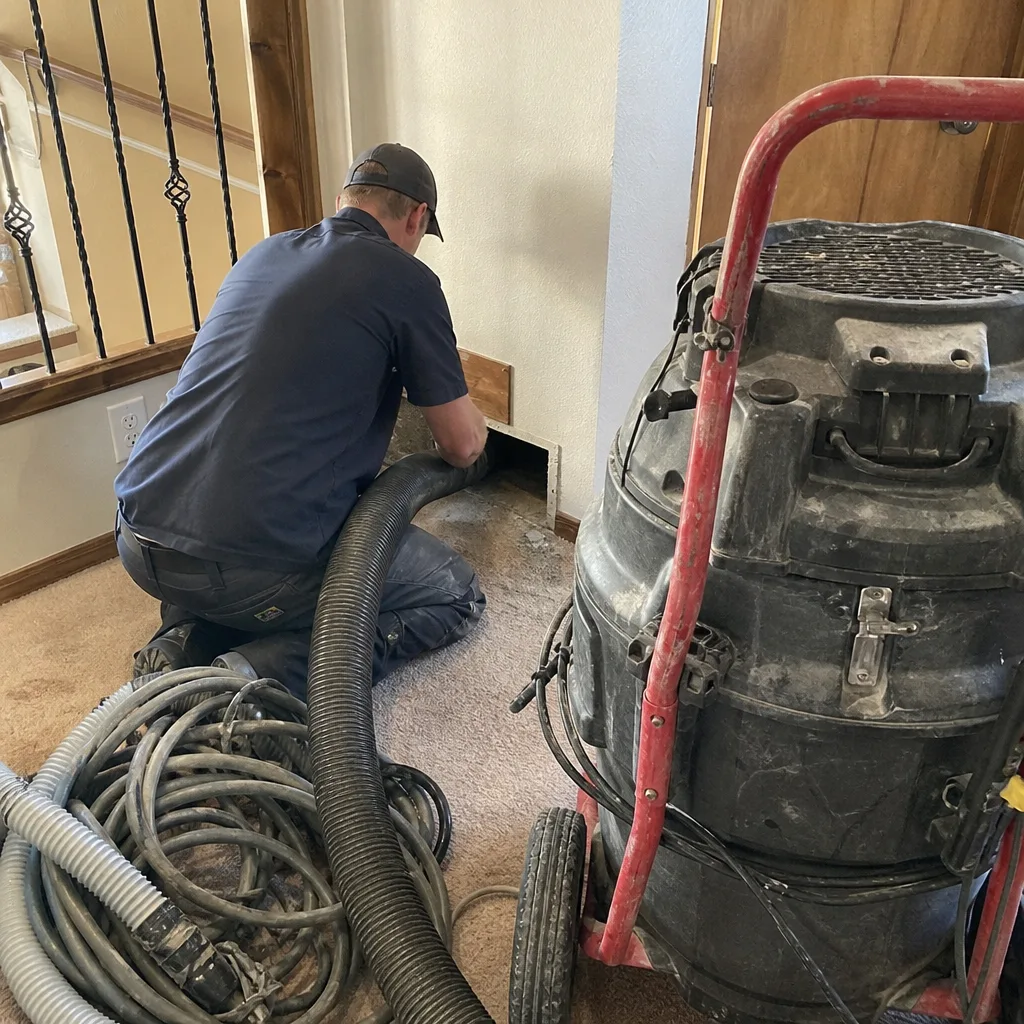 Before
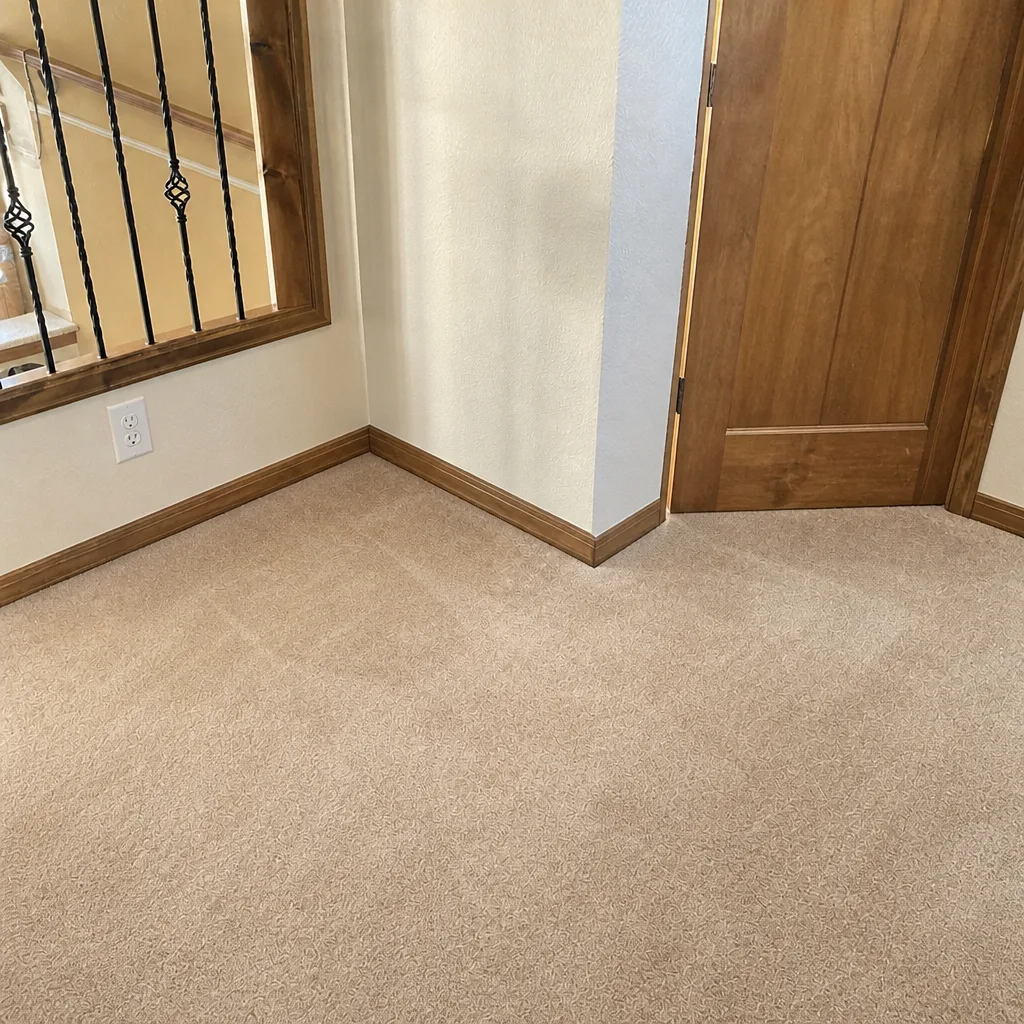 After
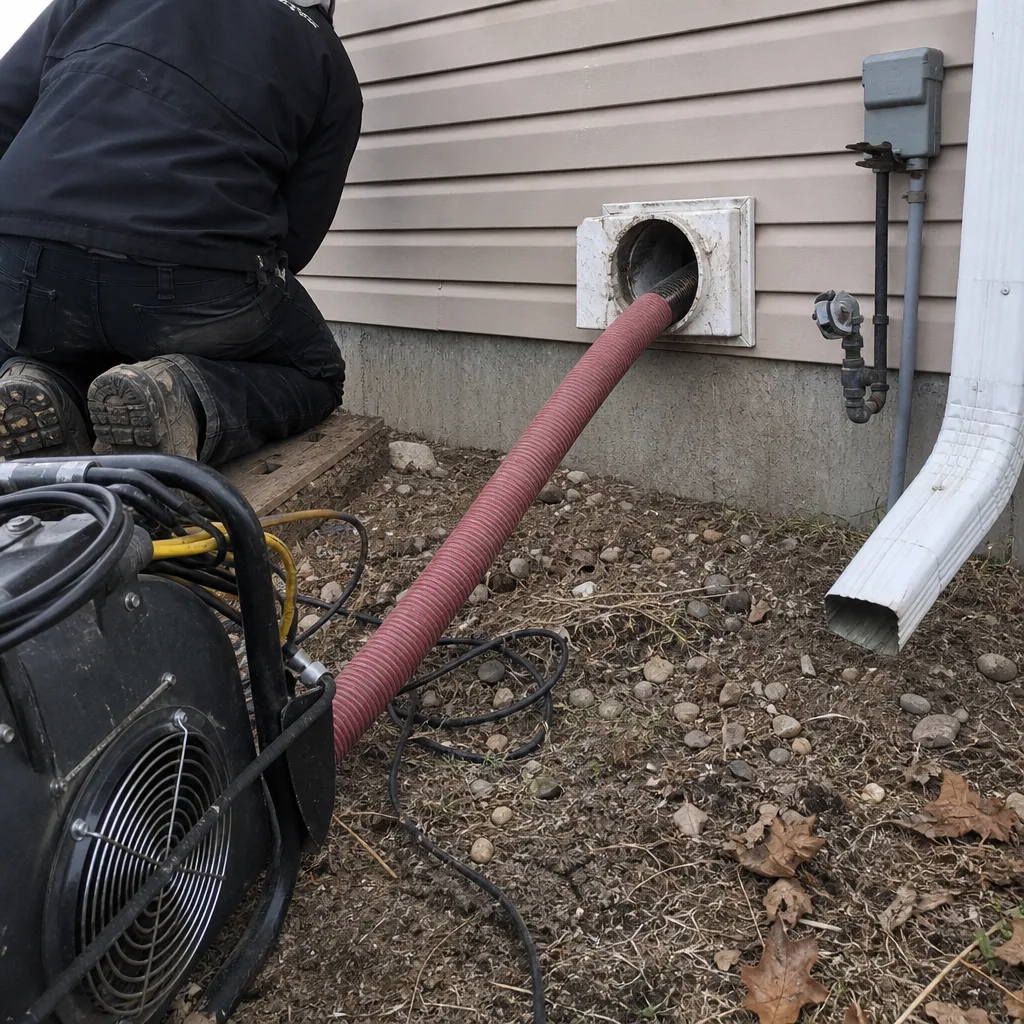 Before
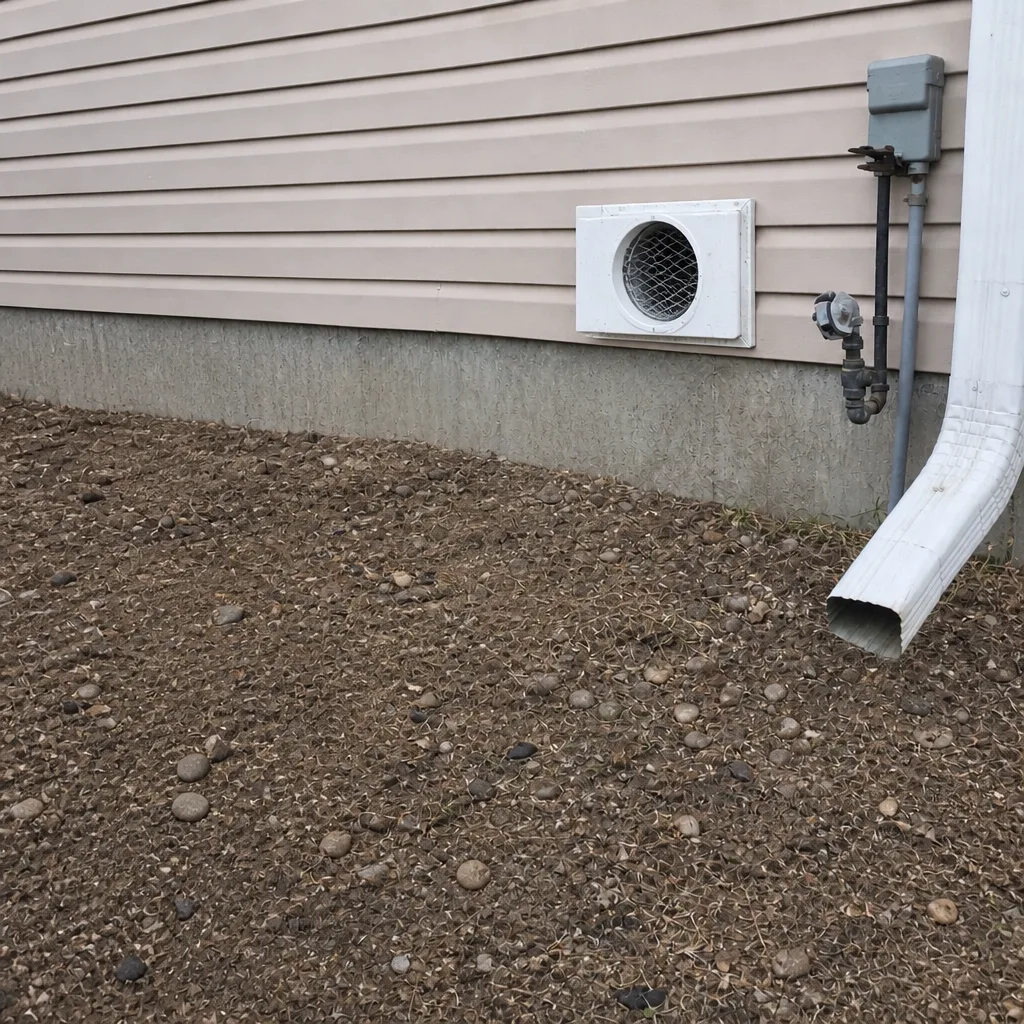 After
When to Call a Professional
Call before you have a duct problem, if possible. If you’re seeing visible debris at the supply grilles or the return, if the house has a persistent musty smell when the system runs, if you’ve recently finished a renovation, or if someone in the household is dealing with allergies or asthma symptoms that track with HVAC use, it’s time for a diagnostic visit. So is a pending sale where an inspector has flagged the system. And call immediately if a duct repair has been done and you don’t have documentation, if you’re being told by one contractor that mold work is needed and by another that no permit is involved, or if your system has visible disconnected runs in the attic or crawlspace. American Fork Air Duct Cleaning offers free estimates in American Fork. Call (833) 918-6290. We answer 24/7. Fast dispatch from 7am to 7pm, Sunday through Friday.
Frequently Asked Questions
No. Air duct cleaning alone does not require a permit in American Fork or anywhere in Utah County because it’s classified as maintenance, not construction. Duct repair, replacement, or new access ports cut into the trunk line can cross into permit territory. If the scope of work involves cutting, extending, or replacing duct material, call the American Fork City building department to confirm what’s required.
Duct repair requires a permit when the work changes the system’s physical configuration, meaning cutting new access ports, extending or rerouting runs, replacing sections of duct, or adding or removing branches. Sealing existing joints with mastic or approved tape usually falls under maintenance. The safest answer is always the same: call American Fork’s building department with the specific scope before work begins.
Yes, remediation of significant microbial growth in a home, including inside ductwork, is a distinct scope of work in Utah and the contractor performing it should hold the appropriate environmental contractor credentials. A duct cleaning crew without those credentials doing mold work inside your system shifts the liability for that work onto you. Ask for the credential in writing and ask for the remediation protocol before scheduling.
You should receive a written scope of work, pre-clean and post-clean photos of the duct interior, the materials list for any repair including duct spec and sealing method, an antimicrobial product record if sanitizing was performed, static pressure readings, and a written system condition report. If a permit was required, you should also receive the permit number and inspection sign-off.
They can. Inspectors who work in American Fork routinely flag visible debris at grilles and the plenum, disconnected or collapsed flex runs in the attic or crawlspace, unsealed joints at the air handler, moisture or rust at the coil pan, and dryer vent termination problems. A documented professional clean with before-and-after photos and a repair record turns those findings from a negotiating weapon into a seller’s asset.
Ask for before-and-after photos of the interior of the duct system, static pressure readings before and after the clean, and a materials list for any repair or sealing work. A professional job under negative containment produces all three. A blow-and-go job produces a verbal “you’re good to go,” and nothing on paper. Call (833) 918-6290 for a free estimate and we’ll walk through the documentation process before we schedule.
The Bottom Line
Air duct cleaning itself is maintenance and doesn’t require a permit in American Fork. The work that often accompanies it, including duct repair, sealing, new access ports, and mold remediation, does cross into permitted or licensed territory, and that’s the line most homeowners don’t know exists until they’re dealing with a surprise at resale or a failed inspection. Verify the contractor’s credentials before the job, ask for the permit when a permit is required, and demand documentation of what was actually done. Clean, sealed, treated ducts with a paper trail are worth far more to a homeowner than a verbal assurance, and in American Fork, that paper trail is what your buyer’s inspector wants to see.
Written by the team at American Fork Air Duct Cleaning.