
Last updated November 24, 2026
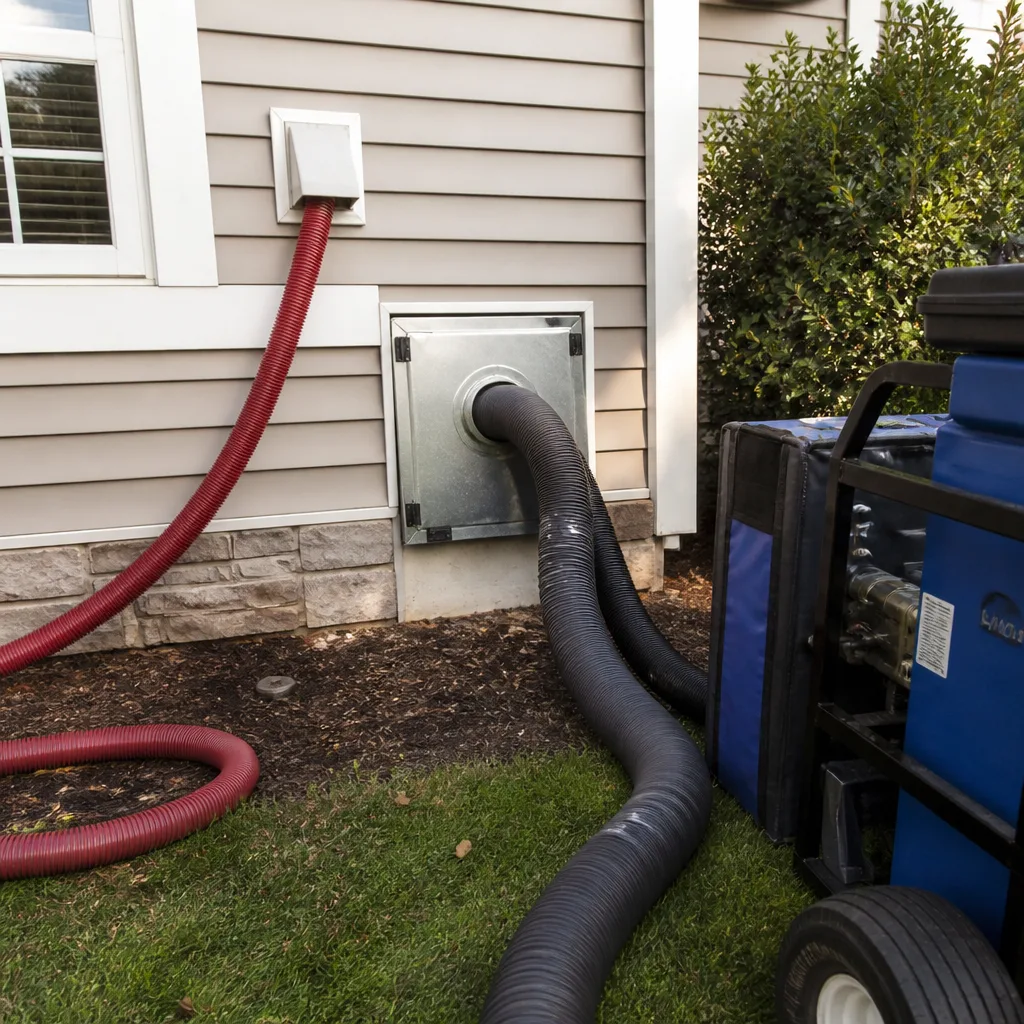 Whole-home duct cleaning
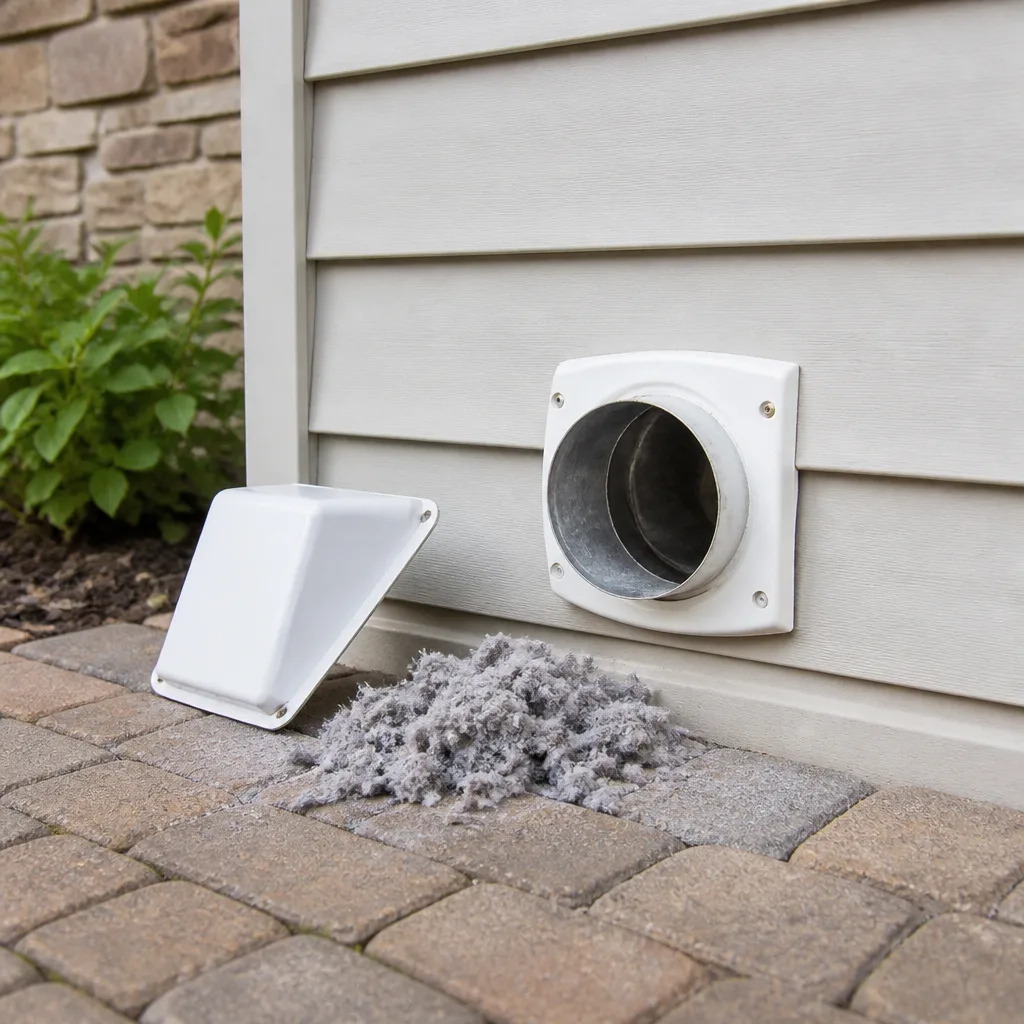 Dryer vent cleaning
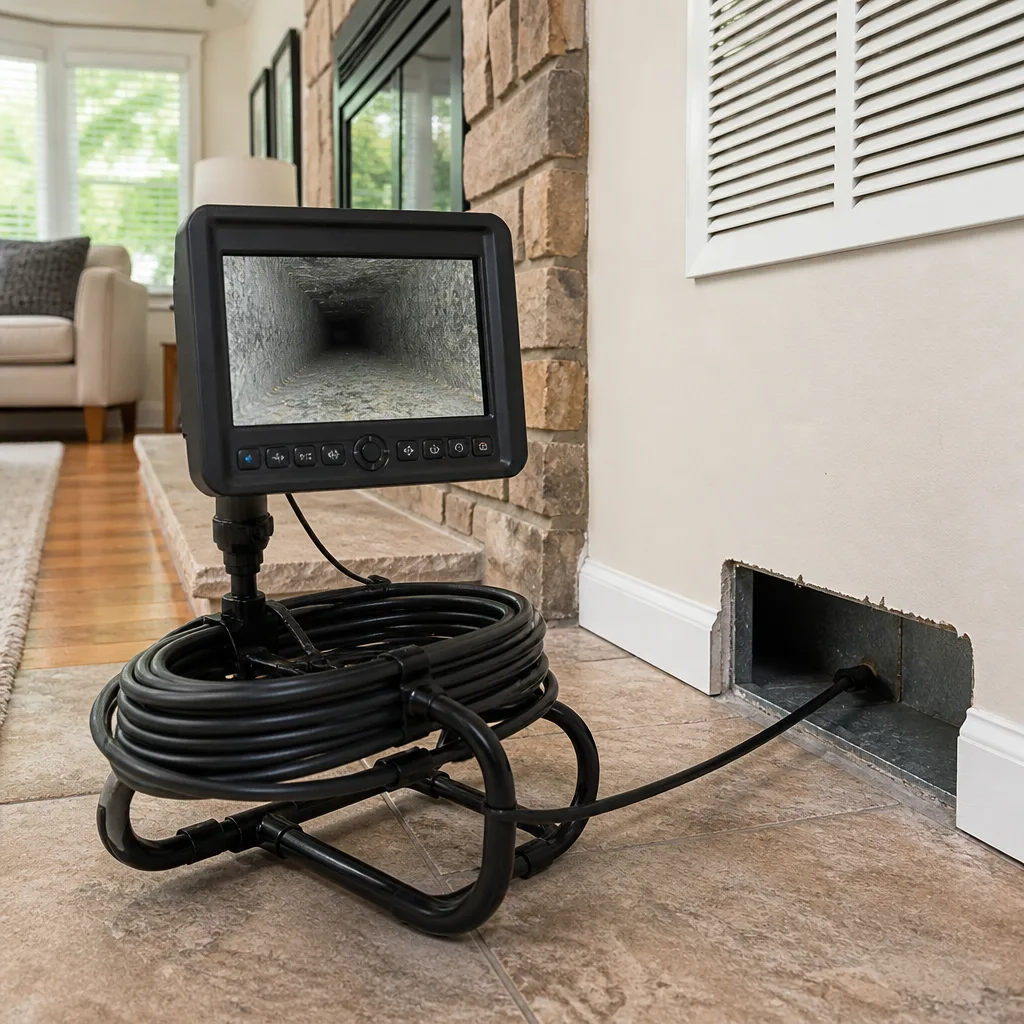 Camera inspection
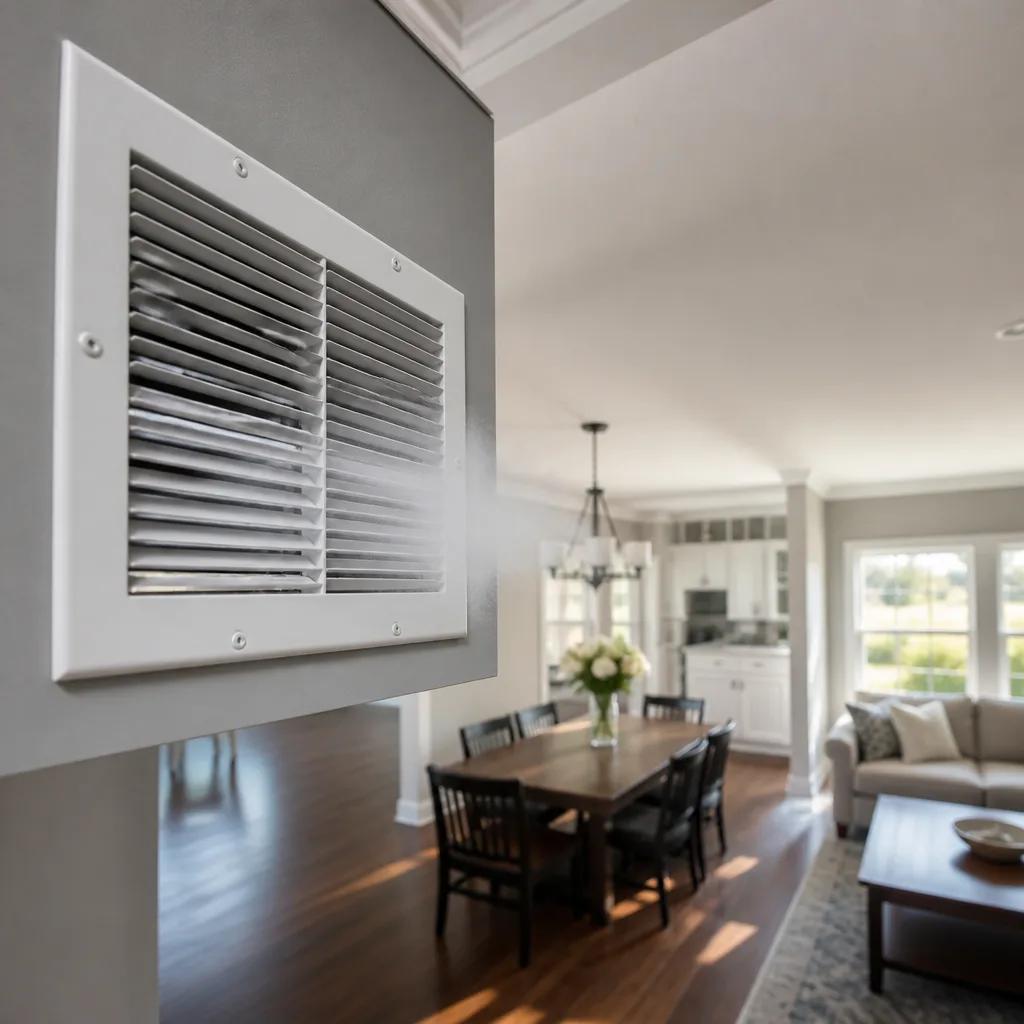 Sanitizing & deodorizing
Whole-system duct and dryer vent check with before-and-after photos - you see exactly what came out of your vents
That "$99 whole-house special" is a bait ad - the real number appears once they are in your hallway, or the "clean" is a shop-vac at the register. We photograph the inside of your ducts before and after instead.
Air Duct Cleaning Troubleshooting in American Fork: Common Problems and How to Fix Them
If a technician shows up, runs a vacuum, and declares your ducts done without first tracing where the airflow problem starts, they’ve cleaned a symptom and left the problem intact. That’s the quiet flaw in most duct cleaning work: the machine runs, the bucket fills, and nothing about your cold upstairs bedroom or your morning sneezing changes. The reason is that most duct complaints aren’t dirt complaints. They’re pressure, leakage, or contamination problems wearing a dirty-duct costume. This guide maps the symptoms American Fork homeowners describe to the mechanical causes behind them, so you know what you’re actually dealing with before anyone touches your system.
Quick Answer
In American Fork, most duct problems fall into three buckets: airflow problems caused by leaks, collapsed flex duct, or a dirty blower; odor problems caused by moisture, microbial growth, or a filtration failure; and allergy problems caused by a duct breach pulling attic or crawlspace air into the system. A proper diagnosis uses static pressure readings and room-by-room airflow checks before any cleaning begins, because a dirty-duct problem and a duct-design problem need completely different fixes.
Styles & brands we work with
- Whole-home duct cleaning
- Dryer vent cleaning
- Camera inspection
- Sanitizing & deodorizing
Table of Contents
- Symptom-to-Cause Map: What Your Ducts Are Telling You
- Dirty Ducts vs. Leaking Ducts: How to Tell Them Apart
- What Each Duct Odor Actually Points To
- Why Some Rooms in American Fork Never Get Warm or Cool
- Allergy Flare-Ups: Filtration, Breach, or Contamination?
- What You Can Fix Yourself and What Needs Negative-Pressure Extraction
- How a Real Duct Diagnosis Should Go, Step by Step
- Duct Repair and Sealing: Fixing the Cause, Not the Symptom
Symptom-to-Cause Map: What Your Ducts Are Telling You
Start with the symptom, not the service. Homeowners often call asking for a cleaning when what they actually need is a diagnosis. A duct system has three distinct failure modes, and each one produces a different set of clues. Before you book anything, write down what you’re noticing: which rooms are affected, whether the problem shows up on heating or cooling or both, when it started, and whether anything changed in the house (a remodel, a new filter brand, a new furnace). That five-minute list will cut the diagnostic time in half.
Here’s the map we use when we evaluate a system in American Fork:
- Uneven temperatures, weak airflow at far registers, whistling vents – usually a pressure or design problem. Leaky ducts, disconnected trunk lines, collapsed flex runs, or an undersized return.
- Musty smell that gets stronger when the system first kicks on – usually moisture and microbial growth inside the duct lining or on the evaporator coil.
- Burning or hot-plastic smell – usually a mechanical or electrical issue at the air handler, not a duct dirt issue. Shut the system off and have it looked at.
- Chemical or solvent smell – often off-gassing from a recent renovation, new flooring, or stored products, drawn into the return.
- Dust settling on surfaces days after cleaning the house – usually filtration failure or a leak on the return side pulling unfiltered air.
- Allergy symptoms that flare indoors and calm outdoors – points to a contamination problem or a duct breach pulling attic or crawlspace air into the living space.
- Rising energy bills with no equipment change – often duct leakage. The system runs longer because conditioned air is escaping before it reaches the room.
Notice how many of these point away from dirt. In our experience, a full third of the calls describing “dirty ducts” in American Fork turn out to be a leakage or design problem that cleaning alone would not fix. That’s why we don’t just clean. We diagnose, repair, and treat.
Dirty Ducts vs. Leaking Ducts: How to Tell Them Apart
The single most useful test for a duct system is static pressure. A technician drills a small test port near the air handler and measures the pressure the blower has to overcome. A clean, correctly sized system sits in a predictable range. When total static pressure runs high, the blower is fighting resistance, and the fix is often a restricted filter, an undersized return, or a collapsed or kinked run, not a cleaning. When the pressure differential between supply and return is low but the house still doesn’t heat or cool well, you’re almost certainly looking at leakage.
Pair that with a room-by-room airflow check. A handheld anemometer at each register gives you actual cubic feet per minute. If a bedroom upstairs reads far lower than a bedroom on the main floor, and the duct run feeding it is a long flex line through a hot attic, you’ve found your problem without opening a single vent.
Here’s the practical distinction:
- Dirty ducts – debris, dust, and biological growth accumulate on duct interiors and get pushed into the living space. Cleaning is the fix. Contamination is the cause.
- Leaking ducts – air escapes before it reaches the room, or unfiltered air gets pulled in. Sealing and repair are the fix. Cleaning does nothing for this.
- Restricted ducts – a crushed or disconnected run chokes off airflow to a zone. Reconnecting or rerouting is the fix.
- Both at once – the most common situation. A leak on the return side pulls attic dust into the system for years, which then coats the entire duct interior. You need repair and sealing first, then cleaning and sanitizing.
This is why the order of operations matters in American Fork. Cleaning a leaking system before sealing it just re-coats clean ductwork with attic air. We repair and seal first when that’s what the diagnosis calls for, then run contact cleaning with Rotobrush, then treat the surfaces. Clean ducts, sealed ducts, treated ducts.
What Each Duct Odor Actually Points To
Odor is the most underrated diagnostic clue in ductwork, because different smells point to entirely different problems and require entirely different equipment. A cleaning crew who shows up with one vacuum and no ability to separate an odor category is going to miss the underlying cause.
Musty or earthy smell
This is moisture and microbial growth. In American Fork, the usual culprits are a wet evaporator coil pan, a duct run that passes through a damp crawlspace, or condensation on an uninsulated section of duct. Cleaning alone won’t last. Address the moisture source, then run contact cleaning to remove the growth, then apply a Guardsman-grade sanitizing treatment to inhibit regrowth. If the growth is deep in the coil or the plenum, HVAC cleaning may be needed as well. Our HVAC cleaning service covers the air handler side of that job.
Burning or hot-plastic smell
Stop the system and call. This is not a duct cleaning problem; it’s typically a blower motor, wiring, or overheating component at the air handler. Our scope is duct and air-path cleaning, not HVAC repair. Get the mechanical issue diagnosed and fixed first.
Chemical or new-paint smell that lingers
Usually off-gassing from recent renovation, new flooring, or stored solvents pulled into the return. A cleaning won’t fix it because the source is in the air. What helps is running the system on fan with windows open, and adding a carbon or media filtration stage at the return. We recommend and install Honeywell and Aprilaire filtration products for exactly this scenario.
Sour, gym-bag smell that appears only when cooling runs
A wet evaporator coil or a dirty condensate pan. This is a coil and cabinet problem more than a duct problem. It’s an indoor air quality issue that cleaning the ducts alone won’t solve.
Why Some Rooms in American Fork Never Get Warm or Cool
A cold bedroom above the garage and a hot west-facing room in summer are the two most common comfort complaints we hear in American Fork. Homeowners usually assume the ducts are dirty and a cleaning will fix it. Most of the time, it won’t, because the problem isn’t dust, it’s an airflow path that either doesn’t exist or is broken.
Here’s where uneven temperatures usually trace to:
- Collapsed or kinked flex duct. The most common single cause. Flex duct installed through a tight attic run, over a joist, or around a corner can crush and lose most of its cross-section. The run is still attached, so nothing looks wrong, but airflow at the register is a fraction of what it should be.
- Disconnected trunk line or boot. A joint comes loose and conditioned air dumps into the attic instead of the room. The register still has some flow from back pressure, which is why this is easy to miss.
- Long runs through a hot attic. Even a properly connected flex run in a summer attic loses cooling to heat gain if the insulation is compromised. The air arrives lukewarm.
- Undersized return. A system with one return trying to feed too many closed bedroom doors starves the blower. The result is weak supply airflow across the whole house, not just one room.
- Manual damper left closed. Older American Fork homes sometimes had balancing dampers installed in trunk lines that got closed and never reopened. Worth checking before you pay for anything.
Diagnosing this properly starts with the room-by-room airflow check and static pressure reading described earlier, then a visual inspection of the duct runs serving the problem rooms. Repair and sealing is often the fix. A register cleaning won’t fix a crushed flex line, no matter how many times you do it.
Allergy Flare-Ups: Filtration, Breach, or Contamination?
If your allergies are worse indoors than outdoors, the problem is either your filter, a duct breach, or contamination inside the ducts themselves. These three are easy to confuse because the symptoms look identical, but the fix and cost are very different.
Filtration failure
The filter is the cheapest thing to check. A filter that’s too restrictive starves the system and can actually push the blower past its rated pressure. A filter that’s too loose (MERV 4 and below) lets most fine particulate through. A filter that hasn’t been changed pushes what it caught back into the airstream. If the filter looks grey when you hold it to the light after a few weeks, it’s overdue. Upgrading to a properly matched media cabinet (Aprilaire and Honeywell are the two we install and recommend) resolves a lot of allergy complaints without touching the ducts.
Duct breach pulling attic or crawlspace air
This is the one homeowners miss. A return-side leak anywhere between the air handler and the register pulls unfiltered air from wherever the duct passes through. In American Fork, that’s usually a hot, dusty attic or a crawlspace with blown insulation. The system is literally pumping attic air into your bedrooms, allergy symptoms included. Static pressure testing plus a visual pass over the duct joints will find this. Sealing the breach is the fix; cleaning alone won’t help if the breach is still open.
Contamination inside the duct system
Persistent biological growth, a wet coil, or a decade of dust coating the duct lining. This is where a professional clean with negative-pressure containment and post-clean sanitizing earns its keep. Abatement Technologies equipment maintains negative pressure so dislodged debris goes into the collection system, not into your living room. That’s the difference between a cleaning and a recontamination.
If you’re not sure which of the three you’re dealing with, start with the free-est test: change the filter, note the date, and see if symptoms change within a couple of weeks. If they don’t, it’s time for a professional diagnosis.
What You Can Fix Yourself and What Needs Negative-Pressure Extraction
We’d rather you handle the small stuff yourself than pay for a service call you don’t need. Here’s the honest split.
Handle these yourself
- Filter replacement. Monthly to quarterly, depending on the filter and how dusty American Fork’s spring winds are that year. Check the date on the filter and never run the system without one.
- Register and return grille cleaning. Vacuum the face, wipe the slats, remove obvious pet hair. This helps airflow at the register and stops the “the ducts must be dirty” spiral.
- Duct joint visual check. Look at any exposed duct in the basement or garage for disconnected joints. Don’t try to seal a joint hiding inside a crawlspace or attic.
- Confirming supply vents are open. Sounds obvious. It happens.
- Air filter and door draft checks. If the return filter slot whistles or you can see daylight, you’ve got a leak at the cabinet door. A gasket may fix it.
Call a professional for these
- Anything inside a duct run. Contact cleaning with a Rotobrush system, followed by HEPA extraction, is a different class of machine from a shop vac. A shop vac pushes as much dust into the air as it pulls out.
- Anything that requires opening a duct in a populated house. Negative-pressure containment is the standard for a reason. Dislodged debris needs to go into a collection system, not into your living room.
- Repair and sealing. Crushed flex, disconnected trunk lines, and mastic sealing at the plenum are jobs for someone with the right tape, the right mastic, and access to the space.
- Sanitizing after cleaning. A post-clean antimicrobial treatment applied by someone who knows which surfaces can take it.
- Dryer vent cleaning. This one is a fire risk if ignored, and it’s not a DIY job inside the wall. It’s also part of our scope, which many air duct cleaners skip entirely. See our dryer vent cleaning page for what’s involved.
How a Real Duct Diagnosis Should Go, Step by Step
This is the sequence we follow on a first visit. If a company skips the diagnosis and goes straight to the vacuum, you’re getting a surface clean and a guess.
- Interview. We ask what you’ve noticed, when it started, which rooms are affected, and whether anything changed in the house. The homeowner is the best sensor in the system.
- Filter and cabinet check. Filter type, size, condition, and fit at the return. Any gap here is a leak.
- Static pressure reading. Total external static pressure at the air handler. This tells us how hard the blower is working and whether the system is restricted or leaking.
- Room-by-room airflow check. Cubic feet per minute at each register, room by room. The pattern across rooms tells us where to look.
- Visual duct inspection. Accessible trunk and branch lines, joints at the plenum, supply boots, and return connections. We look for disconnected runs, crushed flex, and torn insulation.
- Interior camera inspection where needed. If a duct interior is suspect or the system has been renovated around, a camera gives us a real look instead of a guess.
- Written findings and estimate. You get the diagnosis and a written estimate before any work. One flat price per system, agreed up front, with before-and-after photos of your system at the end.
Steps 3 and 4 are what separate a diagnosis from a service call. They take a technician about 20 minutes, and they change the entire plan. This is where air duct cleaning either makes sense or doesn’t. If the readings say the problem is a leak, we fix a leak. If they say contamination, we clean and treat.
Duct Repair and Sealing: Fixing the Cause, Not the Symptom
A cleaned duct system that’s still leaking will be dirty again within a couple of years. This is the single biggest reason we offer repair and sealing alongside cleaning. The three fixes we make most often in American Fork homes:
- Reconnecting disconnected joints. Ties, mastic, and proper sealing at supply boots, trunk lines, and plenum connections. A disconnected joint in a dusty attic has been feeding that attic into your system for years.
- Replacing collapsed or crushed flex runs. A crushed run gets replaced with properly sized, properly routed flex that doesn’t get pinched at joists or corners. This alone resolves a lot of cold-bedroom complaints.
- Mastic-sealing accessible joints. Fabric tape and mastic at trunk joints, plenum seams, and register boots. Modern duct sealant outlasts foil tape by years.
Once the air path is tight, cleaning with Rotobrush contact cleaning removes what’s accumulated on the duct interior. Abatement Technologies negative-pressure containment keeps that debris out of your living space during the job. A Guardsman-grade sanitizing treatment goes on after the clean to inhibit microbial regrowth on interior surfaces. That sequence (diagnose, repair, seal, clean, treat) is what “clean ducts, sealed ducts, treated ducts” means in practice.
If filtration is part of the fix, we recommend Honeywell and Aprilaire systems sized to your equipment and your house, installed as part of the air-quality scope. And if you’re in a home with duct runs passing through unconditioned attic space (common in American Fork’s newer builds), a follow-up airflow check after sealing is worth the time to confirm the fix worked.
Common Mistakes to Avoid
- Booking a cleaning before the diagnosis. If the airflow problem is a crushed flex run, cleaning the whole system changes nothing. Ask the company to describe how they’ll test for leakage and pressure before they arrive.
- Trusting a coupon price that balloons once the technician is on site. The bait-and-switch pattern is real. A written estimate, one flat price per system agreed before work starts, and before-and-after photos of your own ducts are the reasonable minimum. Anything less, walk.
- Cleaning before sealing. Cleaning a leaking system just coats fresh duct interiors with the same attic dust. Fix the leak first.
- Hiring a crew without negative-pressure equipment. A shop vac or a basic brush kit pushes dust back into the room. Ask about Abatement Technologies or equivalent containment. If the answer is a blank stare, that’s your answer.
- Using a highly restrictive filter as a substitute for fixing the ducts. A MERV 16 filter on a system that isn’t designed for it starves the blower and can shorten equipment life. Match the filter to the system.
- Ignoring the dryer vent because it’s not part of the HVAC. It’s a fire-risk item of its own, and it belongs in the same visit. Many air duct cleaners won’t offer it. We do, and it’s covered on our dryer vent cleaning service page.
- Repeatedly cleaning the register versus the run behind it. Registers collect dust because the run behind them is feeding dust. Clean the run, not just the register.
See the difference
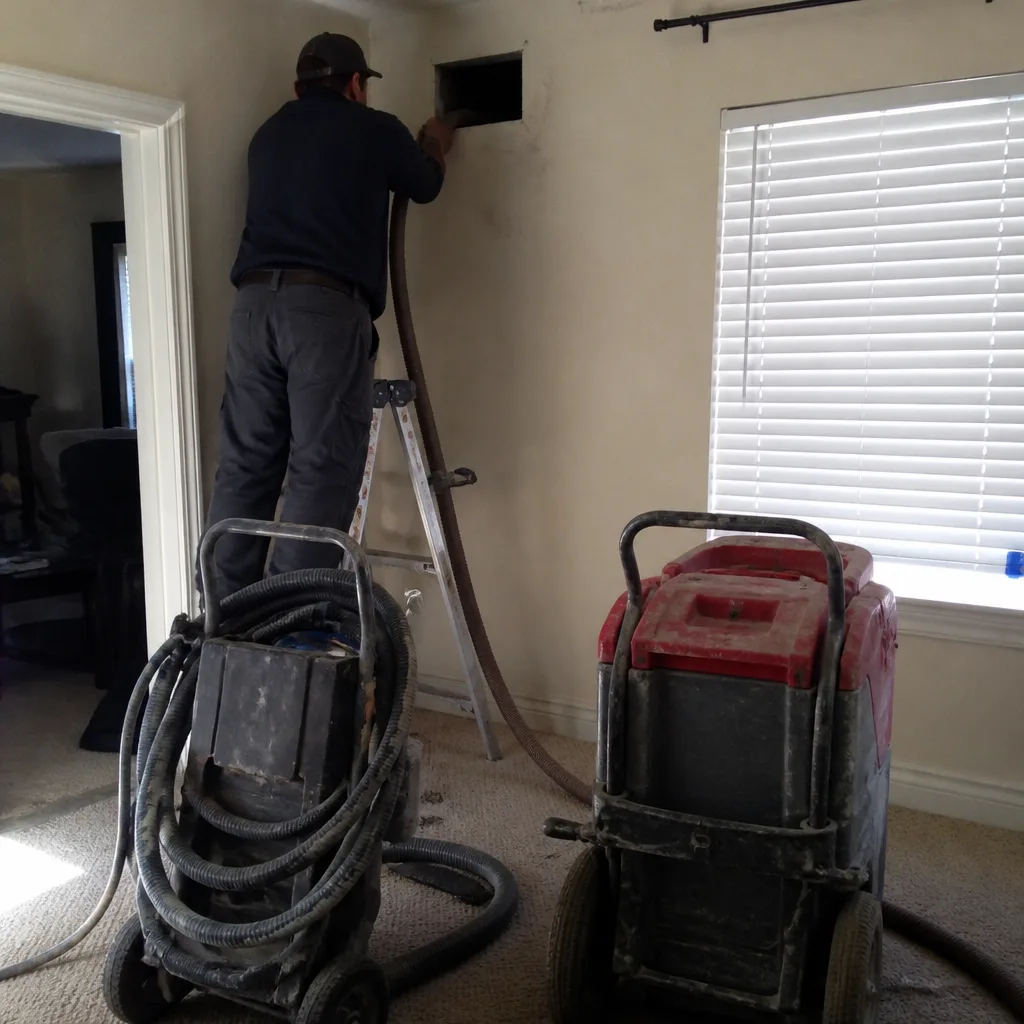 Before
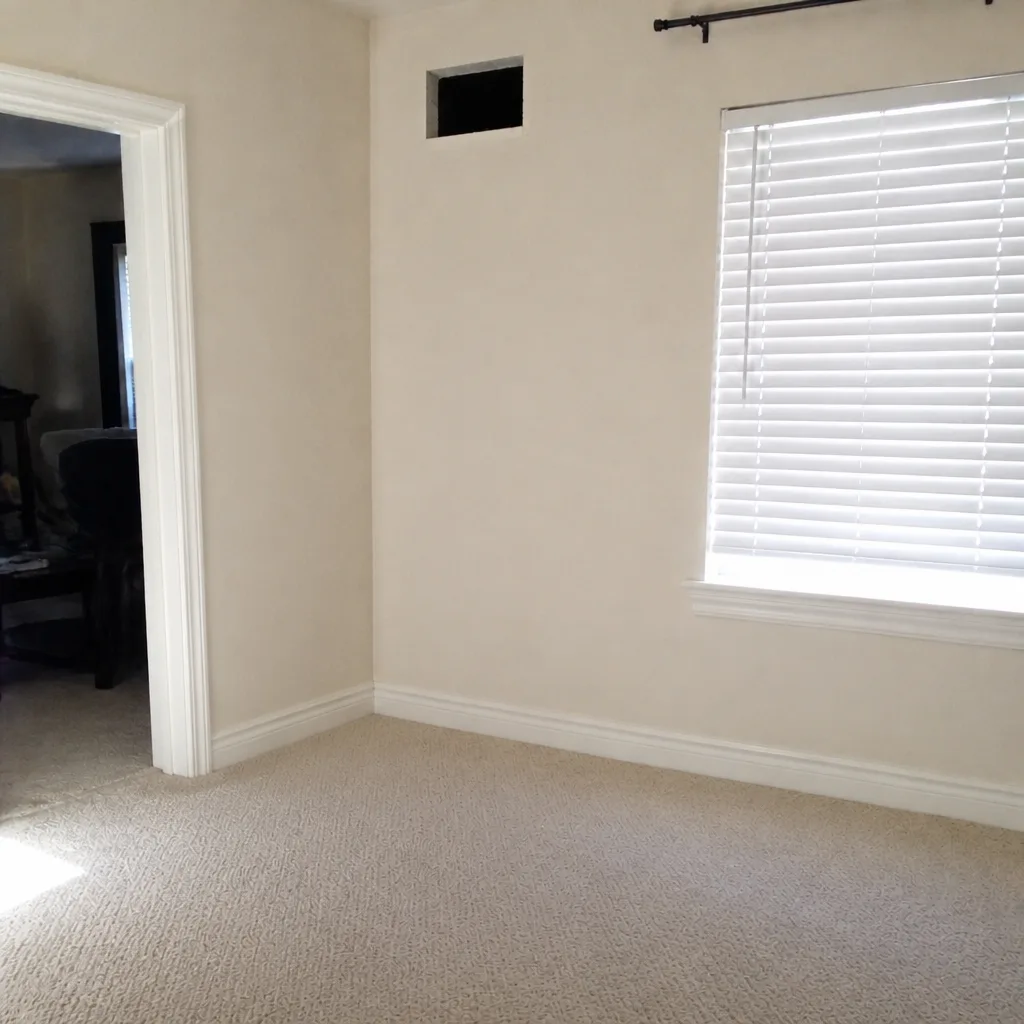 After
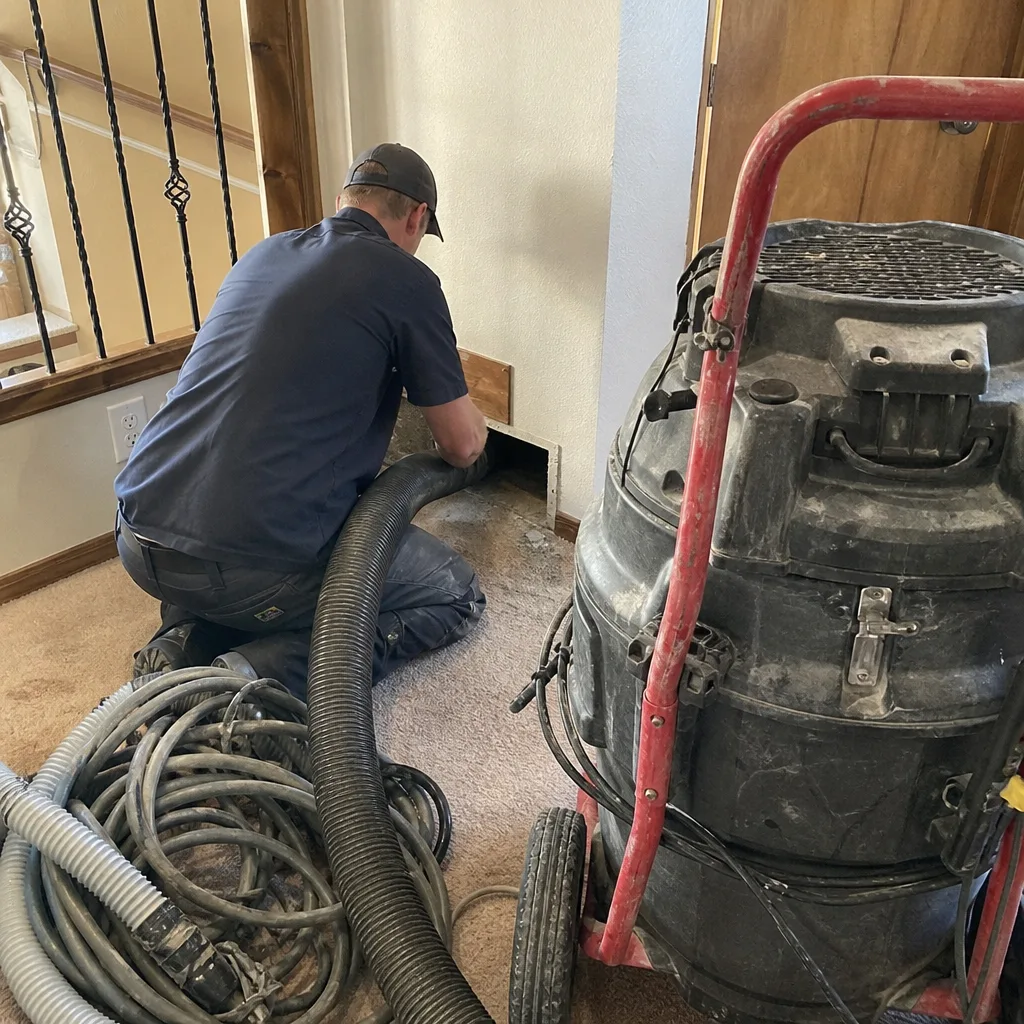 Before
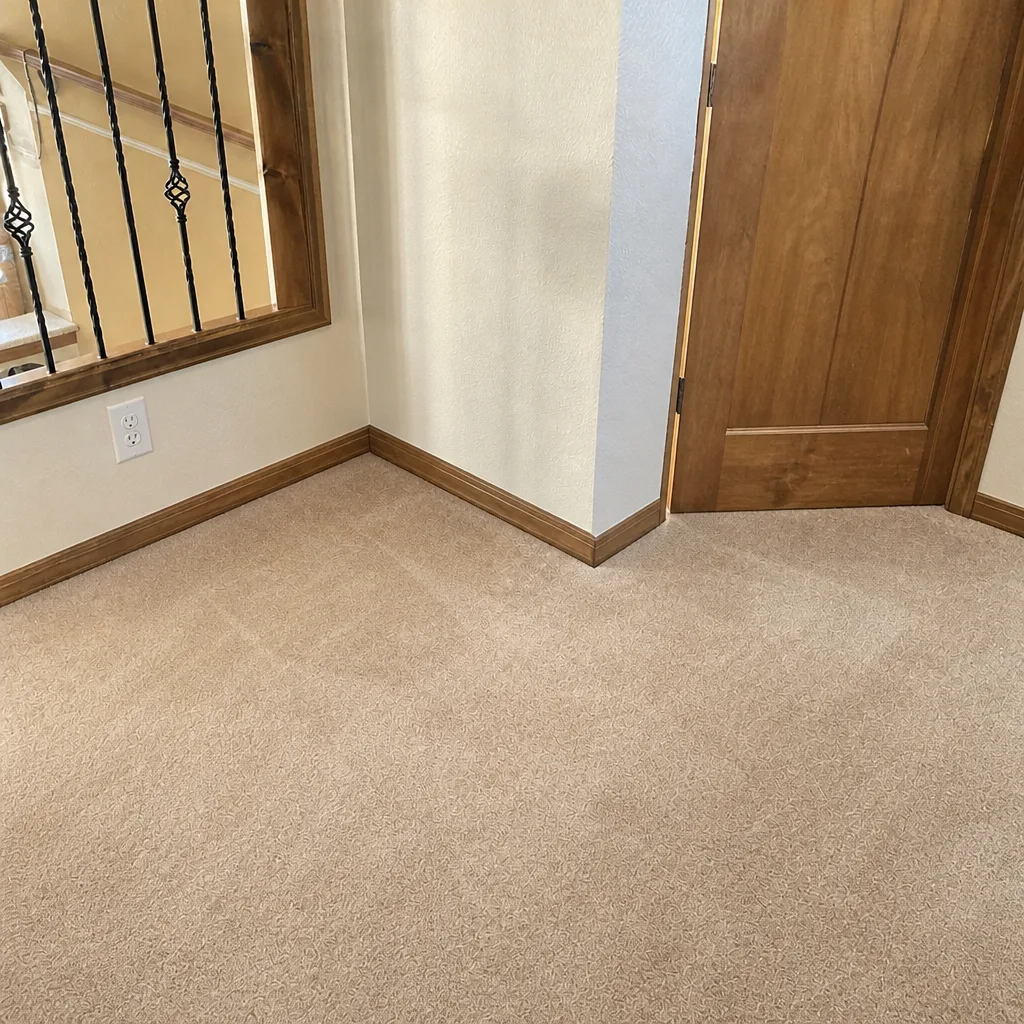 After
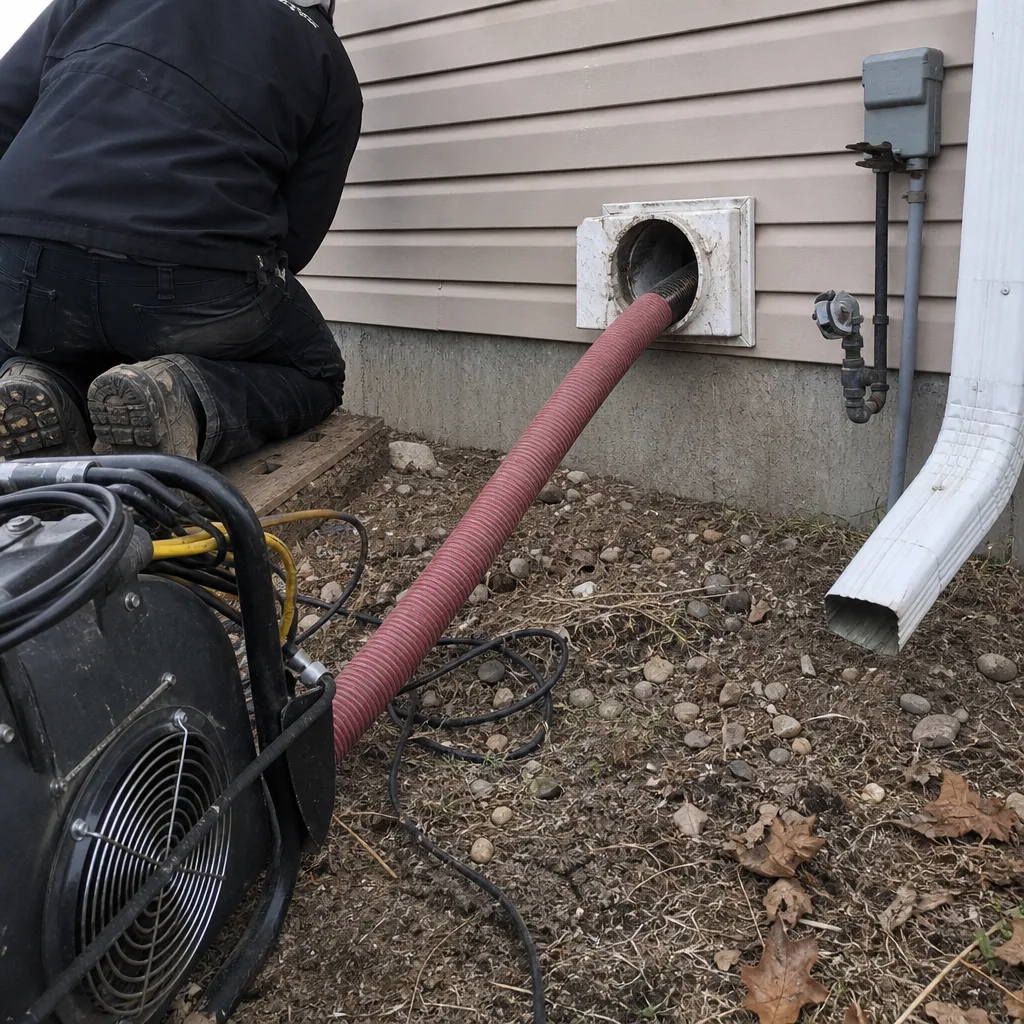 Before
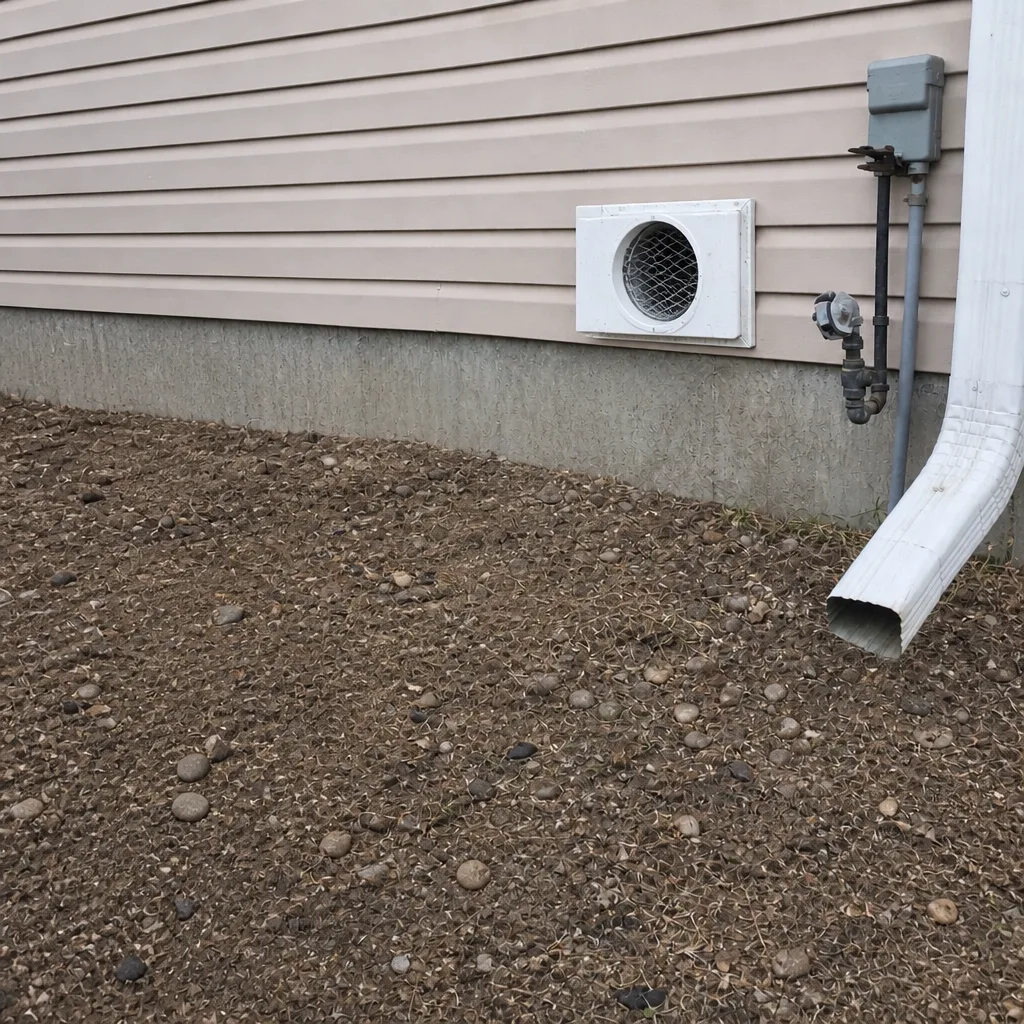 After
When to Call a Professional
Call a professional when you can’t find the cause with the DIY list above, when you smell something musty or burning, when a room has never been comfortable since you moved in, when your allergies improve outdoors and worsen indoors, when you’ve just finished a renovation, or when you’ve just bought a home and don’t know when the ducts were last cleaned. If you can see a disconnected joint in an attic or crawlspace, don’t go after it yourself. Call a technician with the right containment equipment. Our American Fork Air Duct Cleaning service is built for exactly these calls. We offer free estimates in American Fork. Call (833) 918-6290. We answer 24/7. Fast dispatch from 7am to 7pm, Sunday through Friday.
Frequently Asked Questions
A static pressure reading at the air handler plus a room-by-room airflow check tells you which one you’re dealing with. High pressure with low airflow across the house usually means a restriction or an undersized return. Low pressure differential with weak airflow usually means leakage. If both readings are off, you probably have both, and the fix is repair and sealing first, then cleaning. Call (833) 918-6290 for a diagnosis, free estimates included.
That’s moisture, and the usual cause is a wet evaporator coil, a clogged condensate pan, or condensation on an uninsulated duct run. Cleaning alone won’t fix it because the moisture source is still there. The fix is addressing the moisture, then contact cleaning the ducts, then a sanitizing treatment to inhibit microbial regrowth. Ask for a coil and cabinet inspection alongside the duct clean.
Pricing is per job, by written estimate, because every system is different: number of returns, number of runs, accessibility, and whether repair or sealing is needed. We quote one flat price per system before any work starts and stick to it, no per-vent pricing and no bait-and-switch. Call (833) 918-6290 for a free estimate on your specific system.
Usually because the cheaper quote skips the repair and containment side of the job. A crew with a shop vac and a brush kit can do a surface pass in an hour and be gone. Professional contact cleaning with a Rotobrush system, negative-pressure containment from Abatement Technologies, and post-clean sanitizing is a different class of work. Ask about equipment and containment on the call. Call (833) 918-6290 for a quote that reflects that scope.
There’s no universal calendar figure; the honest answer depends on your house. Homes with continuous pets, recent renovation, ongoing allergy symptoms, or a system that’s clearly leaking need cleaning more often than homes without them. A well-sealed, well-filtered system with no symptoms can go years. If your airflow or allergy symptoms suggest a problem, get a diagnosis before assuming a cleaning is the fix.
Neither. A shop vac pushes as much fine particulate into the air as it captures, and a consumer HEPA vacuum doesn’t have the reach, attachments, or containment volume for duct interiors. Cleaning a connected duct system without negative-pressure containment recontaminates the house. That’s the job for professional equipment. Call (833) 918-6290 if you want the diagnosis to happen before you commit to anything.
The Bottom Line
Most duct problems in American Fork aren’t solved by cleaning. They’re solved by diagnosing first, then repairing, sealing, cleaning, and treating in that order. Uneven rooms point to a broken airflow path, not dust. Musty smells point to moisture, not dirt. Indoor allergy flare-ups point to a breach or a filtration failure before they point to duct contamination. What we do is simple to describe: diagnose with static pressure and airflow readings, repair and seal what’s leaking, contact-clean with Rotobrush, contain with Abatement Technologies, and treat with Guardsman-grade sanitizing afterward. Clean ducts, sealed ducts, treated ducts. If you want a real diagnosis rather than a guess, call (833) 918-6290. We answer 24/7. Fast dispatch from 7am to 7pm, Sunday through Friday.
Written by the team at American Fork Air Duct Cleaning.