
Last updated November 24, 2026
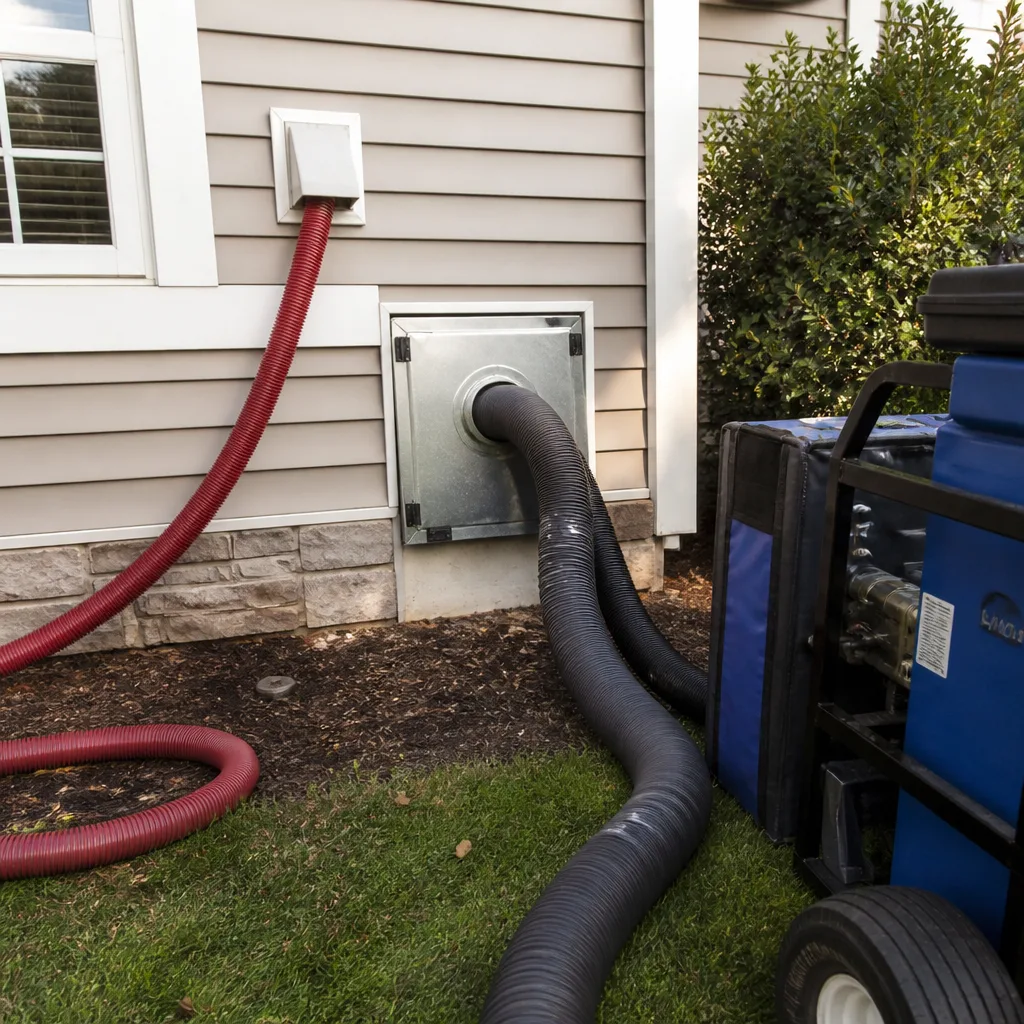 Whole-home duct cleaning
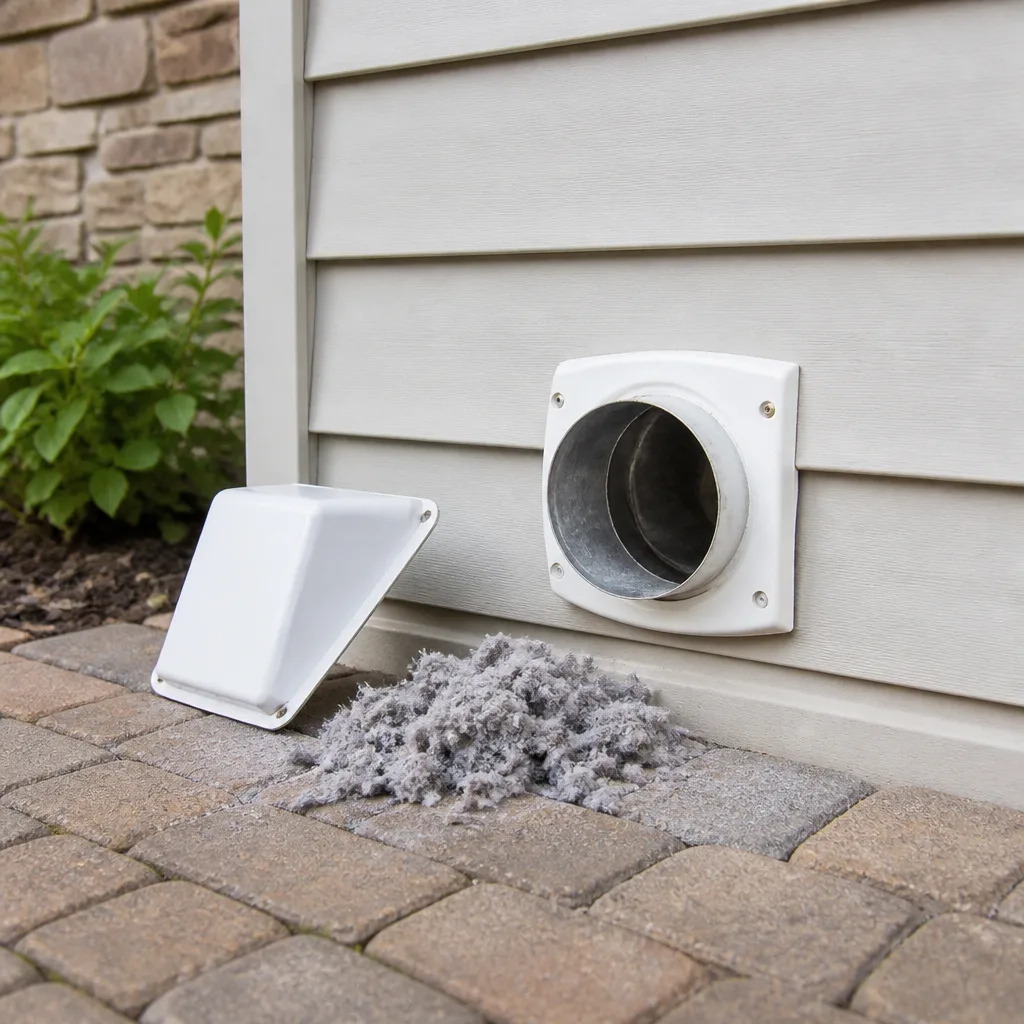 Dryer vent cleaning
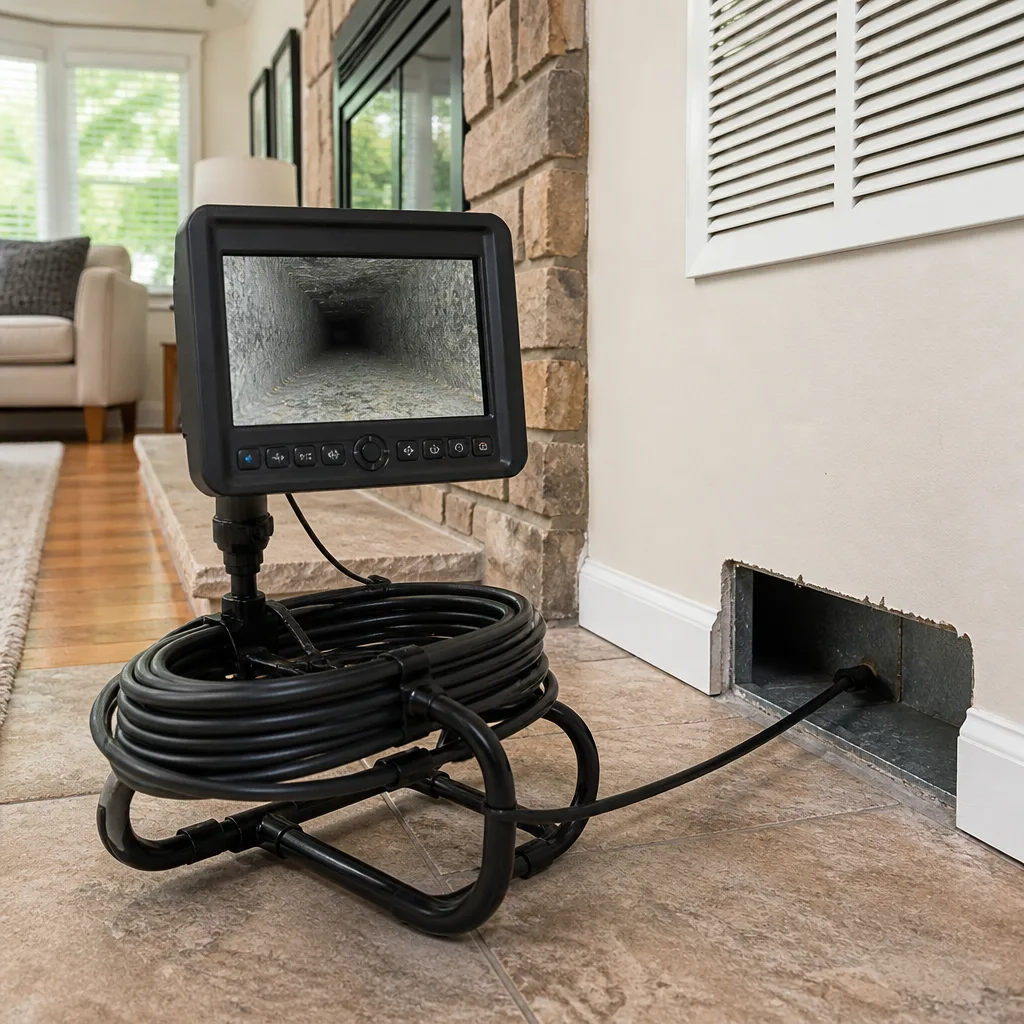 Camera inspection
 Sanitizing & deodorizing
Whole-system duct and dryer vent check with before-and-after photos - you see exactly what came out of your vents
That "$99 whole-house special" is a bait ad - the real number appears once they are in your hallway, or the "clean" is a shop-vac at the register. We photograph the inside of your ducts before and after instead.
Choosing the Right Air Duct Cleaning Brand: A Buyer’s Guide for American Fork
Walk through any home improvement store and you’ll pass a wall of shop vacuums. A few aisles over, there’s the odd brush kit marketed for ducts. That’s the entire equipment stack behind many businesses advertising air duct cleaning in American Fork – a vacuum on wheels and a spinning brush. The names that matter in this trade, Rotobrush, Nikro, and Abatement Technologies, are the same names you’d find on a hospital remediation cart or a commercial HVAC contractor’s trailer. When a residential company uses them, it’s not an upgrade, it’s a standard. This guide explains what that equipment actually does, how to verify a contractor’s claims, and which questions separate a specialist from an operator who bought a truck and started calling themselves a duct cleaner. You’ll leave knowing how to read a quote, how to read a company, and why the two usually point to the same answer.
Quick Answer
The right air duct cleaning brand in American Fork is the one that runs professional-grade equipment (Rotobrush, Nikro, Abatement Technologies), cleans the full air path rather than just the visible vents, and will answer technical questions about their process without hesitation. Ask what equipment they use, how they contain debris during the job, and whether they clean the blower wheel and evaporator coil housing. A company that can name its tools and show them is a company that’s built a business around thorough work. A company that answers vaguely is telling you something.
Styles & brands we work with
- Whole-home duct cleaning
- Dryer vent cleaning
- Camera inspection
- Sanitizing & deodorizing
Table of Contents
- Why Equipment Brands Are the Best Predictor of a Quality Duct Cleaning Job
- What Rotobrush, Nikro, and Abatement Technologies Actually Do
- How to Verify Equipment Claims Before the Job Starts
- The Business Model Signal: Why Thorough Jobs Cost More
- What “Full-System” Actually Means in Equipment Terms
- Questions to Ask Any American Fork Duct Cleaning Contractor
- What a Complete Duct Cleaning Job Looks Like, Step by Step
- Why American Fork’s Climate and Housing Shape Duct Contamination
Why Equipment Brands Are the Best Predictor of a Quality Duct Cleaning Job
Every duct cleaning company in American Fork advertises the same things: thorough cleaning, fair prices, experienced technicians. The words are interchangeable, so they don’t help you choose. The equipment list is different. It’s a capital decision, and capital decisions reveal what a business actually prioritizes.
Professional-grade duct cleaning equipment isn’t cheap, and it isn’t casual. A Rotobrush system, a Nikro negative-air unit, or an Abatement Technologies HEPA containment setup requires training to run safely and an ongoing commitment to maintaining the gear. A company that owns this equipment has decided it can only make the investment work by performing longer, more complete jobs. That’s the model. A company that buys a modified shop vacuum has decided the work can be done in an hour and priced accordingly. Both models are internally consistent. Only one cleans your ducts.
In the American Fork market, like most of Utah County, you’ll find both. The coupon operations tend to cluster around the same advertising price points, and they tend to be in and out of a house quickly. The specialist companies show up with equipment you recognize from remediation work and a process that takes most of a day. The reason the equipment names matter is that they’re a public, verifiable signal. Anyone can claim to be thorough. Naming Rotobrush and Nikro in a quote and being able to show you the gear is a different level of commitment.
One more consideration for American Fork specifically: the housing stock. Many homes here are newer builds, which means flexible duct and sealed systems that behave differently from the rigid metal ducts in older parts of the county. Different constructions need different tools and different approaches. A generalist with one setup can’t adapt. A company with a full equipment lineup can. That’s why we lead with gear: it’s the visible part of a process you can’t otherwise see.
What Rotobrush, Nikro, and Abatement Technologies Actually Do
Each of these three brands addresses a different stage of the cleaning. Missing any one of them leaves a gap, and most low-cost duct cleaning jobs skip at least one.
Rotobrush: rotary contact cleaning
Rotobrush systems use a rotating brush on a flexible cable that travels inside the duct run. The brush agitates dust, debris, and the biofilm that adheres to duct walls. Without agitation, a vacuum alone pulls only what’s already loose; the stuff stuck to the walls stays stuck. Rotobrush contact cleaning is what physically detaches the contamination so it can be extracted. It’s the reason the duct interior is actually clean, not just less dusty. Rotobrush also includes a small extraction head that captures the dislodged material at the point of contact, which is why the two stages are normally paired.
Nikro: negative air extraction
Nikro systems are commercial negative-air machines. While the brush is agitating inside the duct, the Nikro unit is pulling air (and debris) out of the system and capturing it in high-efficiency filtration. The key word is negative. The system is held at a lower pressure than the room around it, so air flows into the ducts and out through the machine, not the reverse. That’s what keeps dust from blowing back into your living space during a cleaning. A shop vacuum can pull air, but it can’t hold a whole duct system under negative pressure while the technician works in another room. That’s the difference between a professional vacuum and a professional extraction system.
Abatement Technologies: HEPA filtration and containment
Abatement Technologies equipment provides HEPA filtration and the containment framework that keeps the entire job controlled. HEPA filtration captures particles far smaller than what a standard vacuum filter catches, which matters for anyone with allergies, asthma, or immune sensitivities in the household. Containment means the technician can seal off openings and work zones so the dust that’s being lifted in one part of the house doesn’t drift into another. This is the same equipment remediation contractors use after water damage or mold events, because the standard of cleanliness required is higher than a general cleaning call. When it’s used in residential duct work in American Fork, it signals the company treats the job with the same discipline.
Put together, the three stages read clean, extract, contain. Clean detaches, extract removes, contain keeps it out of your air. Rotobrush handles the first, Nikro handles the second, Abatement Technologies handles the third. Any job missing a stage is a partial job, no matter what the invoice says.
How to Verify Equipment Claims Before the Job Starts
Equipment claims are easy to make on a website and easy to verify in a phone call. Ask before you book, and ask in plain language. A specialist will answer with specifics. An operator who doesn’t have the gear will either hedge or pivot to price.
- Ask for the equipment names. A professional company says Rotobrush and Nikro without hesitation. If the answer is “professional-grade machines” or “the latest equipment” with no brand, that’s the answer.
- Ask how they contain dust during the job. The correct answer involves negative pressure and HEPA filtration. Look for a name like Abatement Technologies. If the answer is “we’re careful” or “we wear boot covers,” the containment stage may not exist.
- Ask to see the setup before work begins. A reputable contractor won’t hesitate. Professional equipment has recognizable features: a large rotary brush system on a separate cart, a hose-reel extractor, a HEPA air machine in the work zone. A shop vacuum with a brush attachment on the end might look similar from across the room, but a trained eye will tell the difference immediately.
- Ask about training. Rotobrush and Nikro systems have their own operating procedures. Ask how the technician was trained on the equipment and who oversees the process. A company with 13-year technicians has a training story to tell. A company that started last quarter doesn’t.
- Ask how they’ll confirm the work was done. Before-and-after photos of the duct interiors are the standard. If a company doesn’t take them, ask why – if the equipment is what you expect, the photos are easy to produce.
- Ask what happens to the debris once it’s out of the duct. The correct answer involves HEPA containment and disposal, not a bag lifted through the living room. That distinction tells you whether the full containment stage is real or aspirational.
None of these questions are traps. They’re the questions a homeowner who’s done a few minutes of homework would ask, and a company that’s invested in professional equipment should welcome them. The hesitation, where it exists, is the answer.
The Business Model Signal: Why Thorough Jobs Cost More
Two air duct cleaning jobs in American Fork that look the same on paper can differ by several hours and a full set of professional equipment. That difference has to show up somewhere, and it shows up in pricing. Here’s the honest math.
A professional contractor running Rotobrush, Nikro, and Abatement Technologies equipment has:
- Significant capital tied up in equipment, maintained and calibrated
- Technicians trained to operate that equipment safely
- Longer on-site time per job because the work is more complete
- HEPA consumables that are used up and replaced
- A slower job pace that limits how many homes can be booked in a week
A high-volume discount operation has:
- A single vacuum setup that’s cheaper to own and run
- A shorter on-site visit, often well under two hours
- A business model that depends on booking large numbers of homes
- Pricing advertised low to capture call volume, with upsells presented on-site
Both companies are rational. The one you want is the one whose economics reward thoroughness, because those economics are the only reliable predictor of what you actually get. When a company quotes a price in American Fork, ask what’s included and how long it will take. A quote that includes the air handler, blower wheel, evaporator coil housing, and return plenum will be higher than one that covers only the visible runs. It also covers more of your system. That’s the difference.
We don’t publish a per-vent price or a teaser coupon because those numbers can’t be honored honestly. A whole-system job is priced per system, in writing, after the technician sees the layout. That’s the only way a quote matches the work.
What “Full-System” Actually Means in Equipment Terms
“Full-system cleaning” is a phrase that gets used loosely. In equipment terms it has a specific meaning: every component your air passes through, not just the duct runs you can reach with a short brush.
The components a full-system job covers:
- Accessible supply and return duct runs. The long horizontal stretches, which is where most of the visible dust lives and where a surface-only service stops.
- The air handler cabinet. The metal box that houses the blower and coil. It’s often skipped because cleaning it requires more than a vacuum hose – it takes opening the cabinet and working around components.
- The blower wheel. The fan that pushes air through the system. When it’s contaminated, it’s balanced unevenly, which can cause noise, vibration, and reduced airflow. Cleaning it requires disassembly and careful reassembly.
- The evaporator coil housing. The coil and its drain pan. Moisture here plus dust is a recipe for microbial growth. It’s one of the first places a thorough contractor looks.
- The return plenum. The large box just before the air handler. Contamination here is pulled in on every return cycle, so it’s the highest-impact place to clean and one of the easiest to skip.
The reason most competitors skip air handler, blower wheel, coil housing, and return plenum is equipment, not laziness. Reaching and safely cleaning those components requires a full tool set, careful containment, and the training to avoid damaging parts that are expensive to replace. A shop vacuum with a hose can reach the supply vent. It can’t responsibly clean a blower wheel.
When you ask a company in American Fork what “full-system” means to them, listen for those five components. If the answer stops at “all your ducts,” you’re being quoted a partial job. If you want that full scope done properly, air duct cleaning from a specialist covers it without leaving the air handler out.
Questions to Ask Any American Fork Duct Cleaning Contractor
These are the questions that split operators who know their tools from operators who started with a truck and a shop vac. Ask all of them. Two or three will do the separating on their own.
- “What equipment will you use, specifically?” The right answer names brands – Rotobrush, Nikro, Abatement Technologies. The wrong answer names adjectives.
- “How do you keep dust from blowing back into the house?” The right answer describes negative pressure and HEPA filtration. The wrong answer describes caution.
- “Are you cleaning the air handler, blower wheel, and coil housing, or just the duct runs?” The right answer is explicit about which components are covered. The wrong answer is “everything” without specifics.
- “Can I see before-and-after photos?” The right answer is yes, and they’re photos of your ducts. The wrong answer is yes, and they’re stock photos.
- “How long will the job take?” The right answer is measured in hours, not minutes. A serious full-system clean takes real time. A job that’s booked for 45 minutes is a surface job.
- “What’s the written price, and what does it include?” The right answer is a per-system quote in writing, with the scope spelled out. The wrong answer is a per-vent figure or a coupon price that changes on-site.
- “How often do you recommend this for a home like mine?” The right answer depends on your situation (see the next section). The wrong answer is “every year” or “every two years” regardless of what you tell them.
A contractor who’s invested in professional equipment has the answers ready. A contractor who hasn’t will fill the silence with price talk. Listen for which one happens.
What a Complete Duct Cleaning Job Looks Like, Step by Step
A complete job in American Fork runs on a predictable sequence. If a contractor’s explanation of their process matches the steps below, you’re in good hands. If it skips two or three, ask why.
- Walk-through and system mapping. The technician traces the supply and return runs, identifies the air handler location, and notes access points. Any issues that change the scope (blocked runs, visible damage, past water intrusion) get flagged before work starts.
- Containment setup. Abatement Technologies HEPA equipment is placed to hold the system under negative pressure. Work-zone openings are sealed so nothing dislodged during cleaning drifts into the living space.
- Rotobrush contact cleaning. Rotary brush agitation runs through each accessible duct segment. This is what detaches contamination from the duct walls.
- Nikro extraction. Dislodged material is pulled out through the extraction hose and captured in high-efficiency filtration. The negative pressure established in step two is what keeps this under control.
- Air handler, blower wheel, coil housing, and return plenum. The components most jobs skip. This is where the equipment investment earns its keep, because these parts need specific tools and careful handling.
- Duct repair and sealing. Leaky joints and disconnected runs get sealed. Cleaning a duct system that leaks is only a temporary improvement; the same debris comes back. Sealing is part of the job, not a separate upsell.
- Sanitization. After physical cleaning, a Guardsman-grade sanitizing treatment is applied inside the ducts to inhibit microbial regrowth. Cleaning without treatment is like mopping a floor without disinfectant.
- Verification and photos. Before-and-after photos of the duct interiors are taken and shared. This is what “how do I know the work was done” actually looks like.
- Dryer vent attention (if in scope). Drying appliances in the same home share the contamination cycle with HVAC ducts. If the company offers dryer vent cleaning, running it in the same visit is efficient.
Filtration or purification upgrades may come up after all of this is done. Honeywell and Aprilaire product lines handle those needs well, and we only recommend them when they fit what the home actually needs, not as part of a package pitch. The cleaning has to come first. An air purifier on a dirty duct system just recirculates what’s already there.
Why American Fork’s Climate and Housing Shape Duct Contamination
Duct contamination isn’t uniform across the country, and it isn’t uniform across Utah County. American Fork sits at the base of Mount Timpanogos, which means two things for HVAC systems. First, the seasonal swing is large. Summer afternoons push into the nineties, winter mornings drop well below freezing, and the system runs hard in both directions. Every hour of run time moves more air through the ducts, and more air means more dust exposure across the filter and duct surfaces. Second, the spring pollen load in this valley is heavy. The tree pollens that come off the Wasatch foothills get pulled into return air when windows open and system fans run. A duct system that’s never been cleaned holds years of that accumulation.
The housing stock reinforces it. Many American Fork neighborhoods are relatively new builds, which means flexible duct runs in tight attic or crawl spaces and systems sealed tighter than older homes. That’s good for energy efficiency, but tighter systems concentrate contaminants when they accumulate. In a sealed home, the ducts are the primary circulation path. In a leaky one, they’re one path among several. That changes how much a duct cleaning affects indoor air quality, and it’s part of why a diagnostic visit – not just a cleaning visit – matters.
Specific to American Fork, some neighborhoods near the foothills deal with more exterior dust intrusion due to wind patterns, and older homes closer to the city center often have rigid metal ducts with more joints and more leakage. Each situation calls for a slightly different approach. The right equipment lineup handles both. A single-method operator can only do what their setup allows.
Common Mistakes to Avoid
- Booking on price alone. The lowest advertised price in American Fork is rarely the final invoice, and rarely corresponds to a full-system job. Ask what the price includes before you commit, not after.
- Not asking to see the equipment. A courteous contractor will happily show you their Rotobrush setup, Nikro extraction unit, and HEPA containment machine. If they show up with a shop vacuum and a hose, the job you’re getting is exactly that.
- Accepting a per-vent quote. A per-vent price means the job is defined by vent count, not system completeness. It also invites an upsell conversation on-site. Ask for a per-system written quote.
- Skipping the air handler and blower wheel. The duct runs are the visible part, but contamination accumulates on the blower, coil housing, and return plenum too. If the quote doesn’t mention those components, ask why.
- Letting a company clean without containment. Utah’s dry spring months make airborne dust a real concern during a cleaning. Without negative pressure and HEPA filtration, dislodged debris ends up on your furniture and in your lungs, not in the machine.
- Assuming a one-visit job is a full job. Some jobs really are one visit. But full-system cleaning with repair, sealing, and sanitization often takes more time than a discount operation will spend. Ask how long the company expects to be on site, and what they’ll do during that time.
- Choosing a generalist over a specialist. Duct cleaning is a trade with specific tools and specific training. A handyman who also cleans ducts has a generalist’s equipment list. A specialist doesn’t.
See the difference
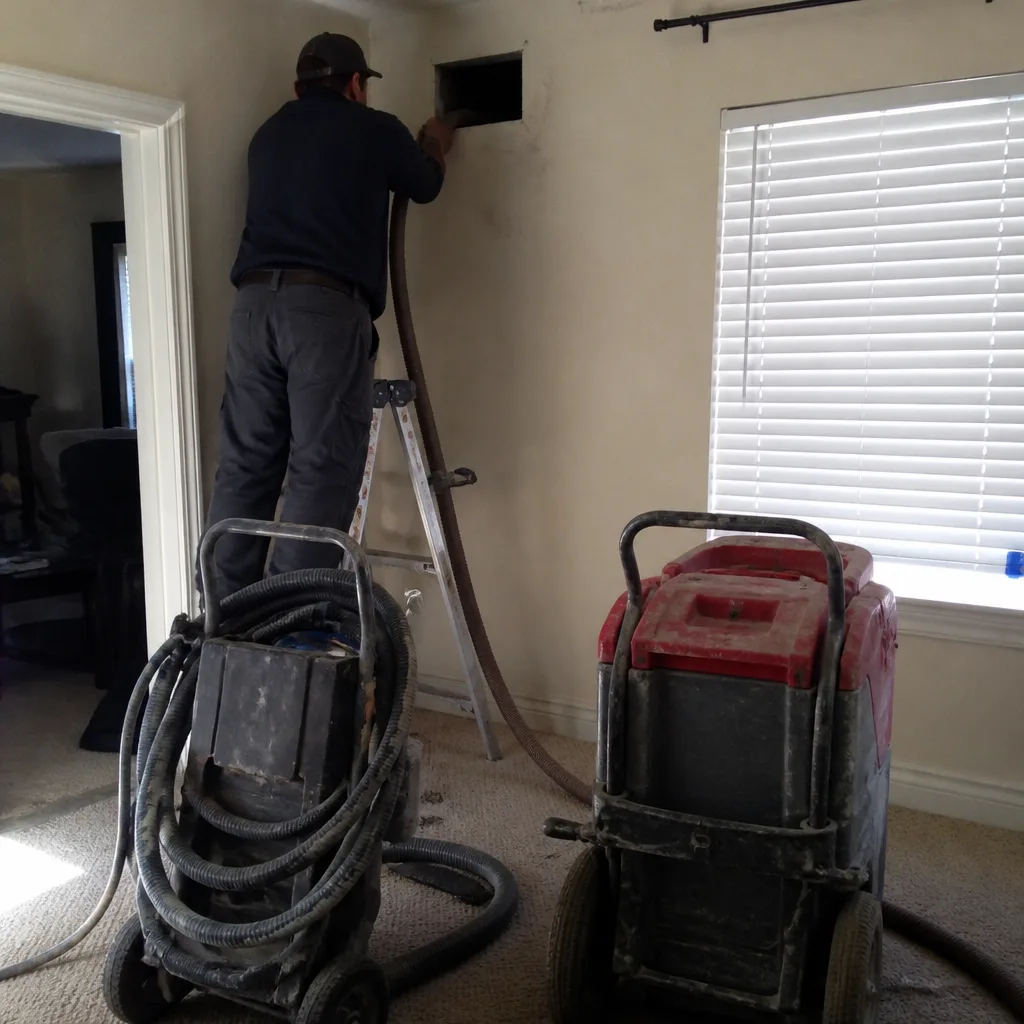 Before
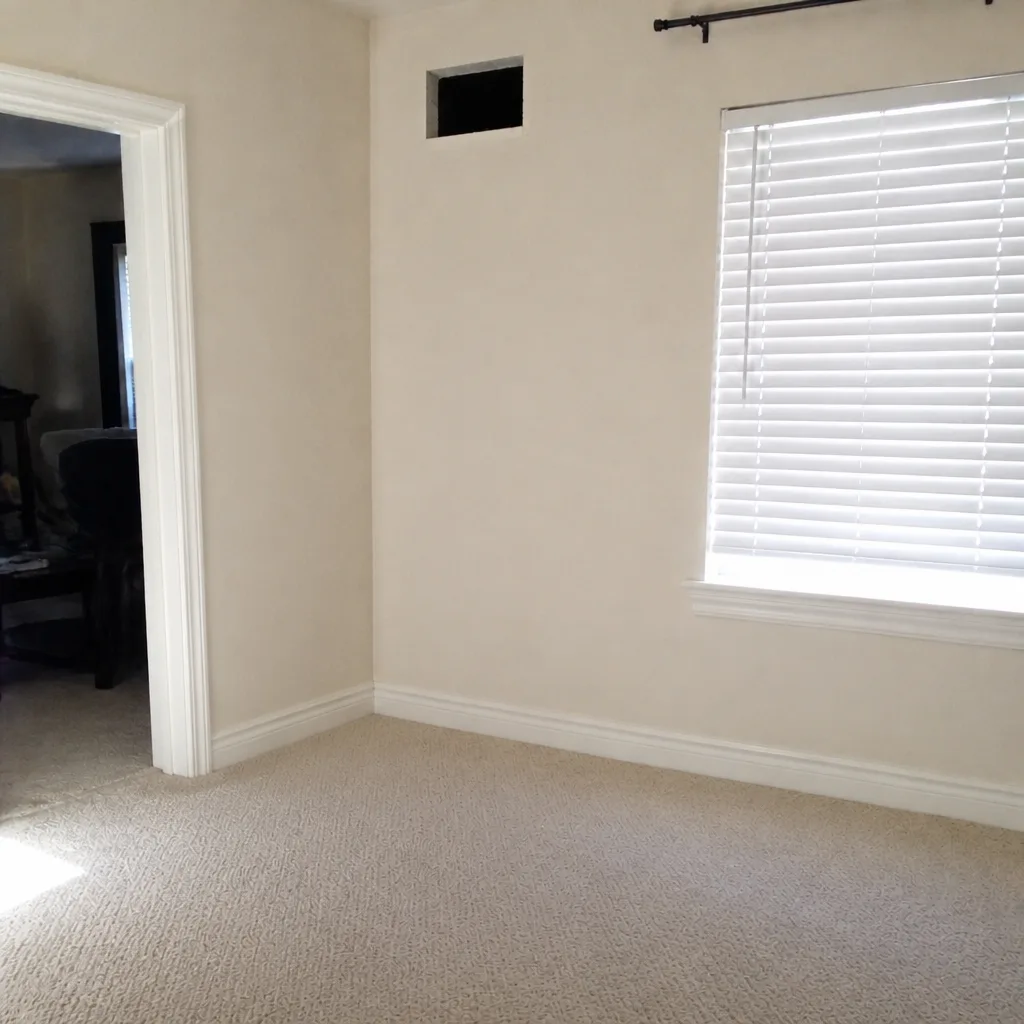 After
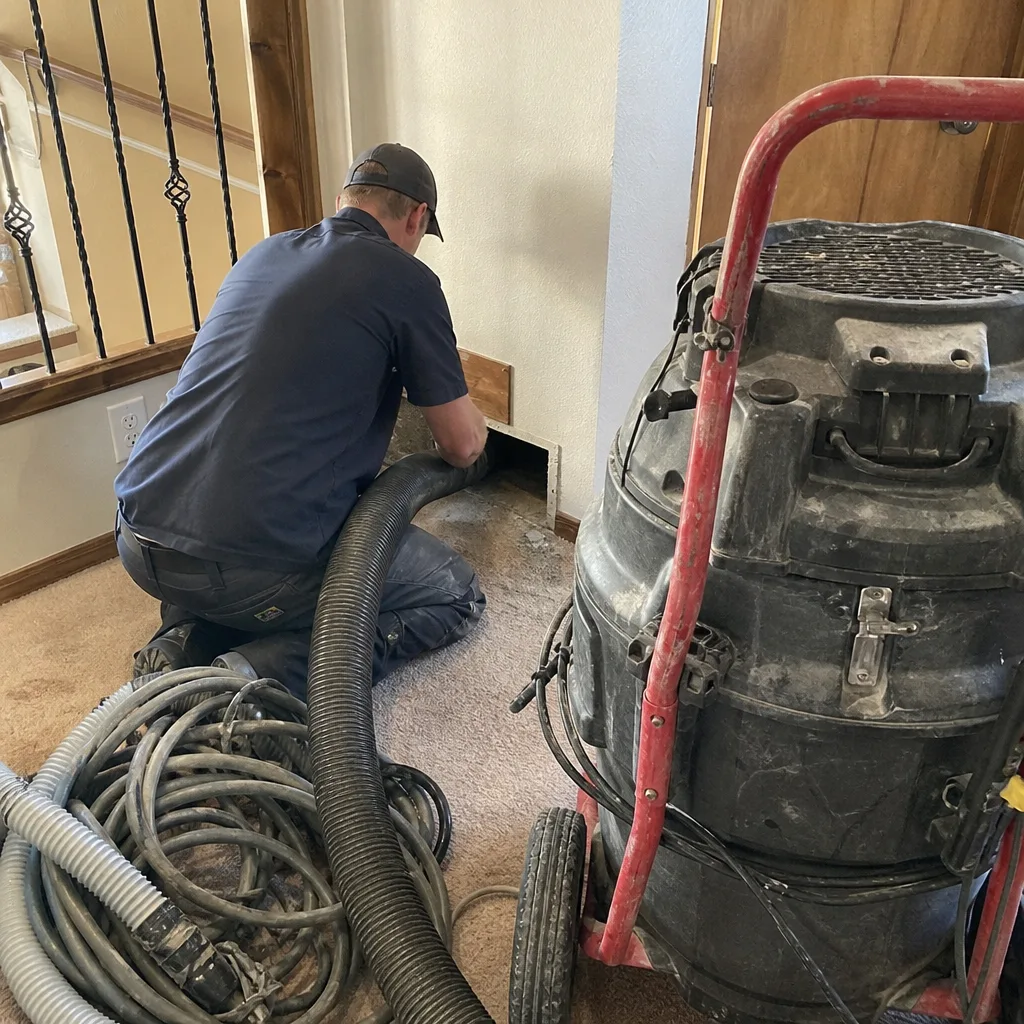 Before
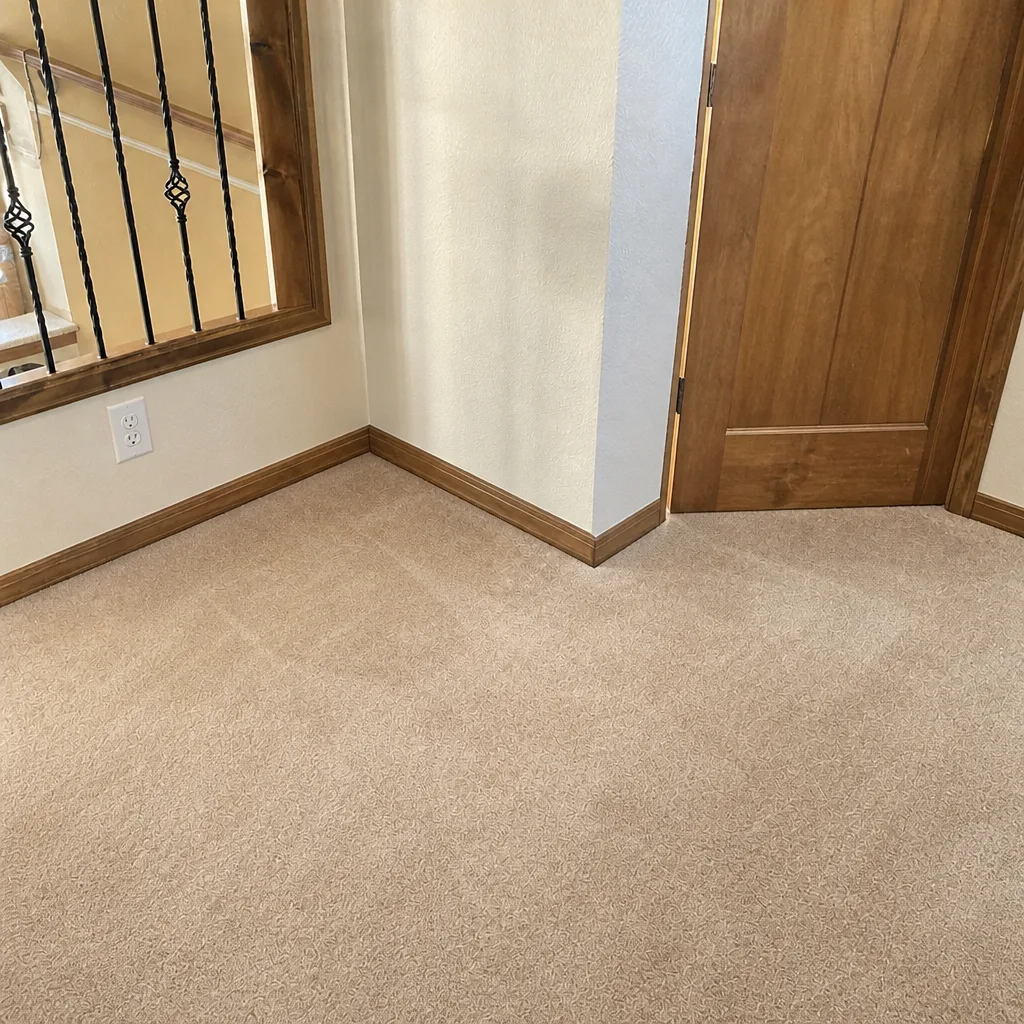 After
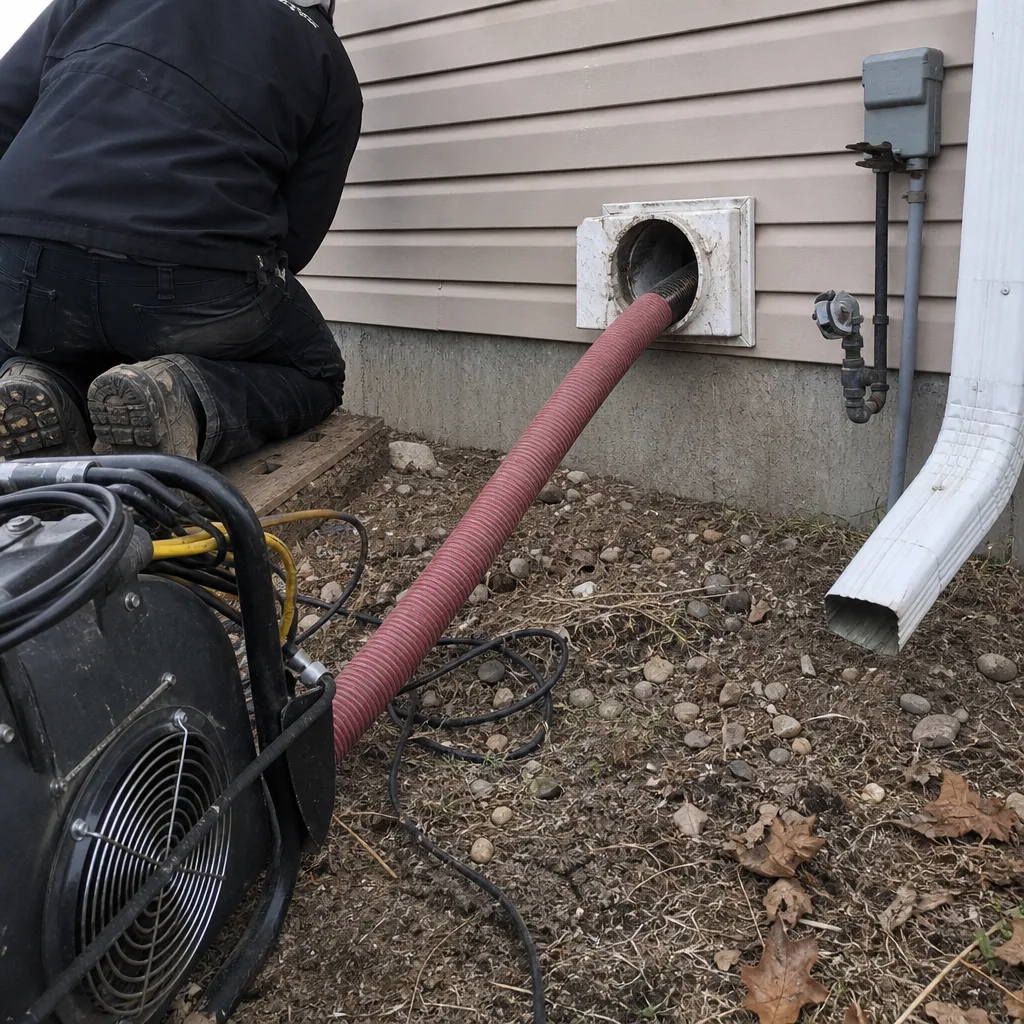 Before
 After
When to Call a Professional
Some situations call for a diagnostic visit sooner than others. If anyone in the home has allergies or asthma that gets worse inside, call. If the system runs but the air smells stale or musty when the fan starts, call. Recent renovation in the home almost always leaves drywall dust in the return plenum, so call after work wraps. A new-to-you home with unknown duct history is worth a diagnostic visit before you move furniture in. A dryer that takes two cycles instead of one signals a vent restriction. A system that’s noisier than it used to be can mean a contaminated blower wheel throwing it off balance. If a duct has come loose in the attic or crawl space, that’s a leak and a contamination path at once.
American Fork Air Duct Cleaning offers free estimates throughout American Fork. Call (833) 918-6290 for a written, per-system quote, and we’ll walk through what a full-system job covers in your specific home. We answer 24/7. Fast dispatch from 7am to 7pm, Sunday through Friday.
Frequently Asked Questions
Whole-system cleaning in American Fork typically runs in a range set by the size of the system, the number of runs, and whether repair, sealing, or sanitization is included. We don’t quote a per-vent figure because it can’t honestly represent the work. The written estimate after a walk-through sets the final price, and the estimate is free. Call (833) 918-6290 for an exact quote. Estimates are free.
Two things drive cheap quotes: lighter equipment and a shorter job. A company running a shop vacuum and brush kit can charge less because they’ve got less overhead and they’re on-site for less time. A company running Rotobrush, Nikro, and Abatement Technologies equipment charges more because the job takes longer and the gear costs more to own and maintain. The difference shows up in what’s actually cleaned. Call (833) 918-6290 and we’ll explain exactly what our price includes.
Before-and-after photos of your own ducts. Any professional duct cleaning job should end with them. If a company doesn’t offer photos, that tells you something about how confident they are in what they’ll find inside. We provide before-and-after photos as standard practice on every visit. Call (833) 918-6290 to schedule a free estimate.
The honest answer depends on the home. A home with no pets, good filtration, and no recent renovation can often go several years. A home with pets, allergy sufferers, recent construction, or an older system may need it closer to every 2-3 years. We recommend based on what we see during a diagnostic visit, not on a fixed schedule. Call (833) 918-6290 for a recommendation that fits your home.
Yes. Dryer vents and HVAC units are part of the same air path, and cleaning them in the same visit is more efficient than treating them separately. Our HVAC cleaning service covers the air handler, blower, and coil housing. Dryer vent work in the same scope is included. The full scope is available in one call. Call (833) 918-6290 to book it.
Cleaning removes the contamination that’s already there. Repair and sealing fix the leaks and disconnections that let new contamination in. Sanitizing with a Guardsman-grade treatment inhibits microbial growth after the clean. All three together is what “full-system” means in practice. Whether all three are needed every time depends on the system, and the diagnostic visit answers that. Call (833) 918-6290 to discuss your home.
The Bottom Line
Choosing a duct cleaning company in American Fork comes down to one question: what does the company invest in? Equipment is the visible answer. A company running Rotobrush, Nikro, and Abatement Technologies gear has built its business around thorough work, because the economics require it. A company running a vacuum and a brush has built its business around volume, because that’s what those tools allow. Neither is hidden. Ask the questions in this guide, look at the equipment list, and check the quote against the full-system scope. The right answer is the one that holds up when you push on it. For a free, per-system estimate on your American Fork home, call American Fork Air Duct Cleaning at (833) 918-6290. We answer 24/7. Fast dispatch from 7am to 7pm, Sunday through Friday.
Written by the team at American Fork Air Duct Cleaning.