
Last updated November 24, 2026
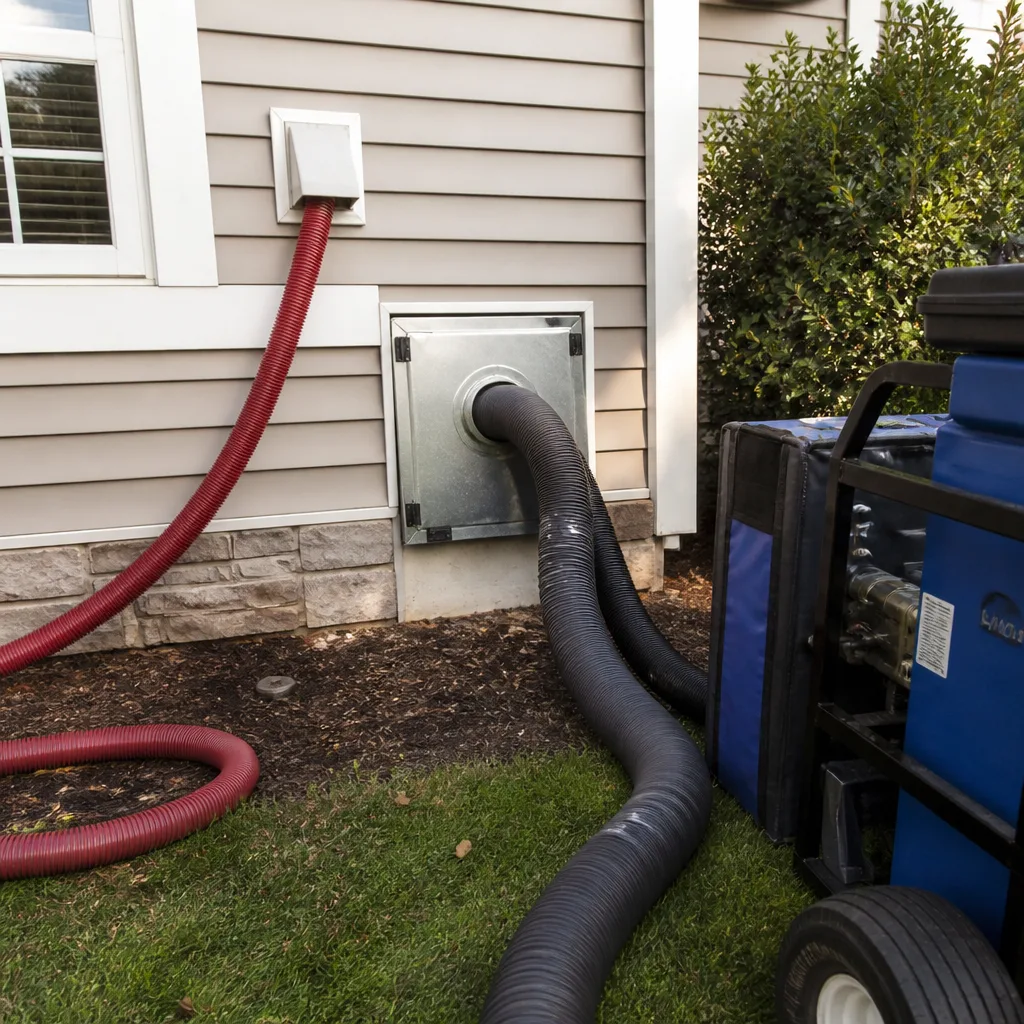 Whole-home duct cleaning
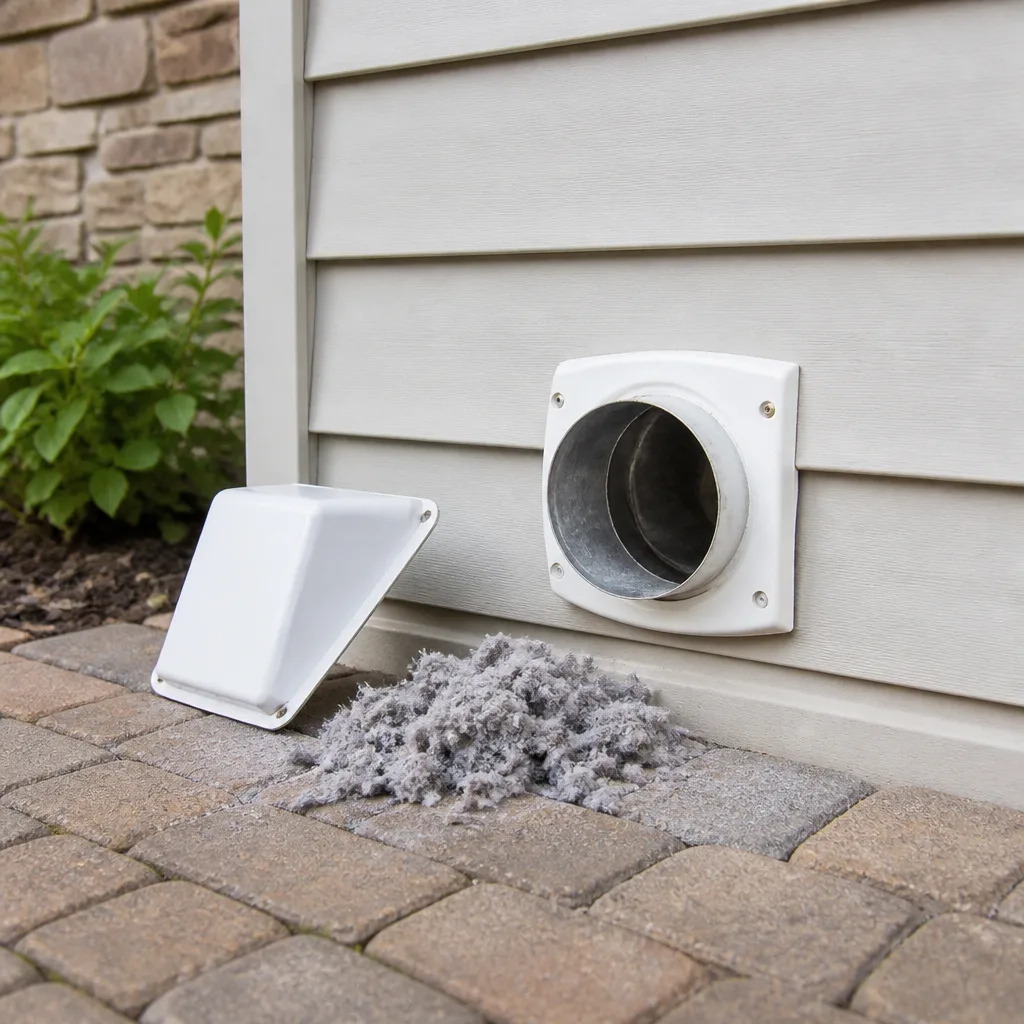 Dryer vent cleaning
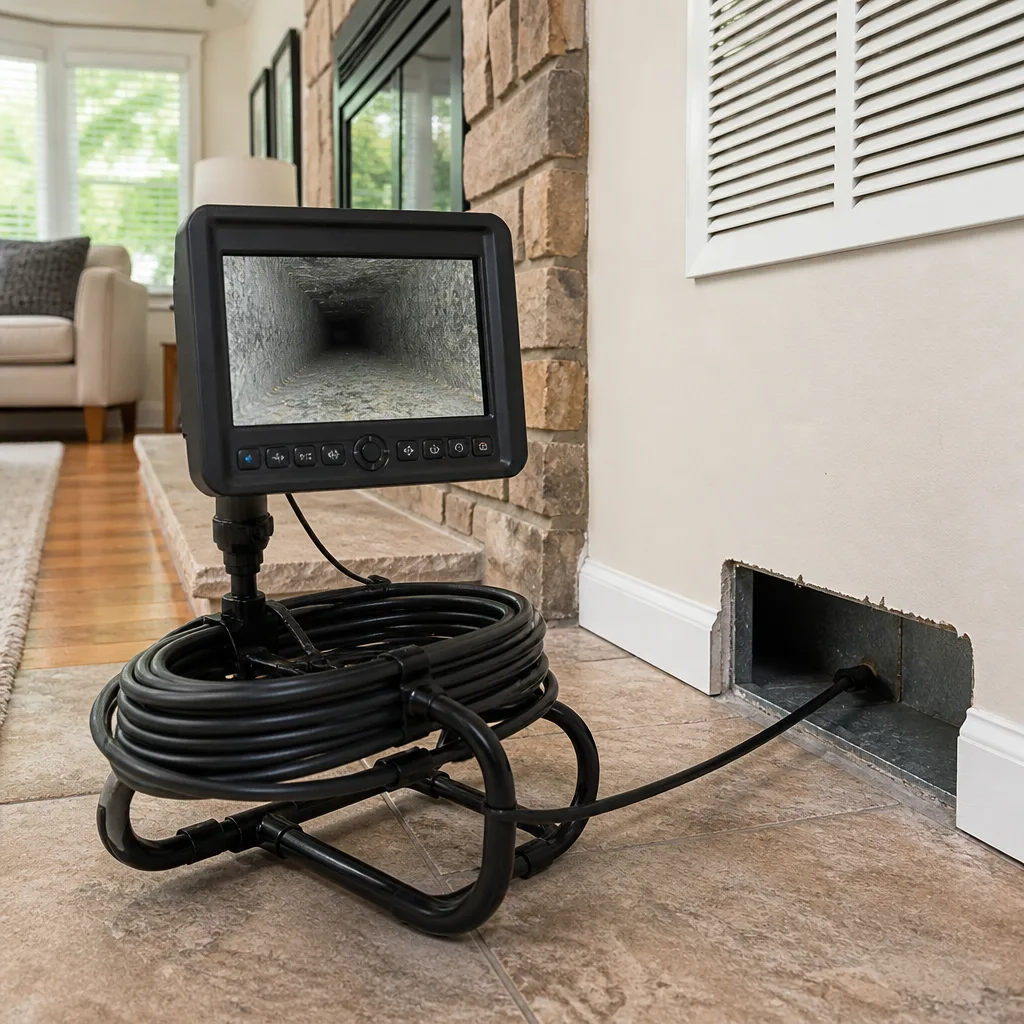 Camera inspection
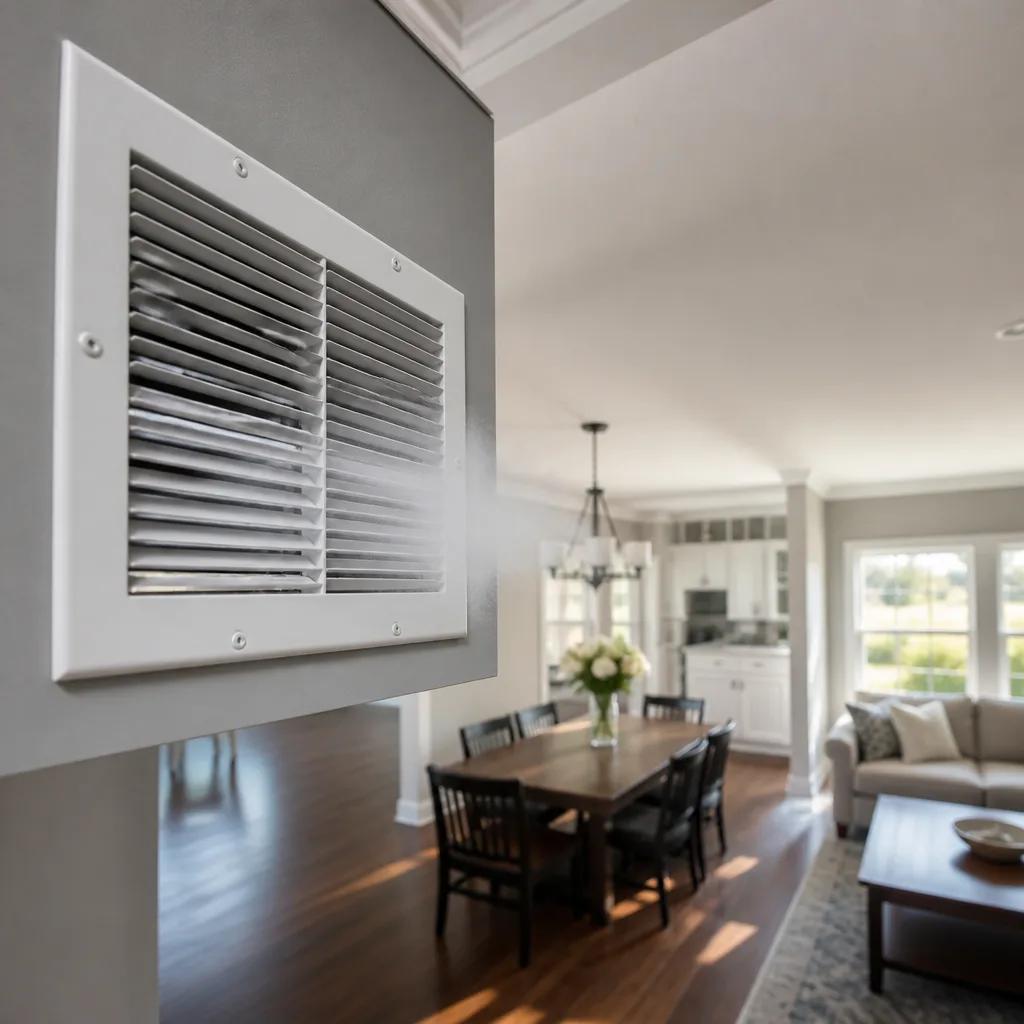 Sanitizing & deodorizing
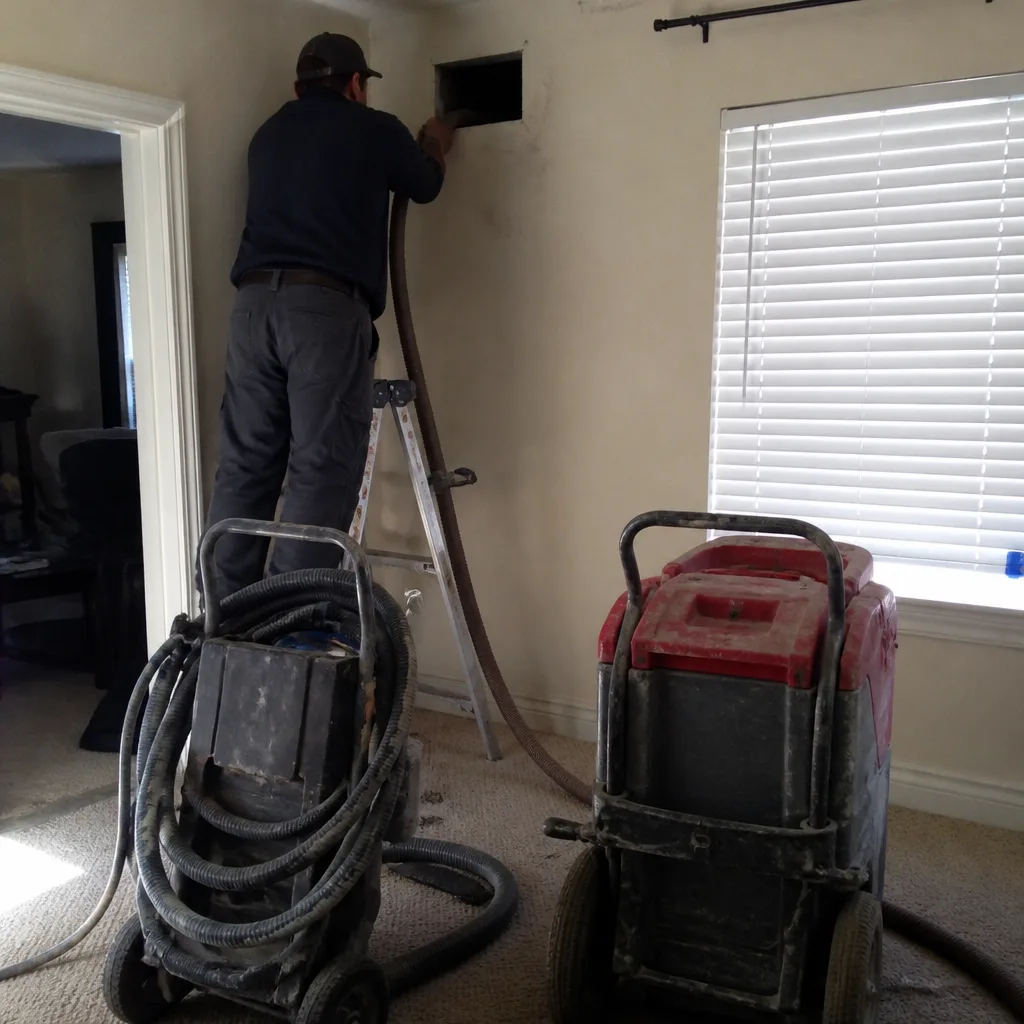
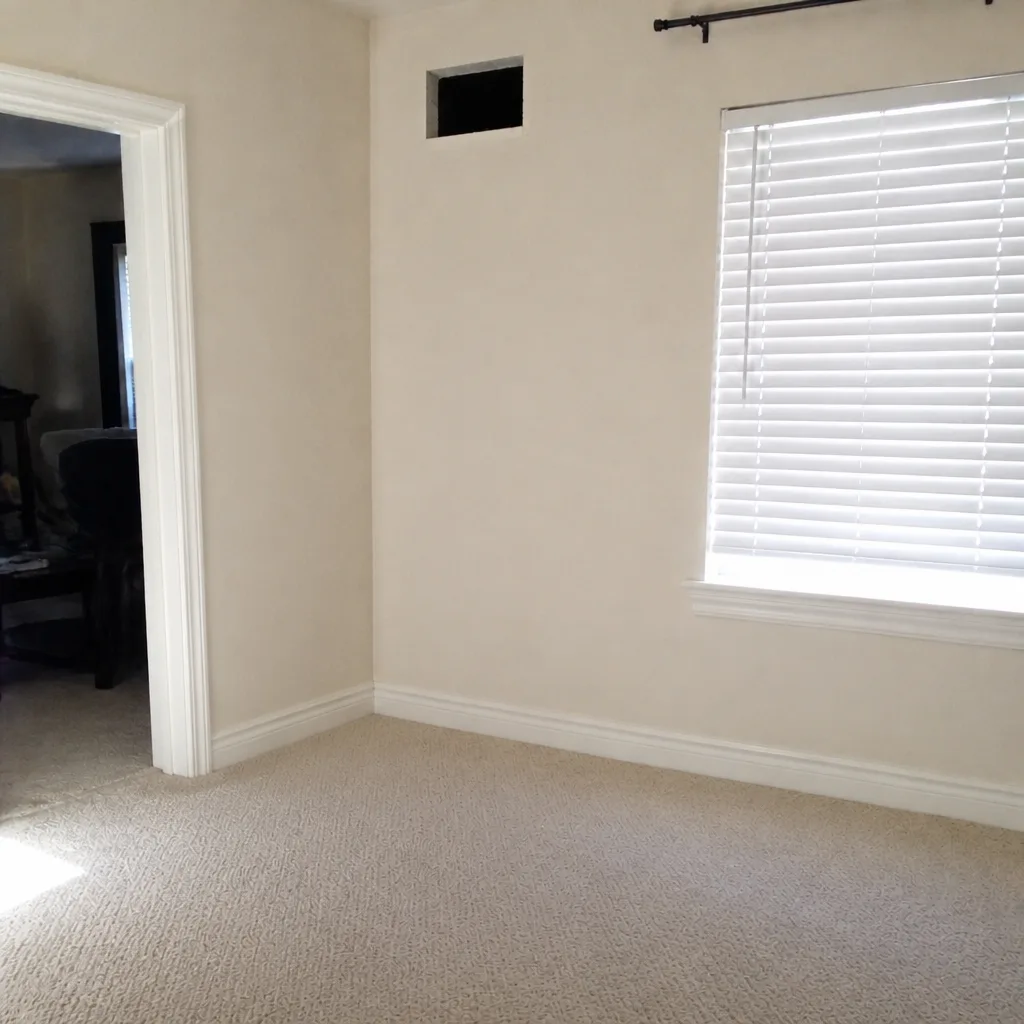
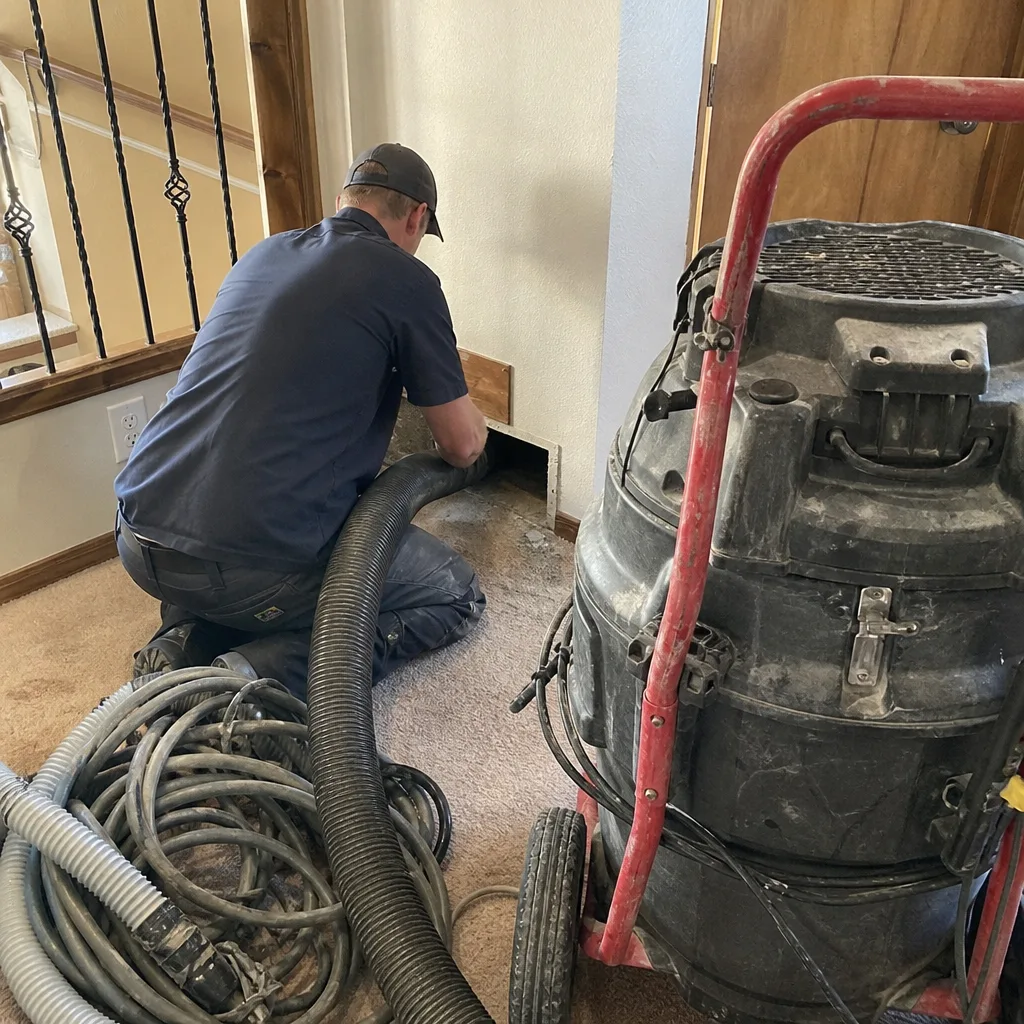
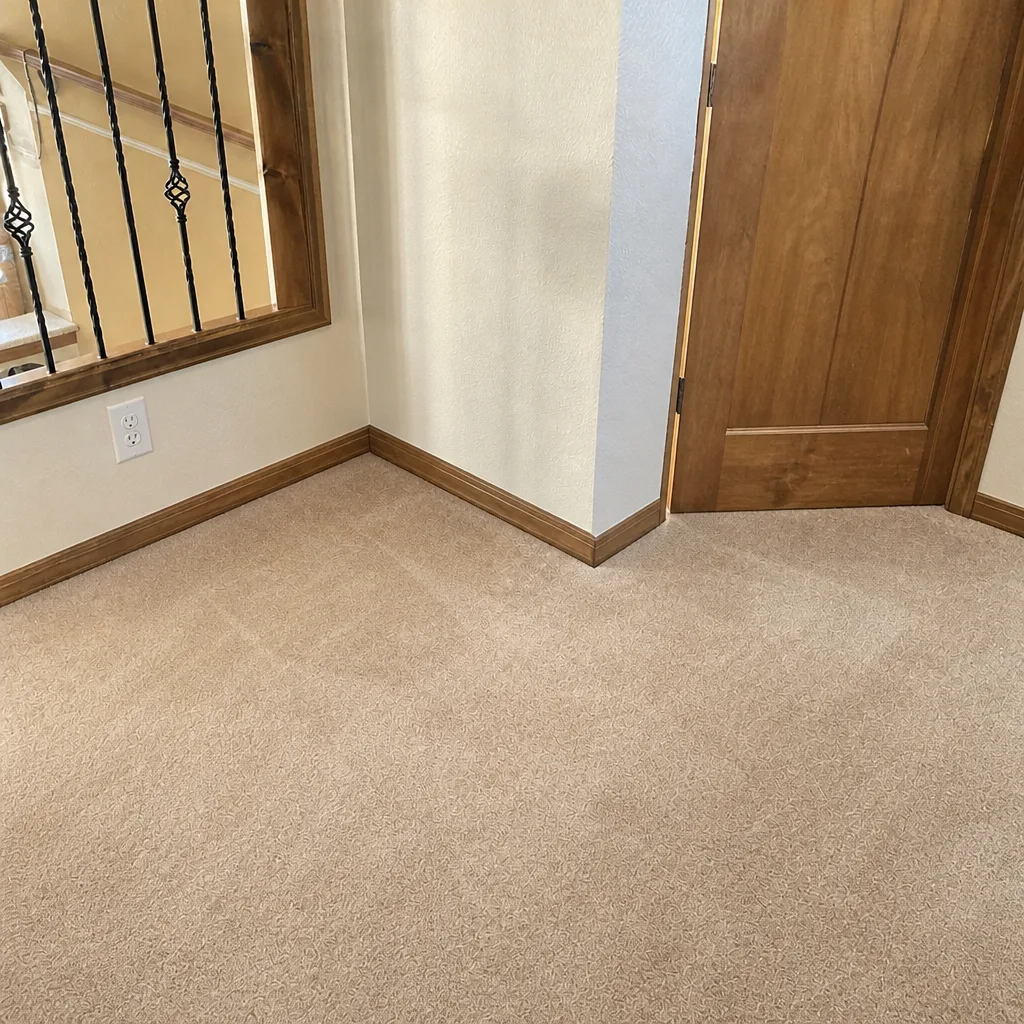
Whole-system duct and dryer vent check with before-and-after photos - you see exactly what came out of your vents
That "$99 whole-house special" is a bait ad - the real number appears once they are in your hallway, or the "clean" is a shop-vac at the register. We photograph the inside of your ducts before and after instead.
Air Duct Cleaning Cost Breakdown: The American Fork Homeowner’s Reference for 2026
A $250 duct cleaning and a $900 duct cleaning are not the same service with different markups. They are different jobs, done with different equipment, for different lengths of time, and aimed at different problems. Most homeowners compare duct cleaning quotes by the number at the bottom and assume everything above it is roughly equal. It isn’t. The $99 offer and the $1,200 full-system clean sit at opposite ends of a market that spans a factor of ten, and the gap is almost entirely about scope: how many access points get cut, how long the machine actually runs, whether the return side is touched at all, and whether anyone diagnoses the duct system before cleaning it. This guide breaks down what a legitimate full-system clean in American Fork costs in 2026, line by line, so you can read a quote and know exactly what you’re buying.
Quick Answer
Air duct cleaning in American Fork in 2026 typically runs $300 to $1,200 for a full-system clean, with most single-family homes landing between $450 and $750. The $99 to $199 tier buys a surface pass with limited access and no return-side work, while the $600 to $1,200 tier pays for a diagnosed, multi-point clean with negative-pressure containment, register pulls, and air handler attention. The written estimate you receive after an on-site assessment is the number that actually applies to your home.
Styles & brands we work with
- Whole-home duct cleaning
- Dryer vent cleaning
- Camera inspection
- Sanitizing & deodorizing
Table of Contents
- Why Duct Cleaning Quotes in American Fork Vary by a Factor of Ten
- A Line-by-Line Breakdown of a Full-System Clean
- What the $99, $400, and $1,000 Tiers Physically Buy
- Cost Factors Specific to American Fork Homes
- Legitimate Add-Ons vs. Upsells
- How to Audit a Contractor Using Their Own Quote
- Why Equipment Choice Shows Up in the Price
Why Duct Cleaning Quotes in American Fork Vary by a Factor of Ten
The duct cleaning market in American Fork spans roughly $99 to $1,500 for what is described, in every case, as “air duct cleaning.” That range isn’t a pricing disagreement. It’s a description problem. The same three words cover a fifteen-minute vacuum pass through the floor registers and a four-hour, multi-point job that includes containment, mechanical agitation of every trunk line, and a full air handler wipe-down. Those are different products that happen to share a name.
Here’s what actually drives the spread:
- Time on site. A $99 crew is in and out quickly. A full-system clean on a typical American Fork single-family home takes most of a day, sometimes two people for part of it. Labor is the single largest line in any honest quote.
- Access points. Every trunk line and every branch that gets cleaned needs an opening. More openings means more cutting, more sealing afterward, and more time. A quote that assumes two access points is quoting a different job than one that plans for eight.
- Containment. Negative-pressure setup with equipment from Abatement Technologies keeps dislodged debris from blowing back into your living space. It costs money to run and takes time to set up, and it’s one of the first things dropped from a cheap quote.
- Return side. The return plenum and the return trunks are the dirtiest part of most systems, because that’s where unfiltered air travels. Some low-tier quotes clean the supply side only and never mention the return.
- Diagnosis. A contractor who inspects the system first, finds disconnected flex runs or crushed sections, and prices around what they actually see is doing different work than one who quotes from a phone script.
None of this is a knock on price shopping. It’s a reason to shop on scope. When you compare two quotes for air duct cleaning in American Fork, compare what each one says about access points, containment, register removal, and the return side. That comparison tells you more than the totals do.
A Line-by-Line Breakdown of a Full-System Clean
This is what the work involves on a typical American Fork single-story home with a standard trunk-and-branch layout, and roughly how each component affects the total. Every home differs, which is why the on-site estimate matters more than any published range, but the components themselves don’t change.
1. Pre-clean inspection and access planning
Before anything gets cut or cleaned, the system gets mapped: where the trunks run, how many branches feed which rooms, where the air handler sits, and where the filter is. On older American Fork homes with flex duct that’s been added to or rerouted over the years, this step can take real time. Expect this to be part of any full-system quote rather than a separate charge.
2. Negative-pressure containment setup
A HEPA vacuum with negative-pressure containment is connected to the system so that the whole duct run is under suction while cleaning happens. This is the step that keeps debris out of your kitchen. It’s also equipment-intensive, and it’s the piece most often missing from bargain quotes.
3. Contact agitation of trunk and branch lines
Rotobrush contact cleaning means a rotating brush head physically travels the interior of each duct, loosening what’s stuck to the walls, while the vacuum pulls it out. Contact cleaning is slower than a straight air sweep because the tool has to make the full run. It’s also the only way to remove buildup that has bonded to the duct surface.
4. Register and grille removal
Supply registers and return grilles come off, get cleaned, and go back. On a typical American Fork home that’s a dozen or more pieces, each of which takes a few minutes. Some low-tier quotes leave registers in place and vacuum through them.
5. Return plenum and return trunk cleaning
The return side carries air back to the furnace before it’s filtered, which makes it the heaviest soil load in most systems. Cleaning it properly requires its own access and its own time.
6. Air handler cabinet cleaning
The cabinet around the blower and evaporator coil collects dust that the ducts then redistribute. A full-system clean includes wiping down the accessible interior of that cabinet. This is not HVAC repair or equipment service; it’s cleaning the air path.
7. Access sealing and final verification
Every opening gets sealed, the system gets a final check, and before-and-after photos document what was removed. Ask for those photos. Any contractor doing legitimate work will have them.
What the $99, $400, and $1,000 Tiers Physically Buy
Breaking the market into three bands makes it easier to see what each one can and cannot accomplish, given time and equipment.
The $99 to $199 band
This band buys a short visit with limited setup. Typically: one or two access points, a vacuum on the main trunk, air sweep through the branches, registers left on, return side skipped or given a token pass, no containment. Given the time involved, the crew physically cannot agitate every branch line, and there’s no room in the schedule for diagnosis. It can knock down loose surface dust. It will not remove bonded buildup, and it won’t find a disconnected flex run dumping air into a crawlspace.
The $300 to $500 band
This is where real cleaning starts, and it’s the band most American Fork homeowners end up in for a straightforward single-story home. Expect multiple access points, actual vacuum time on both supply and return, register removal, and some form of agitation. What varies here is depth: how many branch lines get contact-cleaned versus swept, and whether the air handler cabinet is included. Ask specifically.
The $600 to $1,200 band
Full-system work. Negative-pressure containment throughout, Rotobrush contact cleaning of trunk and branch lines, Nikro HEPA extraction, register and grille removal and cleaning, return plenum and trunk cleaning, air handler cabinet wipe-down, access sealing, and photo documentation. This is also the band where a contractor has time to diagnose the system and tell you what they found. Two-story homes, homes with long duct runs, and homes with both a furnace and a separate A/C air handler tend to land in the upper half of this range because there’s simply more duct to clean.
None of these bands is dishonest on its face. What’s dishonest is selling a $99 visit while implying it’s the $900 job. If a quote doesn’t state its scope in writing, it hasn’t told you which band you’re in.
Cost Factors Specific to American Fork Homes
American Fork sits in a high-desert valley where winters run cold and dry and summers push the A/C hard. That swing matters for ductwork. Heating seasons pull dry, dusty air through the return at volume, and cooling seasons condense moisture on cold coil surfaces. Homes here often show a heavier fine dust load than homeowners expect from a house that looks clean.
Beyond climate, several things about American Fork housing stock move the price:
- Single-story vs. two-story. A two-story home usually means longer trunk runs and more branch lines feeding upstairs rooms, which means more access points and more cleaning time.
- Crawlspace vs. slab. Ductwork running through a crawlspace is often easier to access for cleaning and repair than ductwork buried in or above a slab. Crawlspace runs also tend to collect more debris and are more prone to disconnected joints.
- Older flex duct systems. Flex duct that’s been added to, spliced, or rerouted over the years often needs extra access points just to reach every section. Sagging flex also traps debris where a straight run wouldn’t.
- Separate furnace and A/C air handler. Some American Fork homes run two separate air-moving units rather than a combined system. That doubles the cabinet cleaning and often requires cleaning two duct paths.
- Renovation dust. Drywall work sends fine gypsum dust through the entire air path and into the blower cabinet. Post-renovation cleans take longer because the load is heavier.
That’s why a quote given over the phone without square footage, duct count, or access questions is really just a placeholder. Our technicians have up to 13 years of experience, and the first thing any of them will tell you is that two houses on the same street can price differently once the duct layout is actually mapped.
Legitimate Add-Ons vs. Upsells
Add-on services get a bad reputation because some contractors attach the same three to every job regardless of what the ducts look like. The services themselves aren’t the problem. Whether they’re warranted is.
Duct sealing and repair: usually legitimate
If the inspection finds disconnected joints, torn flex, or gaps at the plenum, sealing those is fixing the reason the ducts got dirty in the first place. Cleaning a leaking duct system and leaving the leaks is like cleaning a room with the window open. This is a genuine repair, priced on its own, and worth doing when the inspection shows a need.
Mold treatment and sanitizing: sometimes legitimate
Microbial growth inside ducts needs moisture to establish, and it’s less common in American Fork’s dry climate than in humid regions. When it does show up, usually near a coil or after a moisture event, a Guardsman-grade sanitizing treatment applied after the physical clean makes sense. What doesn’t make sense is a sanitizing fog applied to every job as a matter of course, especially before the ducts have been physically cleaned, since a treatment over a dirty surface does little.
Filtration and purification upgrades: legitimate when matched to the system
Adding filtration or purification after a clean can be a real improvement, but only if the equipment suits the system and the household. Honeywell and Aprilaire make products that integrate with standard residential air handlers, and recommending one should follow a look at the system, not precede it. A UV light bolted onto every job isn’t an upgrade; it’s a line item.
The tells of an upsell
- The add-on is quoted before anyone has looked inside the ducts.
- The same package appears on every estimate the company writes.
- You’re told the treatment is required rather than shown why it applies to your system.
- The add-on costs more than the cleaning itself.
If you’re weighing a full-scope job, it helps to understand how air duct cleaning and sealing work together as one process rather than two separate purchases.
How to Audit a Contractor Using Their Own Quote
A quote tells you a lot about the company that wrote it, before you ever let them in the door. Use these steps as a filter.
- Check whether the quote is home-specific. Does it mention your square footage, your duct count, or how many access points they plan? If not, it’s a placeholder, and a placeholder price tends to change once the technician is standing in your hallway.
- Look for what’s excluded. A legitimate quote names the return side, the air handler cabinet, and register removal if they’re included. What isn’t named usually isn’t happening.
- Ask about access points in writing. “How many openings will you cut, and how will you seal them?” A vague answer here means the plan hasn’t been thought through.
- Confirm the flat price. The best protection against the bait-and-switch reputation this industry carries is one flat price per system, agreed before any work starts. No per-vent pricing, no surprise additions mid-job.
- Ask for before-and-after photos of your own ducts. Not stock images. Yours. Any contractor doing real work will have no trouble providing them.
- Ask what equipment they run. Rotobrush, Nikro, and Abatement Technologies are names you can look up. A generic “professional equipment” answer tells you less than a specific one.
- Check the license and insurance status of the local pro. The local professional we connect you with is licensed and insured as their state requires. Ask to see it.
One more audit trick: ask what they’d do differently for a two-story home versus a single-story. A contractor who’s actually mapped duct systems in American Fork will answer immediately. Someone reading from a script won’t.
Why Equipment Choice Shows Up in the Price
Equipment is where a lot of the price difference lives, and it’s the hardest thing to evaluate from the outside because every company claims to have the good stuff. Here’s what the names actually mean.
Rotobrush is a contact cleaning system: a rotating brush on a flexible shaft that physically travels the inside of the duct. It’s slower than air sweeping and it’s the only method that reaches bonded buildup. Nikro HEPA extraction is the vacuum side, pulling dislodged material into a filtered collection unit rather than redistributing it. Abatement Technologies equipment provides the negative-pressure containment that keeps the whole system under suction during cleaning, which is standard practice in professional remediation work. We use the same equipment trusted by professional remediation contractors, because duct cleaning is a containment problem as much as a cleaning problem.
Consumer-grade vacuums and basic brush kits can’t hold negative pressure on a full residential system, and that limits what a bargain crew can physically accomplish regardless of how hard they work. When you’re comparing quotes, ask what machine will be connected to your system and what containment is going on it. The answer explains a large part of the price gap.
The same logic applies across the full air path. If you’re having the ducts done, it’s worth understanding how HVAC cleaning covers the blower and coil side, and how dryer vent cleaning addresses a separate fire-risk line that many duct cleaners don’t handle at all. American Fork Air Duct Cleaning covers all three because a clean duct system connected to a dirty air handler and an unmaintained dryer vent is only partially addressed.
Common Mistakes to Avoid
- Booking on the coupon price alone. A $99 headline tells you the scope of a $99 job, not the scope of a full-system clean. Ask what’s included before you book, not after the technician arrives.
- Comparing totals instead of scopes. Two quotes at $400 and $700 can describe completely different work. Compare access points, return-side cleaning, containment, and register removal line by line.
- Skipping the return side. Some low-tier quotes clean supply runs only. In most American Fork homes the return plenum carries the heaviest dust load, so a supply-only clean leaves the dirtiest section untouched.
- Accepting a sanitizing fog before the physical clean. Treatment applied over a dirty duct surface doesn’t accomplish much. Cleaning comes first, treatment follows if it’s warranted.
- Not asking about access points. Extra openings in older flex systems are normal, and a quote that doesn’t plan for them will either skip sections or add cost later.
- Ignoring disconnected or crushed flex. Cleaning a duct system with a disconnected run in a crawlspace means cleaning ducts that aren’t actually delivering air to the rooms. Diagnosis should come before cleaning.
- Never asking for photos. Before-and-after photos of your own ducts are the simplest proof that the work happened. A contractor who can’t produce them is telling you something.
See the difference
 Before
 After
 Before
 After
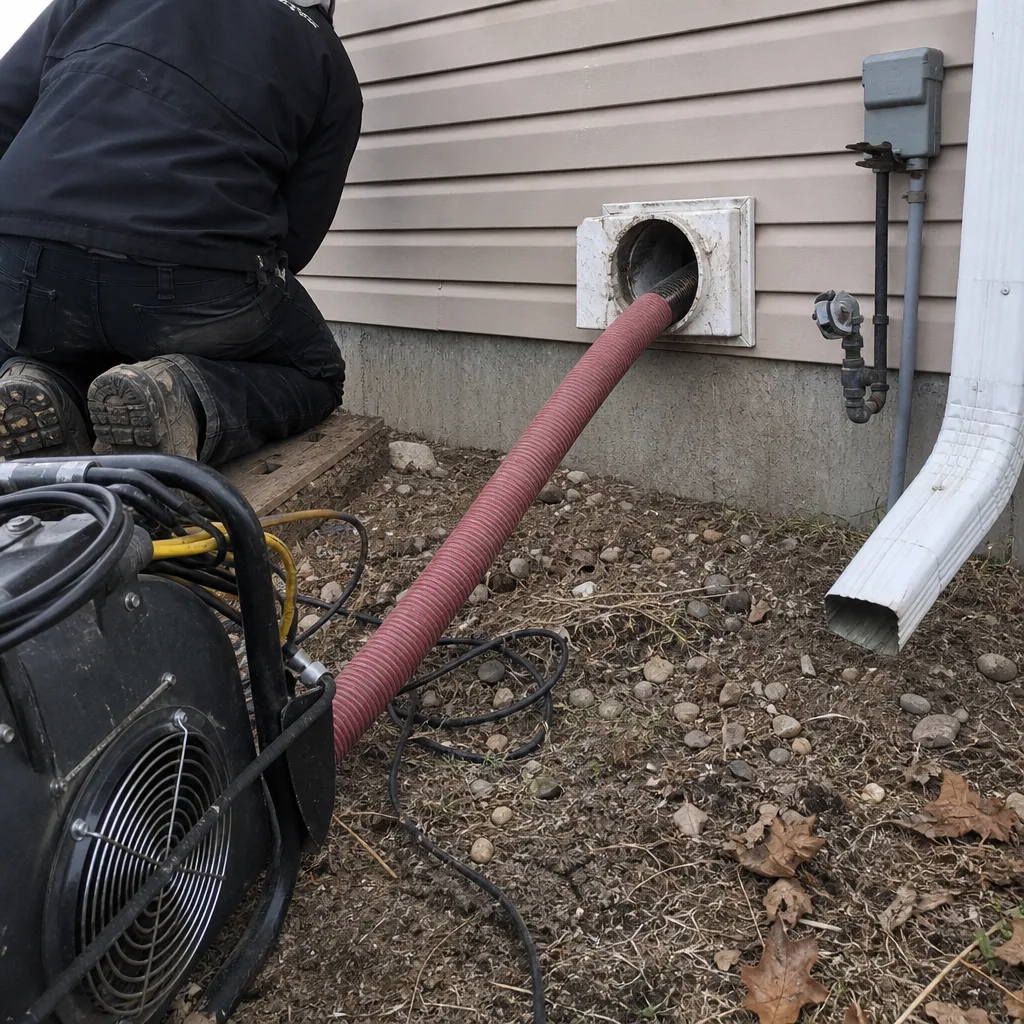 Before
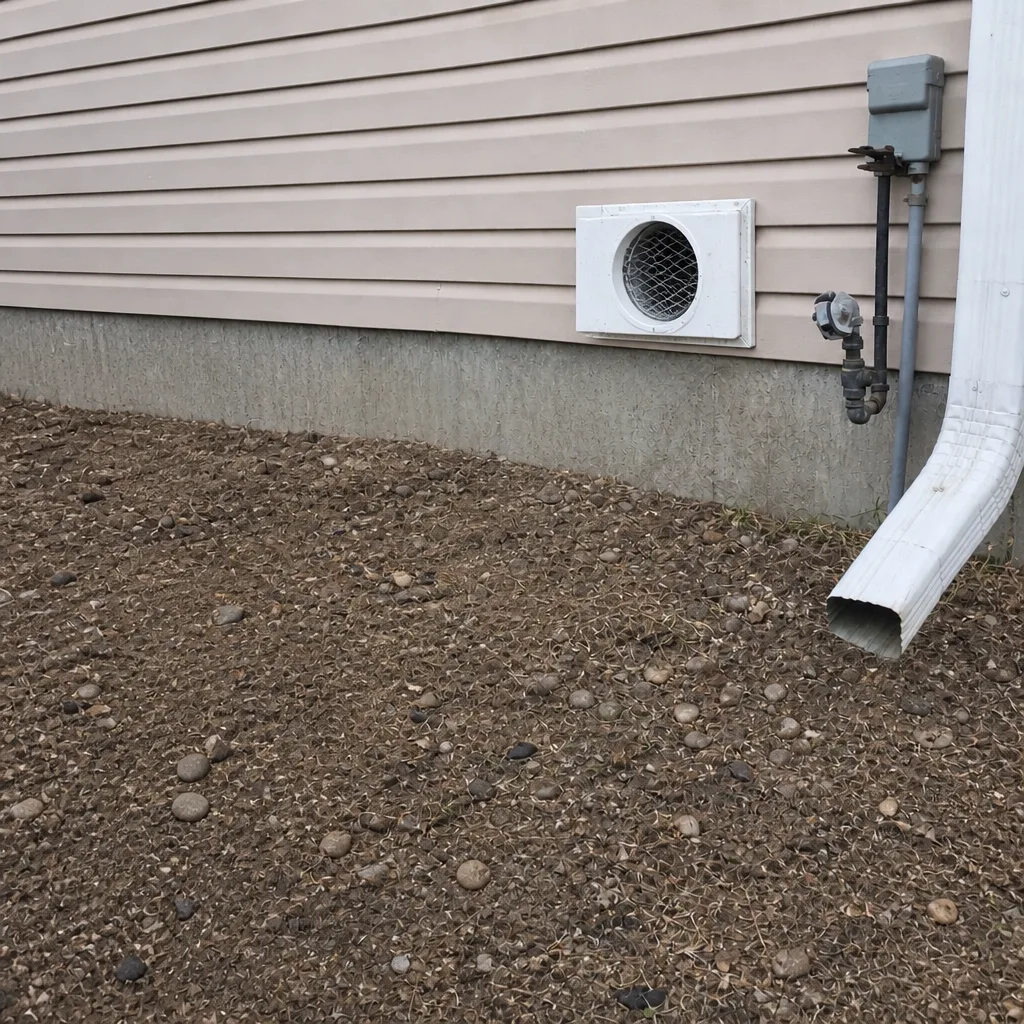 After
When to Call a Professional
Some situations call for a professional look rather than another season of waiting. If anyone in the house has allergies or asthma that worsen when the heat or A/C runs, if you’ve just finished a renovation that generated drywall dust, if you’ve moved into an older American Fork home with an unknown duct history, or if the system is noisy, uneven room to room, or visibly dusty at the registers, it’s worth having the air path inspected. Visible debris around supply registers, musty odors when the blower starts, or a dryer that takes two cycles to finish are all reasons to call.
American Fork Air Duct Cleaning offers free estimates in American Fork. Call (833) 918-6290. We answer 24/7. Fast dispatch from 7am to 7pm, Sunday through Friday. The estimate is free, the price is set per job by the written estimate, and you’ll know the scope before anything starts.
Frequently Asked Questions
Most American Fork homeowners pay between $450 and $750 for a full-system clean in 2026, with the wider range running $300 to $1,200 depending on home size, duct count, and how many access points the job requires. Two-story homes and homes with separate furnace and A/C air handlers tend to sit at the higher end because there’s more duct to reach and clean. Call (833) 918-6290 for an exact quote. Estimates are free.
Because they’re quoting a different job. A $99 to $199 quote usually means one or two access points, no negative-pressure containment, registers left in place, and no return-side work, which is not the same service as a full-system clean. The low price isn’t a discount on the same work; it’s the price of a surface pass. Ask any contractor to state their scope in writing and the comparison gets clear fast.
Ask for before-and-after photos of your own ducts, taken during the job. Any contractor doing legitimate full-system work will have no trouble producing them, and the photos should show the interior of your trunk and branch lines, not generic marketing images. Combined with a written scope agreed before the work starts, photos are the simplest proof available. Call (833) 918-6290 if you’d like to see what our documentation looks like.
For most American Fork homes, every three to five years is a reasonable interval, but the honest answer depends on the house. Homes with pets, recent renovations, allergy sufferers, or older flex duct systems often need it sooner. Homes with a well-sealed system and clean filters can stretch longer. The right time is when the inspection shows accumulation, not when a calendar says so.
Yes, in two ways. The dry, dusty heating season pulls fine particulate through the return at volume, and the long cooling season keeps the coil and air handler damp enough to collect dust that the ducts then distribute. That combination tends to build soil load faster here than in mild coastal climates. Homes near active construction or with long crawlspace duct runs tend to see it first.
When the inspection finds disconnected joints, torn flex, or gaps at the plenum, yes. Sealing those leaks fixes the reason the ducts collected debris in the first place, and it improves delivery to the rooms as a side effect. When the ducts are tight and well-connected, sealing isn’t warranted and a legitimate contractor will tell you so. Call (833) 918-6290 and ask what the inspection actually showed.
The Bottom Line
Duct cleaning pricing in American Fork spans a factor of ten because the services behind those prices are categorically different. The $99 tier is a surface pass with limited access; the $400 tier is real cleaning with variable depth; the $600 to $1,200 tier is a diagnosed, full-system job with containment, contact agitation, register pulls, return work, and air handler attention. Add-ons like sealing, sanitizing, and filtration upgrades are legitimate when the inspection supports them and upsells when they show up on every estimate unexamined. The most useful tool you have is a written quote that names your square footage, duct count, and access points, and pairs one flat price per system with before-and-after photos. That’s a quote you can actually compare.
If you’d like a scope-specific estimate rather than a phone-script number, call American Fork Air Duct Cleaning at (833) 918-6290. We answer 24/7. Fast dispatch from 7am to 7pm, Sunday through Friday. Estimates are free, and you’ll know exactly which tier of work your home actually needs before you commit to anything.
For a broader look at the full range of services we cover in American Fork, start with American Fork Air Duct Cleaning.
Written by the team at American Fork Air Duct Cleaning.