
Last updated November 24, 2026
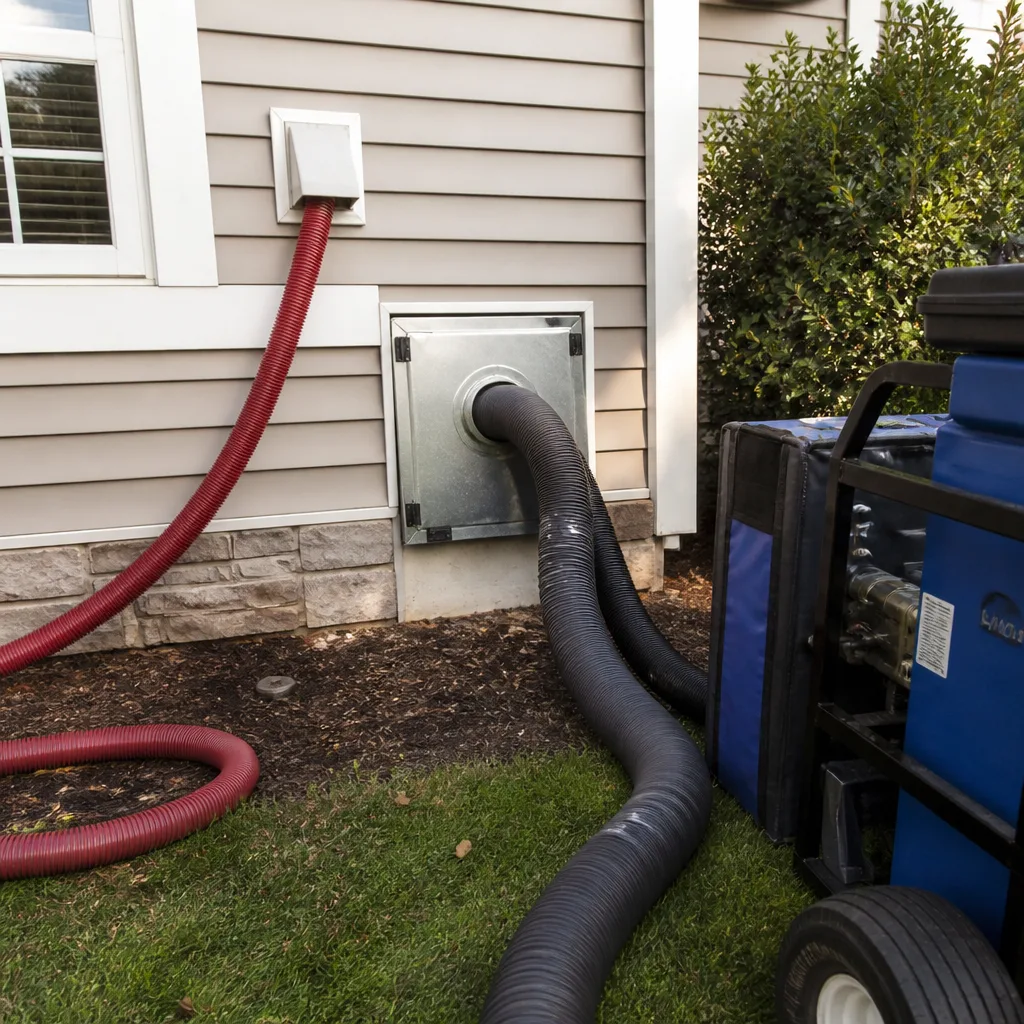 Whole-home duct cleaning
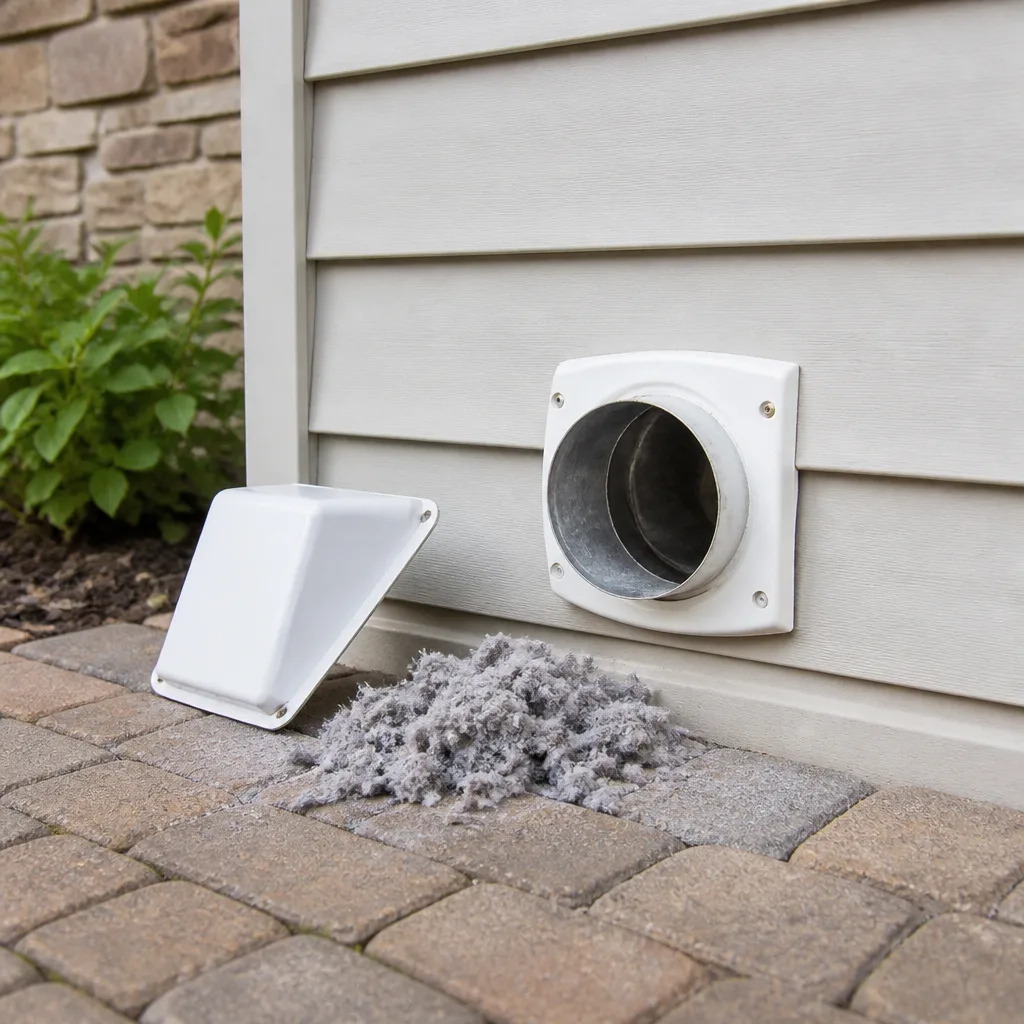 Dryer vent cleaning
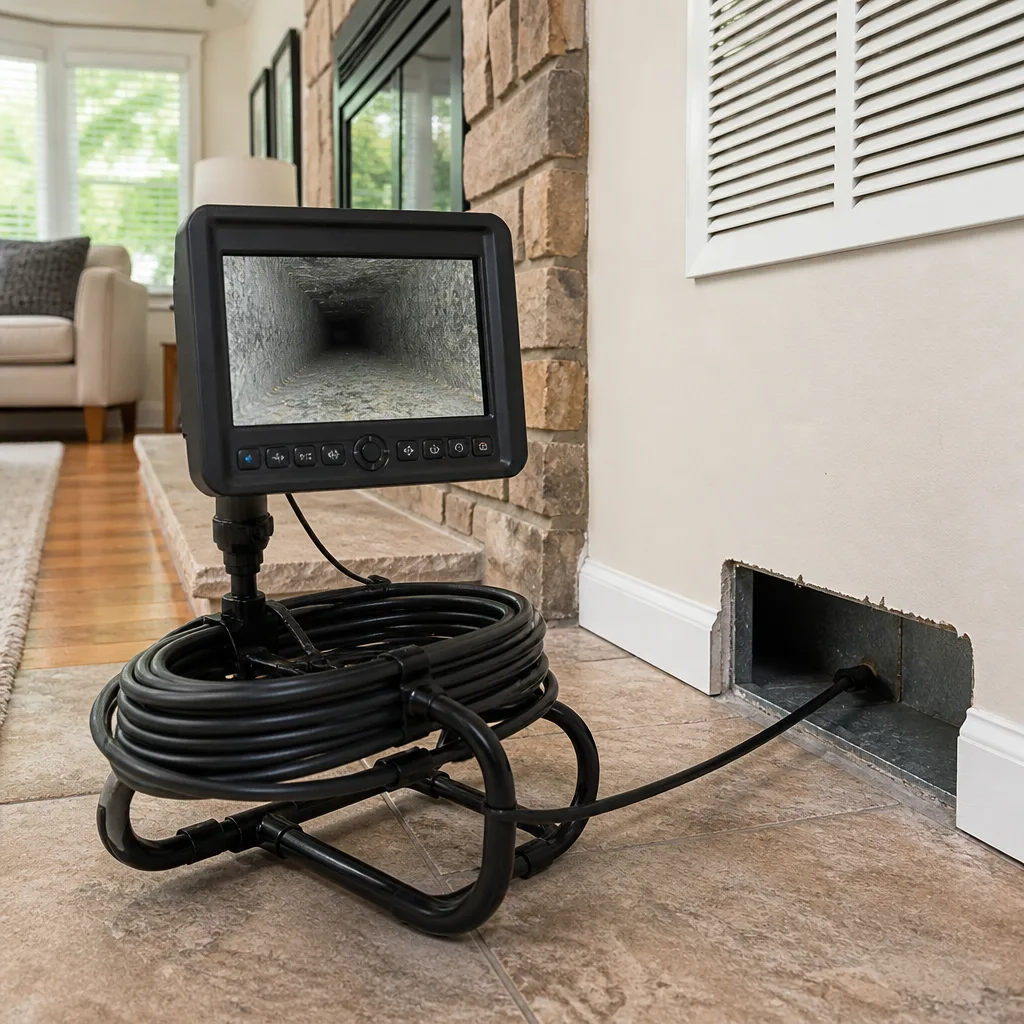 Camera inspection
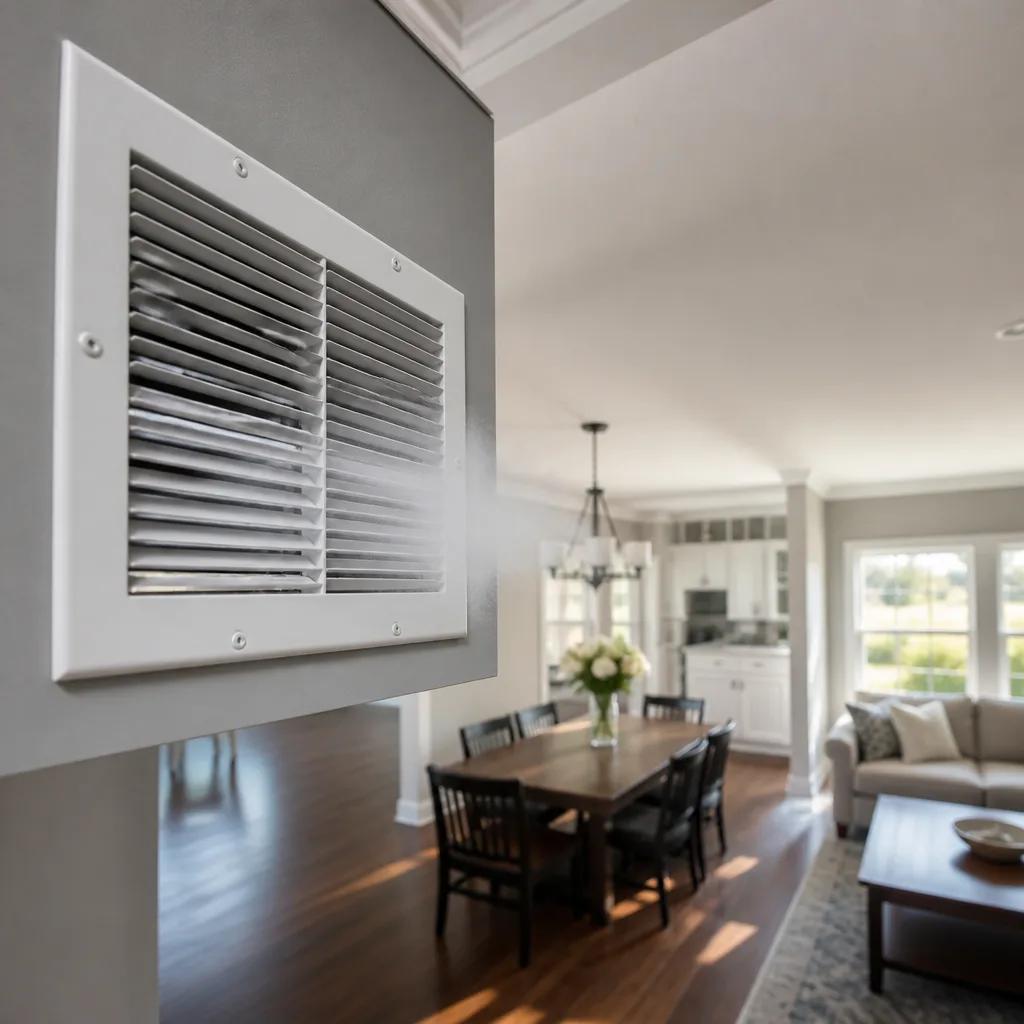 Sanitizing & deodorizing
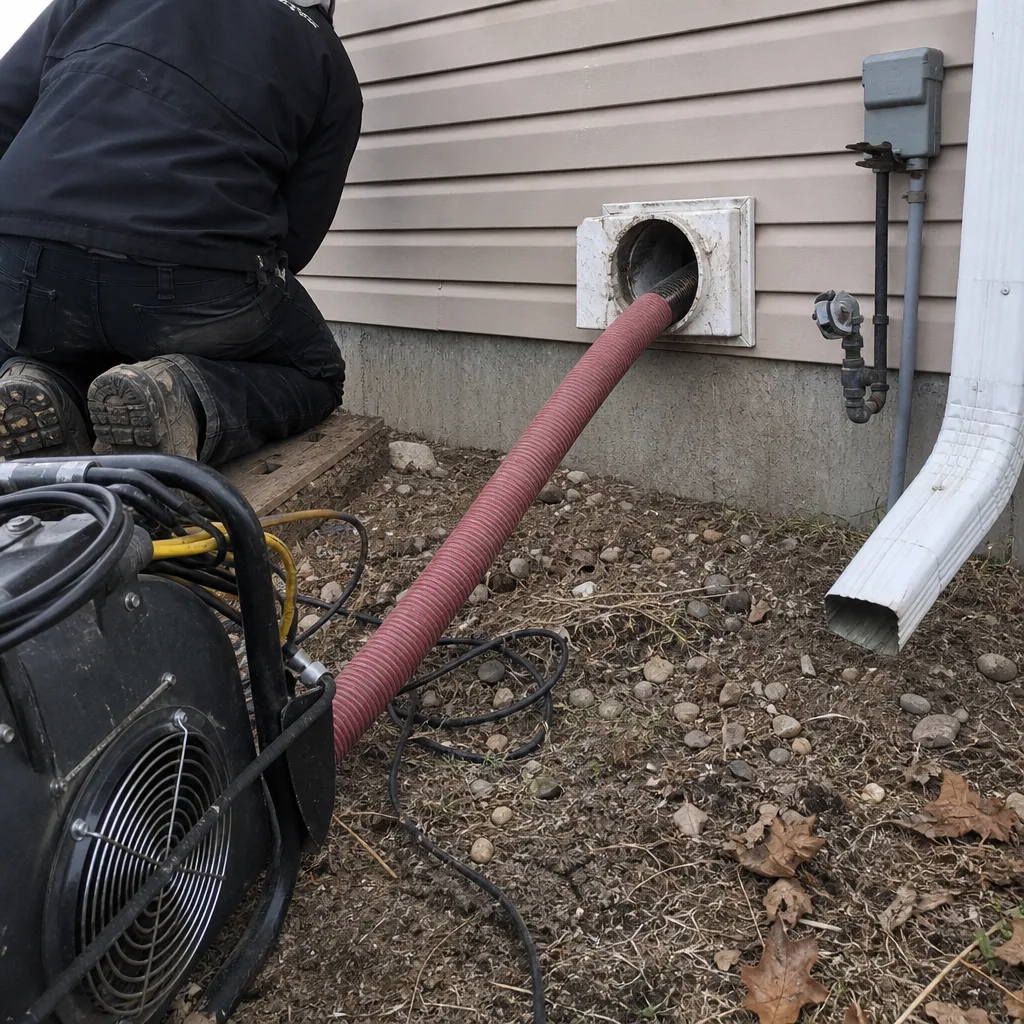
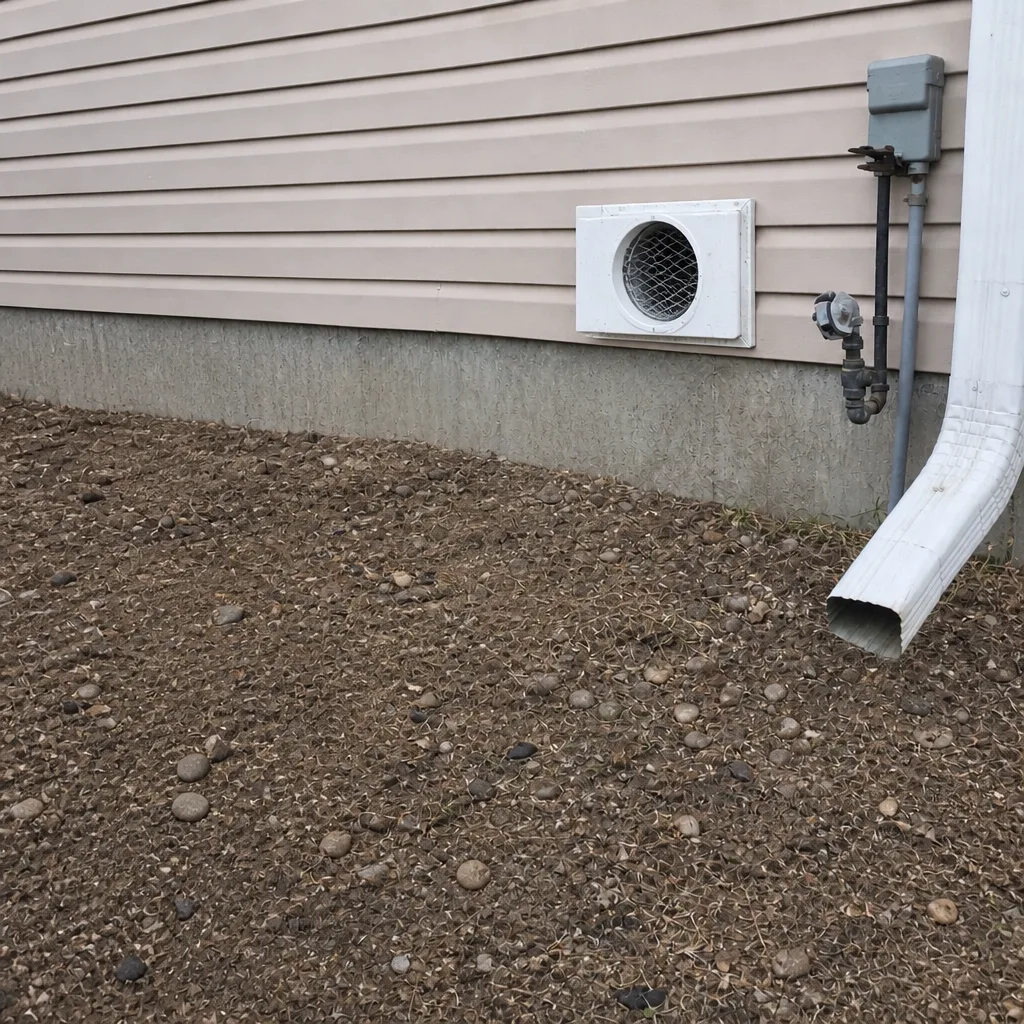
Whole-system duct and dryer vent check with before-and-after photos - you see exactly what came out of your vents
That "$99 whole-house special" is a bait ad - the real number appears once they are in your hallway, or the "clean" is a shop-vac at the register. We photograph the inside of your ducts before and after instead.
Air Duct Cleaning Emergency Preparedness Guide for American Fork Homes
Most American Fork families have a 72-hour kit, a meeting spot, and a plan for the big earthquake everyone talks about. Very few have a plan for what happens to their ductwork in the weeks after. That’s the gap this guide fills. The smoke, dust, insulation fibers, and flood silt that arrive after a disaster don’t leave when the fire is out or the water recedes – they settle into the air path, and every time the furnace kicks on they get pushed back into the rooms where your family sleeps. We’ll walk through the three emergencies most likely to hit ductwork in American Fork, the first 72 hours, how to document contamination for an insurance claim, and how to prep your system before anything happens. Some of this you can do yourself. The rest takes professional-grade equipment.
Quick Answer
After a wildfire smoke event, flood, or structural disturbance in American Fork, shut off your HVAC system, photograph and document the conditions, upgrade to a high-MERV filter if the system can handle it, and call a duct cleaning contractor before you run the system again. Most emergency-related duct contamination is fully resolvable, but only if it’s addressed in the first few weeks – not months later after the material has been recirculated through every room in the house.
Styles & brands we work with
- Whole-home duct cleaning
- Dryer vent cleaning
- Camera inspection
- Sanitizing & deodorizing
Table of Contents
- The Three Emergencies That Actually Contaminate American Fork Ductwork
- The 72-Hour Post-Event Protocol
- Wildfire Smoke: What Settles and What Stays
- Seismic Events and the Hidden Duct Problem
- Flash Flooding and Crawlspace Homes Near the Provo River
- Documenting Duct Contamination for Insurance
- Pre-Emergency Duct Documentation You Should Have Today
- Cleaning Job vs. Remediation Project
The Three Emergencies That Actually Contaminate American Fork Ductwork
American Fork sits in a bowl. Utah Valley traps air, and what gets trapped in the air eventually gets trapped in your ducts. That’s the frame for everything below.
Wildfire smoke. When fires burn in the mountains above the valley or along the Traverse Ridge area, smoke particulate has a way of finding its way into every home that isn’t sealed to a laboratory standard. The particle size most harmful to lungs – the fine fraction – is also the fraction that settles into duct interiors and clings to insulation lining. HEPA filters on your furnace help, but they don’t clean the ducts themselves, and they’re not designed to remove already-deposited material.
Seismic events. The Wasatch Front has a well-documented seismic risk, and a significant shake does something subtle: it dislodges attic insulation, drywall dust, and construction debris that has been sitting in the duct system or on top of it. It also opens small gaps at joints and seams. That material gets pulled into the airstream the first time the system runs, and it recirculates for months.
Flash flooding. American Fork has crawlspace-foundation homes, particularly closer to the Provo River corridor and older neighborhoods around the historic downtown grid. A flash flood event that pushes water into a crawlspace can wick moisture into duct runs, insulation wrap, and sheet metal seams. Wet ductwork becomes microbial growth territory fast – typically within 48 to 72 hours – and running the system after a flood can multiply the problem across the entire house.
Each of these events leaves different residue. Each one calls for a different response. A one-size-fits-all duct cleaning won’t be enough for any of them.
The 72-Hour Post-Event Protocol
The first three days after an emergency event matter more than the next three months. Here’s what we tell American Fork homeowners to do, in order, before they call us.
- Shut the system off. Turn off the thermostat and the air handler breaker. If you run the system while smoke or debris is in the return air, you’re spreading contamination to every room. This is the single most important step.
- Photograph and document. Take photos of visible smoke residue on windowsills, furniture, and floors. Photograph the return air grilles before you touch them. Note the date and time of the event. If your home has a visible ash layer, save a small sample in a sealed bag – insurance adjusters respond to evidence.
- Replace your filter. Put in the highest-MERV filter your system manufacturer allows. Most residential systems max out at MERV 13, and going higher without checking static pressure can strain the blower. If you’re not sure, MERV 11 is the safe middle ground for most American Fork homes.
- Seal return air returns you don’t need to use. Tape plastic sheeting over return grilles in rooms you’re not actively using, so the HVAC system isn’t pulling from a contaminated space when you do restart it.
- Call before you run the system again. A professional can assess the contamination and tell you whether the system is safe to operate, or whether it needs cleaning first. This is not a step to skip.
If you’re in a flood situation, add a step: dry the crawlspace as fast as possible. Industrial fans and dehumidifiers, not a shop vac on the ducts. Vent fans in the middle of a flood cleanup do more harm than good if debris is loose.
Wildfire Smoke: What Settles and What Stays
Wildfire smoke isn’t one thing. It’s a mixture of gases, ash, charred material, and ultrafine particles that behave very differently in a duct system. The ash is what you see. The ultrafine particles are what you don’t. Both end up in the return air side of the system first, then in the supply trunks, then in the branch runs that feed individual rooms.
Two questions come up from American Fork homeowners after every smoke event:
Does my filter catch it? Partly. A MERV 13 filter catches most of the visible ash. It does not catch the fine fraction that’s already past the filter, and it doesn’t clean what’s already clinging to the duct walls. The filter is a trap, not a vacuum cleaner.
Will running the system clear it out? No. Running the system spreads it. Every cycle pushes air through contaminated runs and back out into the room. A smoke-damaged system that runs for a month smells like smoke for a year.
What actually resolves wildfire smoke in a duct system is contact cleaning – a mechanical brush or air whip physically agitating the duct interior while a HEPA vacuum under negative pressure pulls the dislodged material out. This is where the equipment matters. We run Rotobrush contact cleaning systems and Abatement Technologies negative-pressure containment because consumer-grade vacuums and basic brush kits don’t create the negative pressure needed to capture fine smoke particles. The material just goes back into the air the moment the seal on the return is broken.
After the clean, a sanitizing treatment helps. Guardsman-grade treatments applied post-clean help inhibit microbial regrowth in ducts that have pulled in smoke and moisture together – which happens more often than people expect after a summer fire season followed by a fall rain.
If you’re trying to figure out where to start, our air duct cleaning page walks through the sequence – diagnosis, cleaning, sealing, and treatment.
Seismic Events and the Hidden Duct Problem
The Wasatch Front fault system is one of the most active seismic zones in the country, and American Fork sits squarely in it. We’re not here to alarm anyone. We are here to point out the specific duct problem that follows a significant shake, because it’s the one almost nobody plans for.
When the ground moves, so does everything attached to it. In a home with attic ductwork – which describes a large share of American Fork’s older housing stock – a moderate shake dislodges:
- Loose-fill attic insulation that has blown against the duct runs
- Drywall dust and joint compound residue from any past renovation
- Dust accumulated on top of the duct sheet metal
- Debris sitting inside the air handler cabinet
None of that is a problem while it sits still. The problem starts the first time the furnace runs and pulls the loosened material into the return air. From there it goes into every supply trunk and every branch line. If you’re a family that’s already dealing with earthquake anxiety, adding an invisible contamination problem to the list isn’t helpful – but understanding it is. The fix is straightforward: a duct system inspection and cleaning after a significant shake, before the system runs again.
What makes this different from a standard cleaning: we’re looking for gaps and separations at joints and seams that opened during the event. That’s why our service includes Duct Repair & Sealing. Cleaning without sealing just means the same leaky joints will let the next batch of contamination in. Our American Fork air duct cleaning service covers the repair and seal step as part of the same visit when the inspection shows it’s needed.
Flash Flooding and Crawlspace Homes Near the Provo River
American Fork straddles some interesting terrain. The Provo River corridor runs through the area, and a lot of the older housing stock near it sits on a crawlspace foundation rather than a slab. That construction detail matters more than most homeowners realize when it comes to flood risk to ductwork.
A crawlspace foundation puts the duct runs – or at least some of them – in a semi-conditioned space that can flood without you noticing inside the house. Water wicks into flex duct insulation, into the seams of sheet metal, into the boots at every register. If the floodwater carries silt – which it almost always does – that silt settles into the duct interior and dries into a fine, dusty coating that recirculates every time the system runs.
The moisture is the bigger issue. Within 48 to 72 hours of a crawlspace flood, wet duct insulation becomes a microbial growth environment. HVAC systems that run during that window distribute spores to every room.
What to do:
- Stop running the HVAC system immediately. Turn off the breaker.
- Get water out of the crawlspace. Industrial dehumidifiers and fans, not a household fan.
- Inspect duct runs that were in or near the flooded area. Look for visible water staining, sagging insulation, and loosened wrap.
- Call a duct cleaning professional to assess whether the affected runs need cleaning, drying and treatment, or replacement if the damage is more significant.
American Fork homeowners in the older grid near the downtown area tend to have shorter duct runs than newer builds on the east side, which is good news – the cleaning and drying process is usually faster. Newer construction out toward the foothills usually has longer attic runs, which means more square footage of duct interior to inspect after a water event.
Documenting Duct Contamination for Insurance
This is the section most homeowners wish they’d read before their claim was denied. Standard duct cleaning invoices are frequently insufficient to support a duct contamination claim. Insurance adjusters want specific evidence, and the cleaning company that shows up with a shop vac won’t produce it.
What you actually need for a claim:
- Before photos of every return grille, taken before the cleaning starts, with a date and time stamp.
- Photos of the duct interior, taken with a camera on an articulated probe (which is standard on professional duct cleaning inspections).
- A written assessment from a qualified contractor, describing what was found, where it was found, and how it’s classified – routine dust versus smoke residue versus microbial growth versus flood silt.
- Air quality readings before and after cleaning, if you’re claiming a health-related reason for the service.
- Before-and-after photos of your own ducts, not the stock photos that some companies use – and the same photos sent with the invoice.
- The invoice broken down by service, not one lump sum. Duct cleaning, sanitizing treatment, and any repair are separate line items.
What we do differently on insurance-related cleanings: the invoice we write is documented thoroughly, with before-and-after photos of the ducts we worked on, a written description of what was removed, and the equipment used. If you’re working with your insurer, we can help you assemble the documentation your adjuster needs. We don’t bill the insurance company directly, but we make sure everything you need is in your hands before we leave.
One more thing. If you call a cleaning company on your own and pay out of pocket, the invoice is still useful for reimbursement. So is the documentation. Ask for both, even if you’re not filing a claim yet.
Pre-Emergency Duct Documentation You Should Have Today
The cheapest and most effective thing you can do is document your duct system before anything happens. It takes an hour or two and costs nothing. Then, when the emergency arrives, you’re not scrambling to remember what your system looked like and when it was last serviced.
Here’s what to put together and keep somewhere in the cloud – not on a hard drive that could be in the same house when the earthquake hits:
- Photos of every air register and return grille, taken from a normal viewing distance and up close. Label each one with its room.
- Photos of the air handler, including the model and serial number plate. Same for any in-line filters or central humidifiers.
- A simple system diagram – sketch the layout of supply trunks, branch runs, and returns. It doesn’t have to be architectural. A hand drawing with room names is enough.
- Records of past cleaning and service, including dates and any photos provided by the contractor. If your last cleaning was documented with before-and-after photos, save those.
- Your filter specifications – the MERV rating, dimensions, and brand that your system is calibrated for.
- The contractor you plan to call. Keep the name and phone number in your emergency plan, the same way you’d keep a plumber or an electrician.
This documentation is also what separates a fast insurance claim from a slow one. An adjuster who receives before-photos, system specifications, and a written contractor assessment is processing a claim. An adjuster who receives a phone call and an estimate is processing an investigation.
Cleaning Job vs. Remediation Project
Most duct cleaning is routine maintenance – remove dust, sanitize, done. Some duct contamination is a remediation project – different scope, different equipment, sometimes different regulatory considerations. Knowing which one you’re dealing with saves time and money.
A cleaning job is what you schedule when the ducts have accumulated normal dust, when a light smoke event has passed, or when a system hasn’t been serviced in a while. Standard Rotobrush contact cleaning, HEPA extraction, sanitizing, and a filter change.
A remediation project is what you may be facing when:
- Water has entered duct runs, or visible microbial growth is present inside the system. In Utah County, remediation contractors handle this work under a scope that may include drying the system first, then cleaning and sanitizing. We’ll tell you plainly if your situation looks like this.
- Significant smoke residue has penetrated duct insulation – char smell inside the ducts that persists after cleaning is an indicator.
- A structural event (earthquake, fire, major renovation) has introduced construction debris or insulation into the air path in volumes a duct cleaning can’t handle.
- You’re filing a claim, and the insurer requires a formal remediation scope with an independent assessment.
When a project crosses into remediation, the equipment matters even more. Abatement Technologies negative-pressure containment is the standard, and Nikro HEPA extraction systems are built to handle the volumes involved. Most consumer-facing duct cleaners don’t carry this gear because they don’t do remediation.
If you’re not sure which side of the line your situation falls on, call us and we’ll tell you. It’s a short conversation and it’s usually free. We answer 24/7 at (833) 918-6290.
Common Mistakes to Avoid
- Running the HVAC system during a smoke event. This is the mistake most American Fork homeowners make after a wildfire smoke event in the valley. Turn the system off first, document, then decide what to do next.
- Assuming a filter is enough. A filter catches particles at the filter. It doesn’t clean what’s already past it or inside the ducts. If the system has already drawn smoke or debris in, the filter is not solving the problem.
- Waiting months to schedule the cleaning. Contamination that sits in a duct system does not improve with time. In a smoke event, the sooner the cleaning happens, the less material settles into insulation. In a flood event, waiting creates a microbial growth situation.
- Using a shop vac on the ducts. Shop vacuums don’t have the negative pressure to capture fine particulate, and they can distribute more contamination than they remove. You need HEPA extraction and negative-pressure containment or you’re moving the problem around the house.
- Skipping the repair step. A leaking joint or a separated section in the duct system is the reason contamination will return. Cleaning without repair and sealing on an older American Fork home with attic runs leaves the same entry point for the next event.
- Not taking photos. If you’re filing a claim, before photos are the difference between a smooth claim and a denied one. Take them yourself if you haven’t called yet, and ask your contractor to provide before-and-after photos of the actual ducts worked on.
- Forgetting the dryer vent. Dryer vents are a fire risk, not just an efficiency issue. American Fork homeowners who schedule air duct cleaning after an event often forget the dryer vent, which collects lint – and in a wildfire smoke event, the dryer vent pulls smoke into the house along with any lint fire risk that was already there.
See the difference
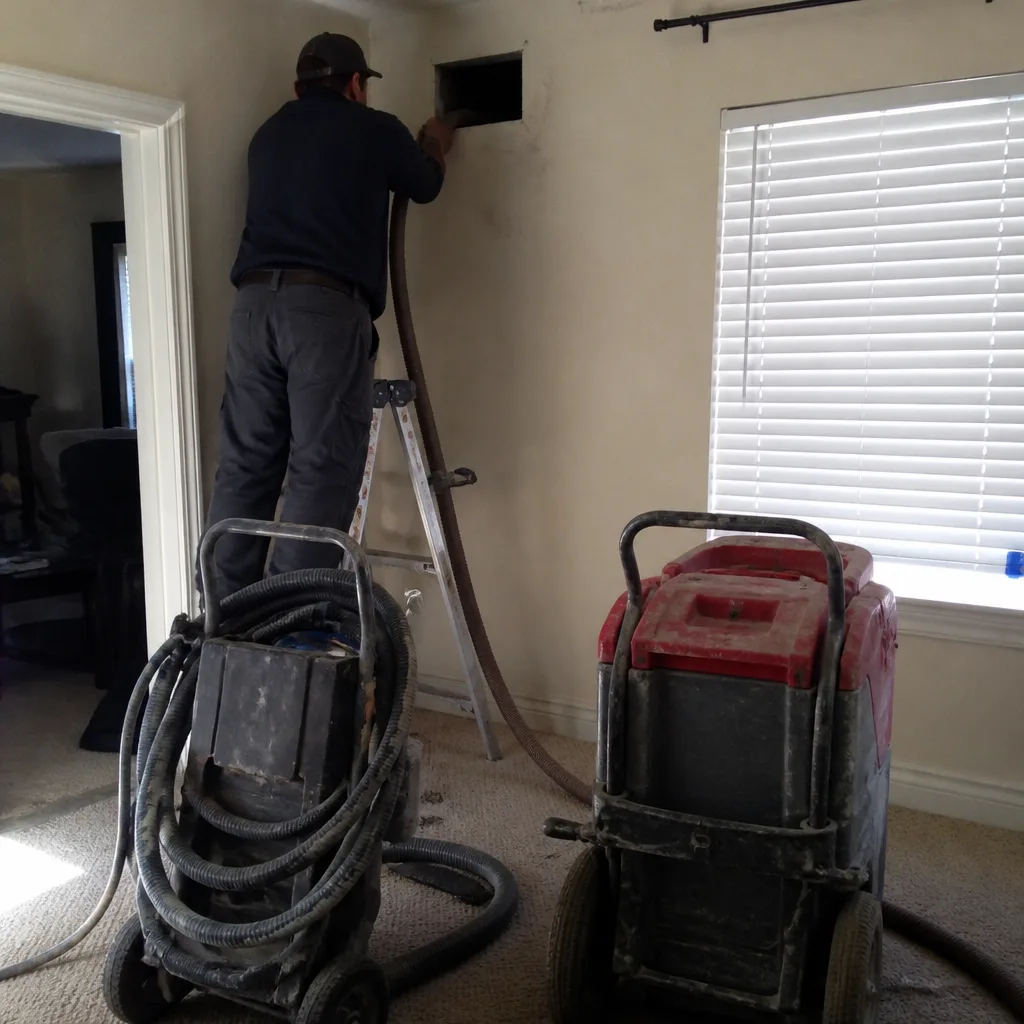 Before
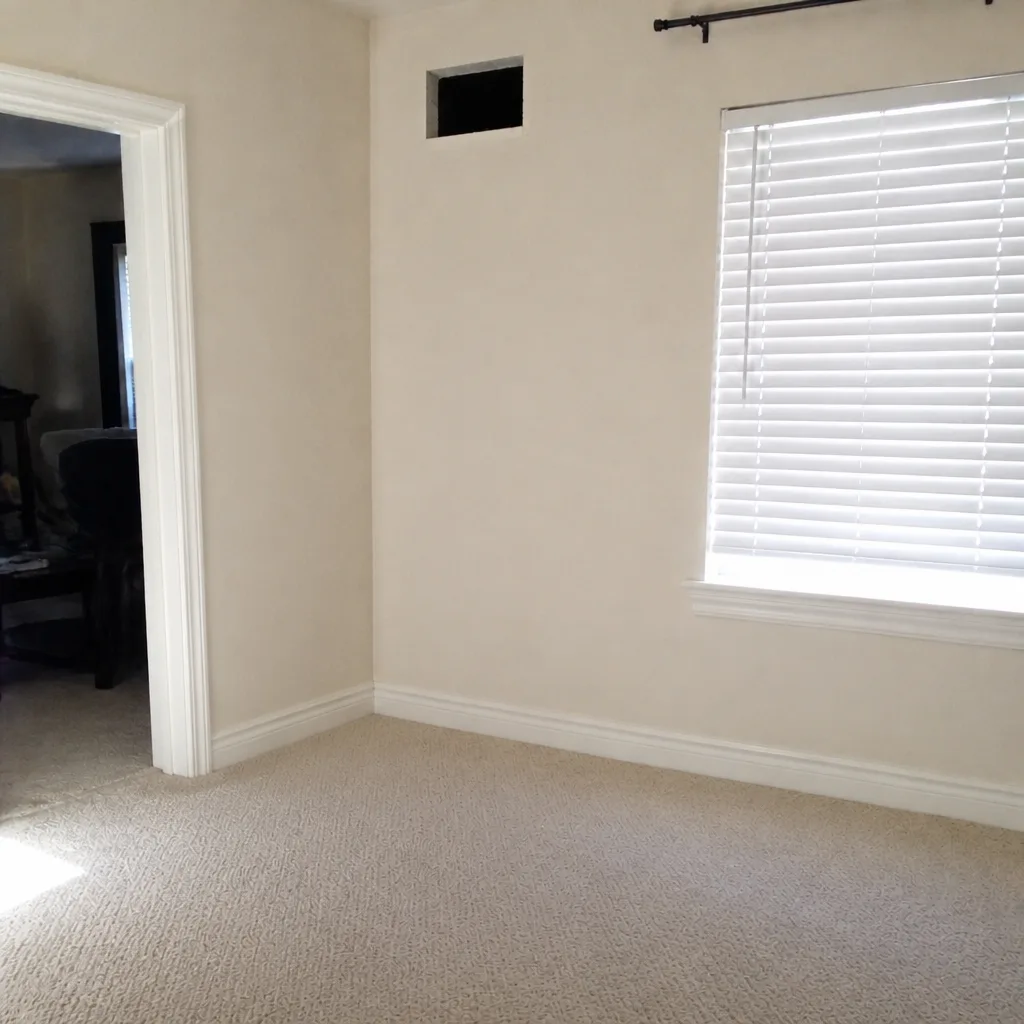 After
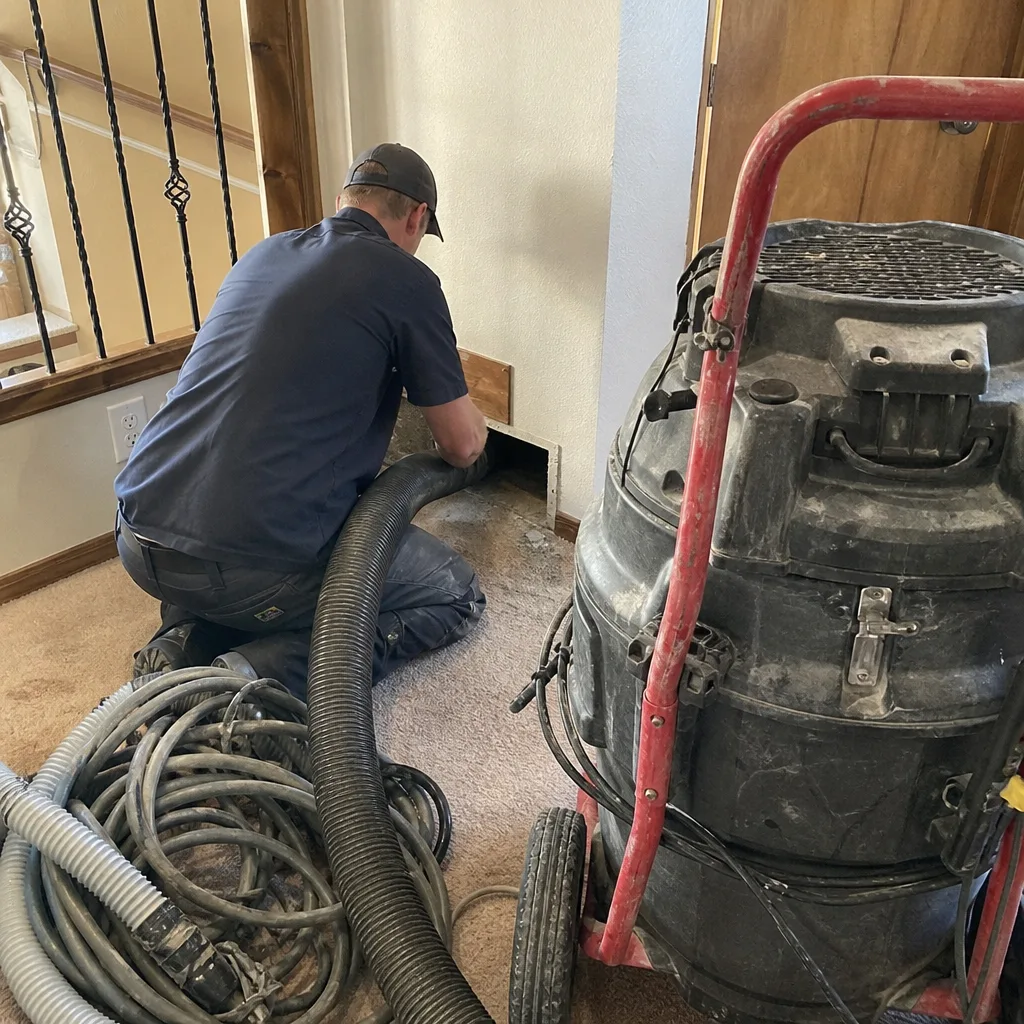 Before
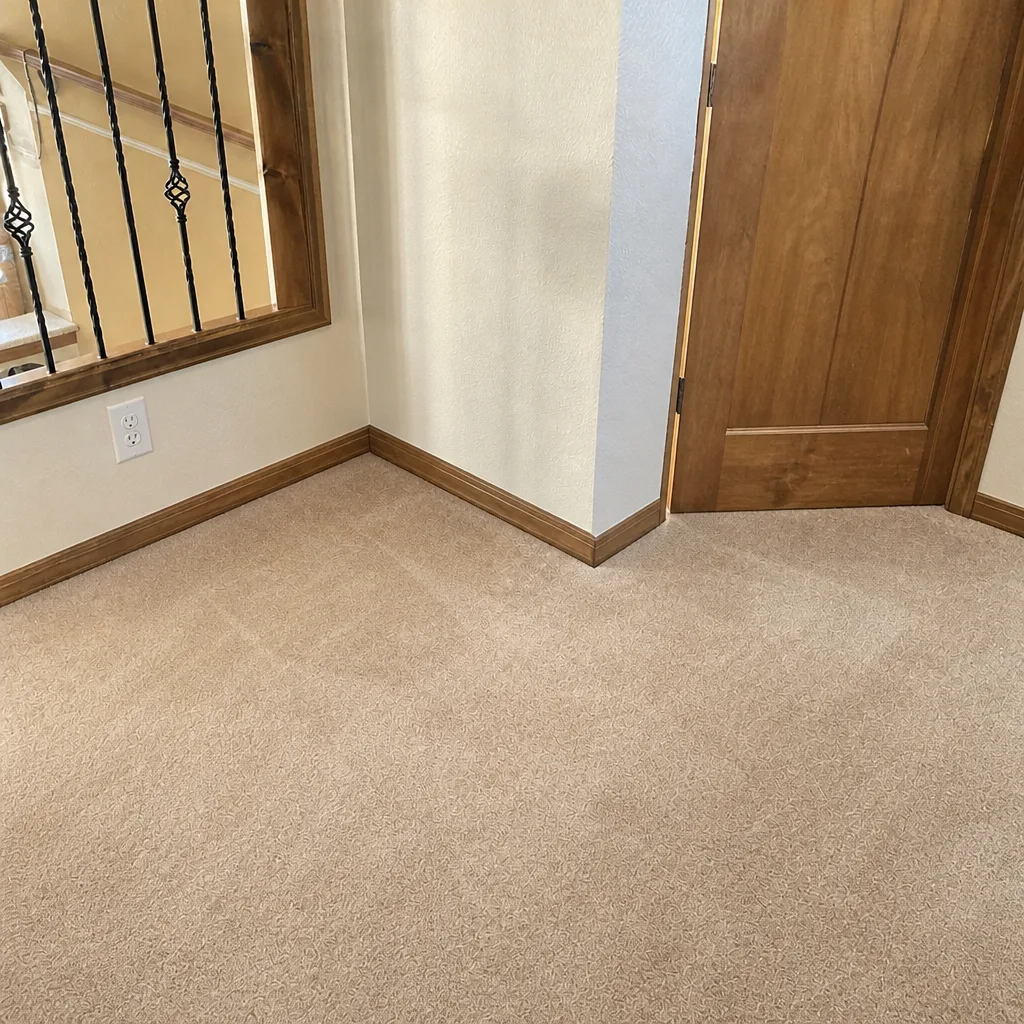 After
 Before
 After
When to Call a Professional
Call a professional immediately if any of the following apply: your system has run during a smoke event and the house still smells of smoke after a filter change; water entered a crawlspace or duct run; you notice debris in your return grilles after an earthquake or renovation; or you’re planning to file an insurance claim on indoor air quality issues. Also call if your last professional duct cleaning is more than a few years old and you haven’t inspected the ducts since. American Fork Air Duct Cleaning offers free estimates in American Fork – call (833) 918-6290. We answer 24/7. Fast dispatch from 7am to 7pm, Sunday through Friday. Our team also handles dryer vent cleaning and HVAC cleaning in the same visit if you’re already scheduling.
Frequently Asked Questions
Typical whole-system air duct cleaning in American Fork runs between $350 and $700 for a standard residential system, with the actual price depending on the number of runs, the level of contamination, and whether sanitizing or repair is part of the job. A smoke or flood-related cleaning with repair and treatment can run higher. We set one flat price per system after the inspection and before any work starts – no per-vent pricing, no invoice surprise. Call (833) 918-6290 for an exact quote – estimates are free.
Low teaser prices usually mean the work is a surface clean – a quick sweep of the main trunk by someone with a shop vac and a brush. The gap between that price and a full-system contact cleaning with HEPA extraction and repair is real, and it’s not a negotiation trick. If a quote sounds too low for the scope you asked for, ask specifically what equipment they’re using, whether they inspect the branch runs, and whether they provide before-and-after photos of the ducts. Call (833) 918-6290 if you’d like to talk through a quote you’ve received.
You should receive before-and-after photos of your own ducts, not stock photos, plus a written description of what was removed and the equipment used. If a company won’t provide that, the work is difficult to verify. Call (833) 918-6290 and we’ll walk you through what a documented cleaning looks like.
For most American Fork homes, every three to five years is a reasonable cycle, sooner if you’ve had a smoke event, a water event, a renovation, or a significant seismic event. Homes with pets, allergies, or heavy occupancy benefit from closer to three years. Call (833) 918-6290 for an honest assessment of your specific system.
Insurance coverage depends on the specific event and your policy, but documented contamination related to a covered event is often claimable. The key is thorough documentation: before photos, duct interior photos, a written contractor assessment, and an itemized invoice. We can help you assemble what your adjuster needs, though we don’t bill the insurance company directly. Call (833) 918-6290 to discuss your situation before the work begins.
Cleaning removes accumulated dust and light contamination. Remediation addresses water damage, microbial growth, or heavy smoke and debris intrusion – it typically involves negative-pressure containment, HEPA extraction with equipment made for that scope, and possibly drying before cleaning. If your duct system has been wet or has visible growth, it’s a remediation scope. Call (833) 918-6290 and we’ll tell you honestly which type of job you’re looking at.
The Bottom Line
American Fork homes face three real duct contamination scenarios – wildfire smoke from valley and ridge fires, seismic events that dislodge attic and construction debris into the system, and flash flooding that reaches crawlspace duct runs near the Provo River corridor. The response is the same blueprint in each case: shut the system off, document what you see, replace the filter, and call a professional before you run the system again. The documentation you compile before an emergency is what makes your insurance claim credible and your recovery fast. And the cleaning job itself – full-system, with the right equipment, with repair and sealing and sanitizing – is what actually clears the air path. If you’re not sure whether you’re facing a routine cleaning or a remediation project, call us and we’ll tell you straight.
Call (833) 918-6290 for a free estimate on duct cleaning, dryer vent cleaning, HVAC cleaning, duct repair and sealing, or air quality treatment anywhere in American Fork. We answer 24/7. Fast dispatch from 7am to 7pm, Sunday through Friday. Our technicians have up to 13 years of experience, and we use professional-grade equipment from Rotobrush, Nikro, and Abatement Technologies – the same systems trusted by remediation contractors. One flat price per system, agreed before work starts, with before-and-after photos of your own ducts when we’re done.
Written by the team at American Fork Air Duct Cleaning.