
Last updated November 24, 2026
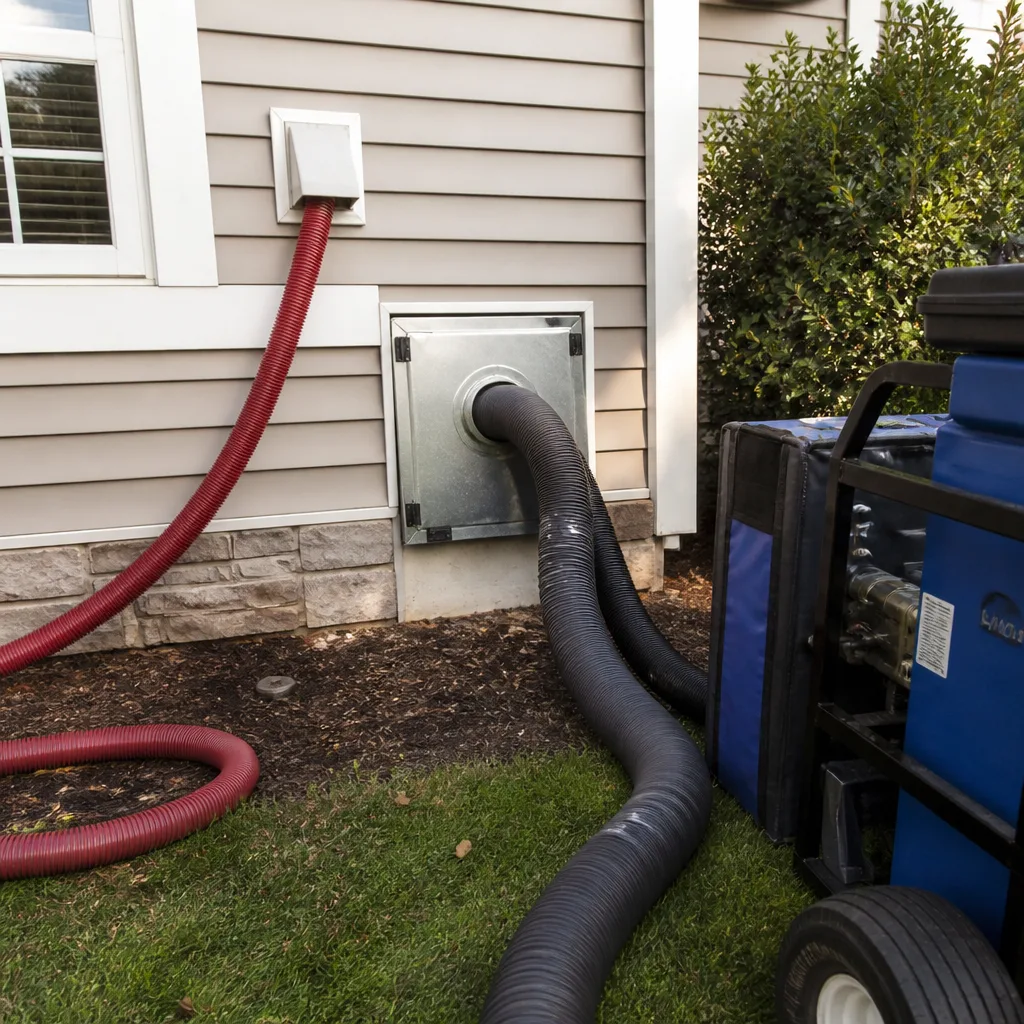 Whole-home duct cleaning
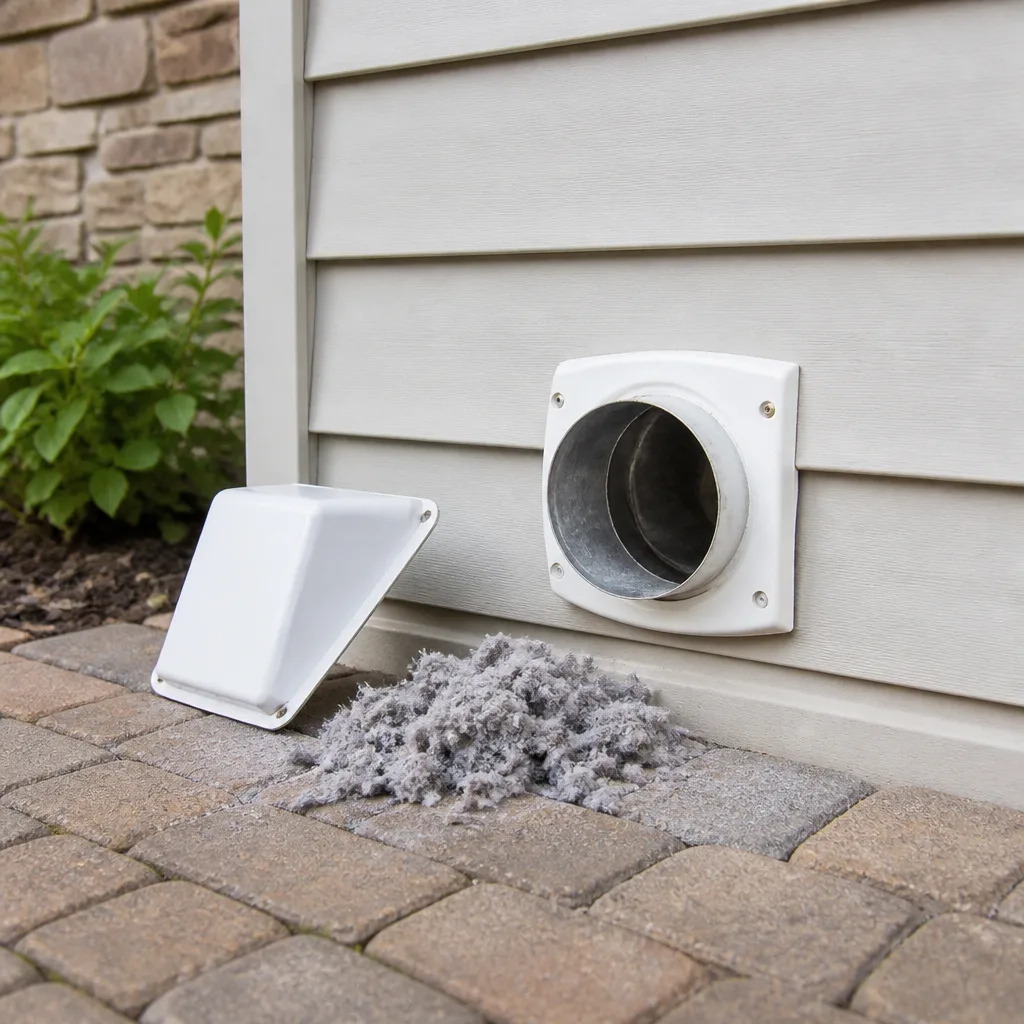 Dryer vent cleaning
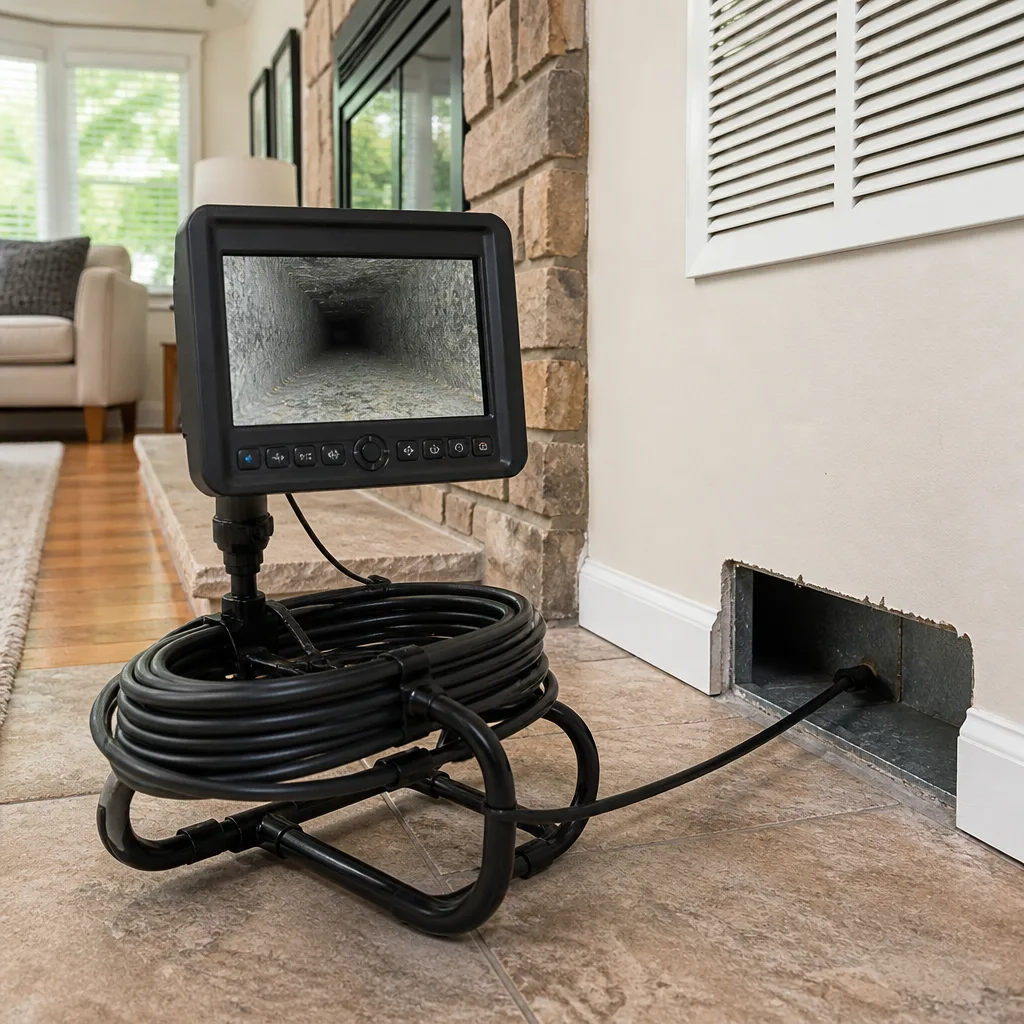 Camera inspection
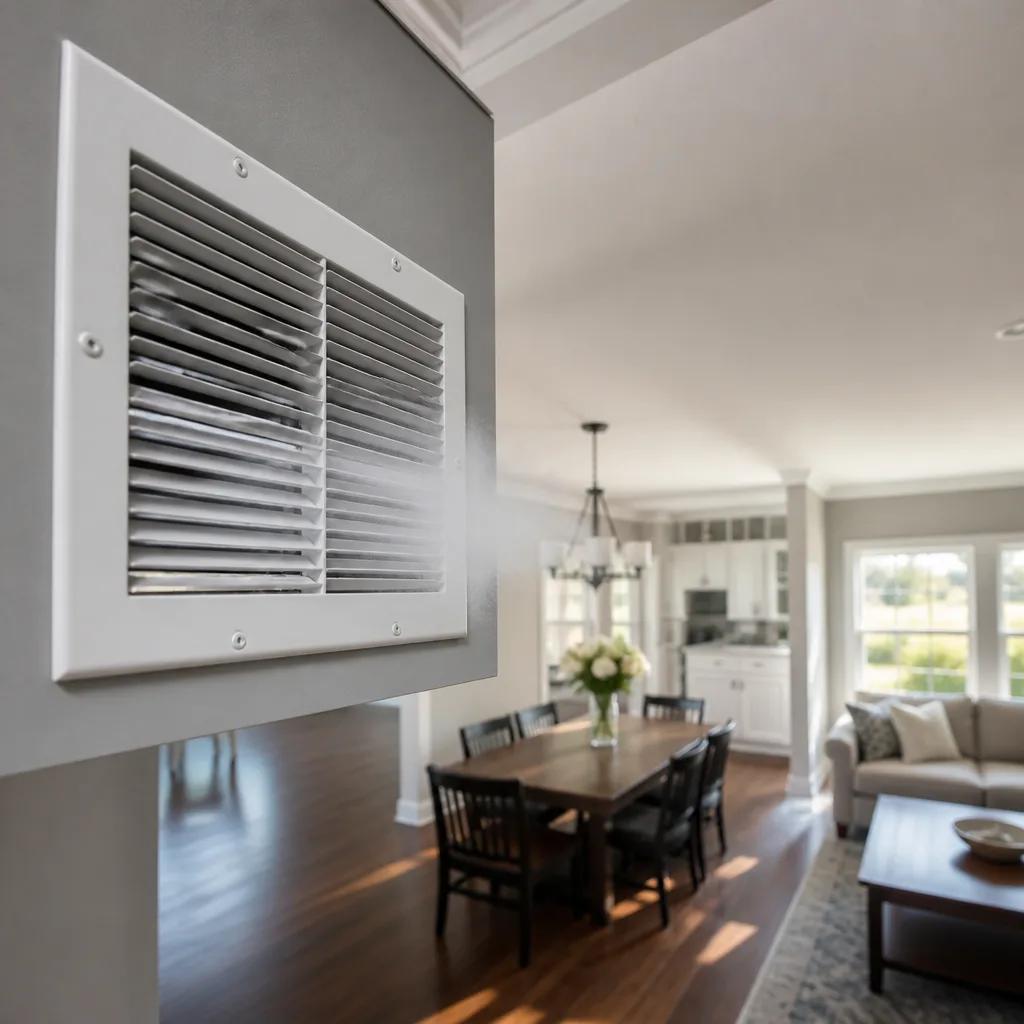 Sanitizing & deodorizing
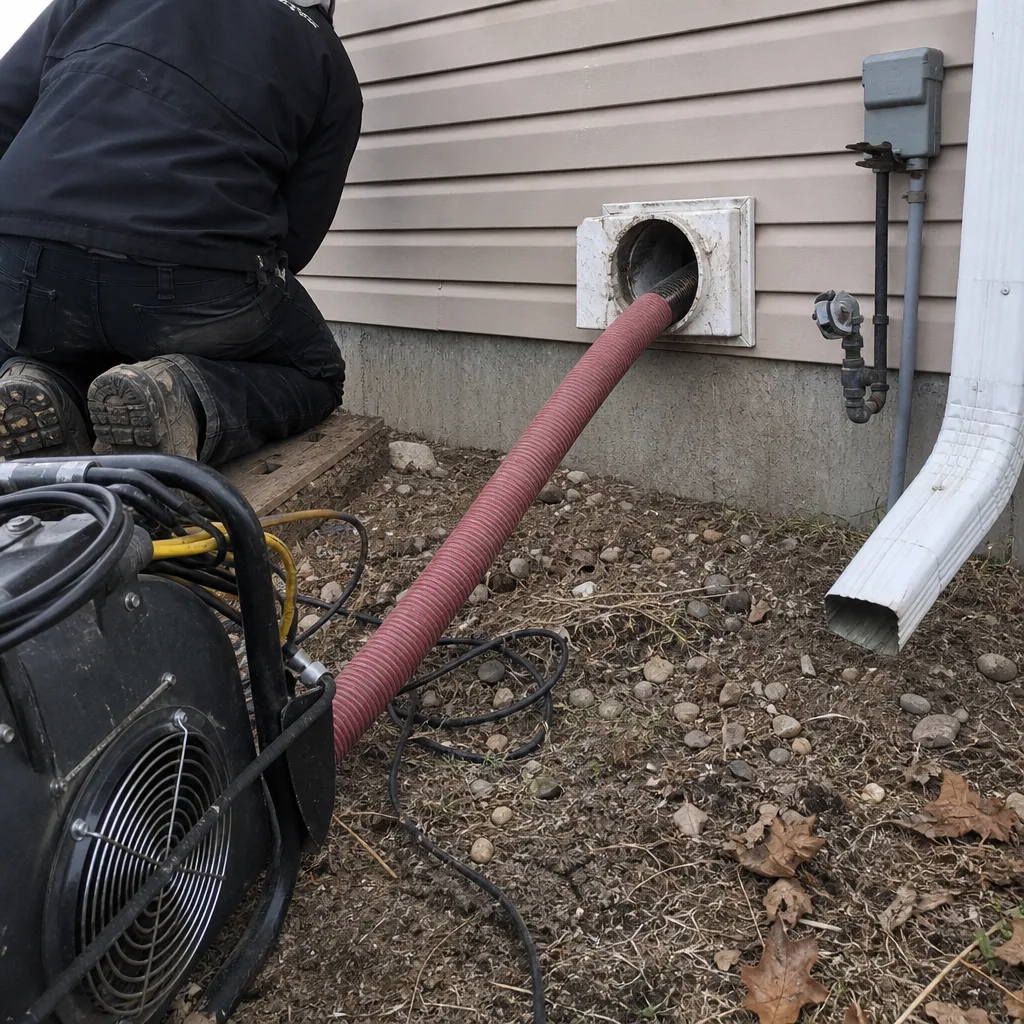
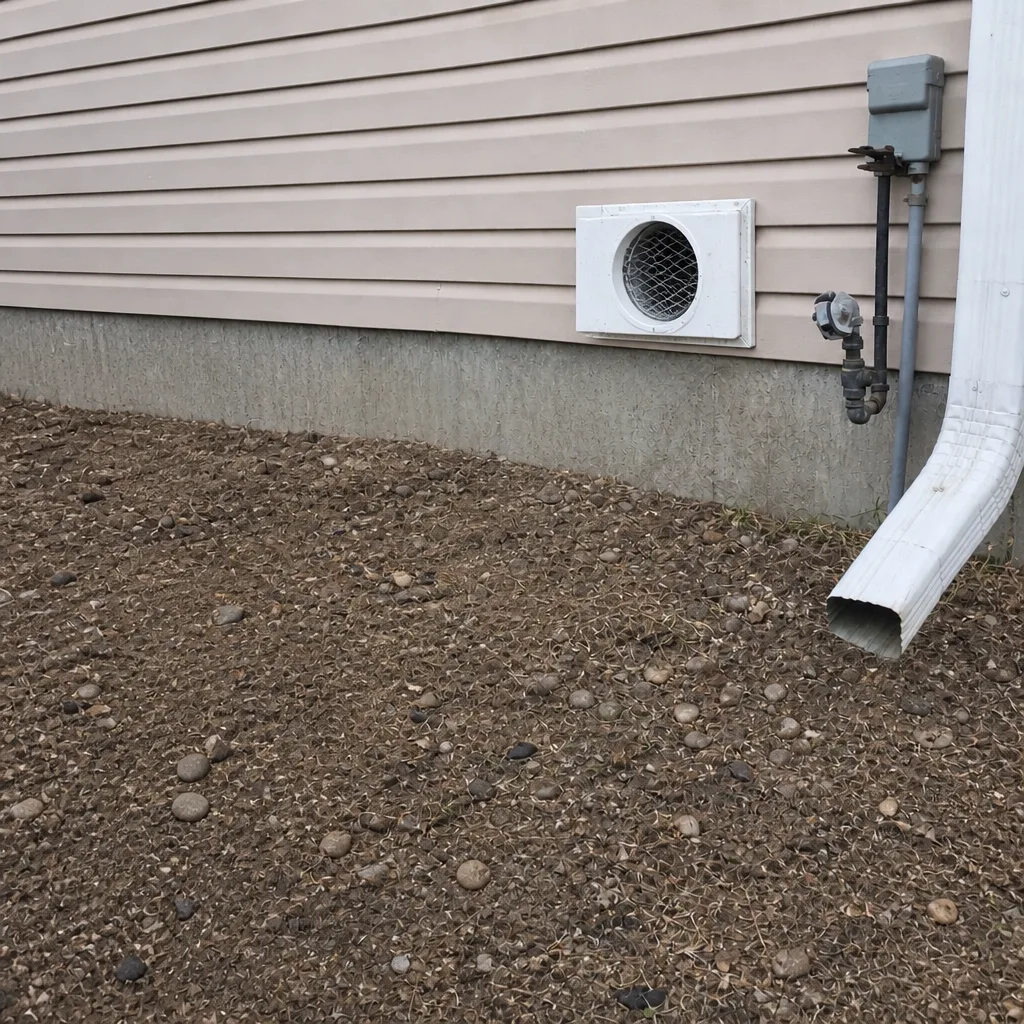
Whole-system duct and dryer vent check with before-and-after photos - you see exactly what came out of your vents
That "$99 whole-house special" is a bait ad - the real number appears once they are in your hallway, or the "clean" is a shop-vac at the register. We photograph the inside of your ducts before and after instead.
Air Duct Cleaning Maintenance Checklist for American Fork Homeowners
Changing your filter on the first of the month is good hygiene. It won’t tell you that the flex duct in your crawlspace kinked six months ago and has been pooling condensate ever since. A checklist that only tracks filter dates misses the places where duct systems actually fail: the return plenum that pulls attic dust, the register boot that separated from the subfloor, the air handler cabinet seam that opened after a remodel. What follows is a zone-by-zone inspection routine you can run yourself, plus the event-triggered checkpoints that matter more than any calendar. We’ll show you what to look and smell for at each point, which signals mean stop and call, and how American Fork’s particular dust load changes the picture.
Styles & brands we work with
- Whole-home duct cleaning
- Dryer vent cleaning
- Camera inspection
- Sanitizing & deodorizing
Quick Answer
A duct maintenance checklist for American Fork homeowners should cover five inspection zones (supply trunk, return plenum, flex duct runs, register boots, and the air handler cabinet) checked on a seasonal schedule, plus event-triggered inspections after any remodel, roof repair, HVAC replacement, or pest treatment. Time-based cleaning schedules matter far less than catching contamination events early. Visible mold, standing moisture, or a strong odor at first startup are red-line items that mean shut the system down and call a professional.
Table of Contents
- Why a Schedule Isn’t a Checklist
- The Five Inspection Zones
- A Step-by-Step Seasonal Walkthrough
- Event-Triggered Checkpoints
- Documenting Duct Condition With Your Phone
- American Fork Maintenance Notes: Desert Dust and Return Ducts
- Red-Line Items: When to Stop and Call
- Common Mistakes to Avoid
- When to Call a Professional
- Frequently Asked Questions
- The Bottom Line
Why a Schedule Isn’t a Checklist
Most maintenance advice tells you to clean your ducts every three to five years. That number is a rough average, and it hides the actual risk. Duct contamination rarely builds evenly over time. It arrives in events: a bathroom remodel that dumps drywall dust into the return, a failed filter left in place for a season, a crawlspace that took on water during spring runoff, a roof repair that shook loose insulation debris into the attic air path. A homeowner in American Fork who cleans on a strict five-year cycle can still be breathing construction dust from a kitchen renovation three winters later.
The better mental model: your ducts are a diagnostic surface. What’s inside them tells you what happened to your house and when. A checklist that reads those signals catches contamination while it’s still localized in one branch rather than spread through the entire network. That’s the difference between cleaning one contaminated run and cleaning a whole system.
This guide breaks the work into two kinds of checkpoints. Time-based ones are what you do on a calendar: seasonal visual inspections, filter changes, and a professional assessment on a reasonable interval. Event-triggered ones are what you do when something happened to your house, regardless of when you last cleaned. Both matter, and the second kind is where most homeowners fall behind. A proper air duct cleaning assessment starts by asking what your house has been through, not by looking at the calendar.
One more thing before the walkthrough. You are inspecting, not repairing. We’ll tell you what to look for and what it means. We won’t walk you through disassembling ductwork, opening the air handler, or reaching into a plenum. Those steps belong to someone with the right tools and the right containment equipment, and the reason will be clear by the end of this guide.
The Five Inspection Zones
Think of your duct system as five zones, each with its own failure modes. Inspect them in order, starting where air leaves the equipment and working outward. You’ll need a flashlight, a phone camera, and about twenty minutes.
Zone 1: The Supply Trunk
The supply trunk is the main run coming off the air handler that distributes conditioned air to the house. Look at the trunk’s exterior first: seams, joints, and any taped connections. Loose tape, sagging insulation, or gaping seams mean you’re losing conditioned air into a crawlspace or attic before it ever reaches a room. That’s both an efficiency problem and a contamination entry point, because a negative-pressure crawlspace will pull its own air into the system through those gaps.
Smell matters here. A musty or earthy odor at the trunk exterior suggests moisture nearby. A dust-and-fiberglass smell is normal. A sharp chemical smell is not, and it’s worth investigating what’s stored near the duct run.
Zone 2: The Return Plenum
The return plenum is the large duct section that gathers air from the house and delivers it back to the air handler. In American Fork homes with a central return, this is the single most-loaded section of the system, because all the dust, pet hair, and carpet fiber the house produces passes through it. Inspect the plenum’s accessible joints for accumulation of dust on the exterior surface, and peer into the return grille with a flashlight. A thin, even film is normal. A thick mat of gray fiber or a visible dust drift means the return is overdue.
Zone 3: The Flex Duct Runs
Flex duct is the corrugated, insulated duct common in crawlspaces and attics. It has two failure modes worth checking. First, kinks and sharp bends. A flex run that’s compressed or kinked restricts airflow and creates a low spot where condensate can collect during cooling season. Second, torn or detached outer insulation. The outer jacket is what keeps attic or crawlspace air from being drawn into the duct through the inner liner’s perforations. A run with a damaged jacket is effectively an unfiltered intake.
Zone 4: The Register Boots
The register boot is the fitting where duct meets the floor, wall, or ceiling opening. This is where ducts most often separate from the house structure. In older American Fork homes with pier-and-beam or crawlspace construction, subfloor settling can pull a boot loose by a half inch, which is enough to draw in dust from below the floor. Lift the register grille and look at the gap between the boot and the subfloor. Any visible gap with dust staining around it is a sealing issue, not a cleaning issue.
Zone 5: The Air Handler Cabinet
The air handler cabinet houses the blower and the evaporator coil. Look at the cabinet exterior for condensation, water staining, or rust. Look at the filter slot to make sure the filter is seated properly and not bypassing air around its edges. That last check catches more problems than any other single inspection point, because a filter that doesn’t seal at its frame is a filter that’s only doing part of its job.
A Step-by-Step Seasonal Walkthrough
Run this walkthrough twice a year, once before heating season and once before cooling season. It takes about twenty minutes and produces a record you can compare against next time.
- Photograph the filter before you touch it. Shoot the filter in place with the grille open, at a slight angle so the loading pattern shows. Then replace it and photograph the new one installed. The paired photos are your baseline.
- Check the return grille in each room. Look for dark staining around the grille edges. That staining is air bypassing the grille and pulling dust from the wall cavity, and it’s a sign the boot is loose.
- Look at the accessible supply trunk and plenum joints. Note any separated tape, sagging insulation, or visible gaps. Photograph them.
- Smell the air at the supply register in each room during the first few minutes of a cycle. A clean system smells like nothing. Note any room that smells different from the others, because a localized odor points to a localized problem.
- Check the air handler cabinet for moisture. Condensation on the cabinet, water staining on the filter frame, or rust at the bottom seam are all flags. Photograph whatever you find.
- If you have crawlspace or attic access, look at the flex runs from the access point. Don’t crawl through tight spaces or handle ductwork. Just note kinks, sagging, or visible jacket damage from where you can safely stand.
- Note the date and your observations in a simple log. A notes app entry is fine. The log is only useful if the next entry can be compared to it.
That’s the full time-based routine. What it does not include is cleaning the ducts yourself. Consumer duct cleaning kits are not a substitute for professional cleaning, because they agitate debris without containing it. We use Rotobrush contact cleaning and Nikro HEPA extraction with Abatement Technologies negative-pressure containment precisely so that loosened debris leaves the system rather than redistributing through the house. Our technicians have up to 13 years of experience in American Fork duct systems, and the pattern of what goes wrong in these homes is fairly consistent from one inspection to the next.
Event-Triggered Checkpoints
This is the section most homeowners skip, and it’s the one that prevents the expensive version of duct problems. Certain household events load your ducts with contamination in a short window. After any of them, run the seasonal walkthrough regardless of when you last cleaned.
- Bathroom or kitchen remodel. Drywall dust is the worst offender in duct systems. It’s fine enough to travel the entire network and heavy enough to settle into the return plenum. Before the first cut, seal the return grilles in the work area with plastic and tape. After sanding is finished, pull the plastic and inspect the return grille within a day.
- Roof repair or attic work. Attic ducts sit at negative pressure relative to the rooms below when the system runs. Anything the roofer disturbs, shingle granules, blown insulation, sawdust from sheathing repairs, gets drawn into the flex runs. Inspect from the attic access point afterward.
- HVAC replacement or repair. Whenever the air handler is opened, the system should get an inspection before the new equipment runs a single cycle. Duct debris that’s been sitting in the plenum gets pushed straight into the new coil if it isn’t removed first. A proper HVAC cleaning at this moment protects the investment.
- Pest treatment or an animal in the attic. Rodents use duct insulation as nesting material and leave droppings in attic runs. Any pest activity near the air path warrants an inspection and, in most cases, sanitizing afterward.
- Water intrusion. A flooded crawlspace, a roof leak that wet attic insulation, or a sump backup near the duct run all create the conditions for microbial growth inside ductwork. Inspect within days, not months.
- A dryer that’s taking longer than it used to. This one points to the vent rather than the ducts, but it’s a checkpoint worth building in. We do dryer vent cleaning for exactly this reason, and a lint-clogged vent is a fire risk rather than just a performance problem.
One more event worth adding to the list: a major pollen season. American Fork sits at the base of the mountains, and tree and grass pollen can come in heavy when the wind shifts off the canyons. A filter that clogs in a week is a signal that the return ductwork is pulling more particulate than usual, and it’s a reasonable moment to look at the system rather than just swap the filter again.
Documenting Duct Condition With Your Phone
Photos turn your checklist from a memory exercise into a comparable record. The key is consistency, because a photo taken from a different angle at a different height can’t tell you much when you pull it up a year later. Here’s a routine that keeps the comparison honest.
- Shoot each register from the same spot. Stand directly in front of the grille, hold the phone at grille height, and frame the opening so all four edges show. Save it with a name that includes the room and the date.
- Use a flashlight at a low angle for interior shots. A light held parallel to the duct surface rakes across dust and makes the accumulation pattern visible. A light aimed straight in just reflects back at the camera.
- Photograph the filter against a plain background after removal. Lay it on newspaper or a porch step. The loading pattern tells a contractor a lot about airflow and bypass.
- Get a shot of any staining, condensation, or water mark with something for scale, such as a coin or a pencil. Size is the difference between cosmetic and concerning.
What to actually send a contractor for a remote assessment: the register photos from two or three rooms, the filter photos (before and after), and any shot that shows staining, moisture, or gaping joints. Do not try to photograph the interior of the trunk or plenum, and never open the air handler cabinet for the camera. The equipment that safely contains that work is not consumer gear. Photos of what you can safely see from outside the system are genuinely useful, and they often shorten the assessment conversation considerably.
We keep before-and-after photos of the system we clean for exactly this reason. A record of what was removed and what the interior looked like afterward is the honest answer to the question of whether the work was actually done.
American Fork Maintenance Notes: Desert Dust and Return Ducts
The dust in American Fork is not the same as the dust in most of the country. Fine alkaline particulate from the surrounding desert terrain travels on the wind, and it behaves differently than the larger fibers that a standard filter is designed to catch. A MERV-8 filter will grab a good portion of it, but a meaningful share of the fine fraction passes through and settles in the return plenum and the horizontal flex runs where airflow slows.
The practical consequence: in American Fork, the return ductwork loads faster than the supply ductwork does. It’s a common pattern in our inspections, and it argues for looking at the return specifically rather than trusting a general “ducts look fine” impression. If your filter is turning gray-black on the intake face within a month, that’s the return telling you it’s carrying a heavy load.
A few local conditions worth building into your checklist:
- Spring wind events. After a stretch of high wind out of the canyons, check the filter and look at the return grille within a few days. It’s a reliable predictor of filter loading, and it’s a good moment for an inspection photo.
- Crawlspace humidity after snowmelt. Runoff season puts moisture into crawlspaces along the lower parts of American Fork. Any sign of dampness near a flex run is a checkpoint for moisture, not just dust.
- Filter upgrade choices. A higher-efficiency filter traps more of the fine desert particulate, but it also puts more static pressure on the blower. If you’re considering an upgrade, the right move is a conversation about your specific system rather than a step up the MERV scale. We work with Honeywell and Aprilaire filtration products for that reason, because they’re engineered for the system rather than bolted onto the return grille.
- Older homes near the center of town. Homes with original ductwork and a pier-and-beam foundation tend to have more register boot separation than newer construction on slab. The boots are worth a closer look in those homes.
None of this changes the basic checklist. It changes where you focus it. In American Fork, the return side and the register boots deserve more attention than the average national cleaning guide suggests.
Red-Line Items: When to Stop and Call
Most checklist findings are informational. A few are not. These red-line items mean shut the system down and call a professional rather than running the fan and hoping the filter catches it.
- Visible mold growth anywhere in the air path. If you can see it on the register boot, the plenum exterior, or the air handler cabinet, the system is distributing spores every time it runs. Turn it off.
- Standing moisture or active dripping inside or near ductwork. This is a different problem than a dirty duct, and it won’t be solved by cleaning. Moisture has to be found and corrected at the source before any cleaning makes sense.
- A strong or foul odor at first startup after a summer shutdown. A system that’s been idle through the cooling season with the fan off can develop a musty, sewage-like, or sharp odor by the time heating season begins. That smell at first startup is a genuine red flag rather than a quirk. Shut it down and get it assessed.
- Rodent droppings in or near the ductwork. This is a contamination and health issue, not a cleaning job you should handle yourself. Don’t run the fan. Call.
- Any hissing, scorching smell, or burning odor coming from the air handler. That’s an electrical or mechanical failure signal, and it’s outside the scope of any duct work. Turn the system off at the disconnect and get an HVAC technician.
When we find one of these conditions, the response isn’t just a clean and a sanitize and a wave goodbye. Our full-scope approach is clean, seal, and treat: clean the ducts, repair and seal the gaps that let contamination in, and apply a Guardsman-grade sanitizing treatment afterward to inhibit regrowth. The sequence matters. Sanitizing over a dirty duct is a waste of the treatment. Sealing a mold-contaminated joint without cleaning puts the seal over the problem. If any red-line condition turns up in your American Fork home, the first step is a professional assessment of the whole air path rather than a piecemeal fix.
Common Mistakes to Avoid
- Treating the filter as the whole checklist. The filter catches what reaches it. It says nothing about the flex duct that’s kinked in the crawlspace or the register boot that’s separated from the subfloor.
- Cleaning on a rigid calendar and ignoring events. A remodel in month one can contaminate a system that otherwise would have been fine for another three years. The event, not the calendar, is the real trigger.
- Assuming a cheap filter upgrade solves desert dust. Higher MERV captures more fine particulate but increases static pressure. On an older American Fork system, the wrong filter chokes airflow and pushes the blower harder than it should.
- Running consumer duct cleaning kits. Consumer kits agitate debris without negative-pressure containment. What doesn’t come out of the system redistributes into the rooms, which is the opposite of the goal.
- Skipping the dryer vent. The dryer vent is part of the household air-path maintenance picture, and a clogged vent is a fire risk. Many air duct cleaners don’t offer dryer vent cleaning, so it quietly falls off the checklist.
- Cleaning without sealing. A clean duct system with open seams and a loose boot is an incomplete job. The gaps that let contamination in will let it back in within a season.
- Ignoring the smell and chasing the dust. A persistent odor often points to moisture, which is the more serious issue. No amount of cleaning solves a wet duct problem.
When to Call a Professional
You should call a professional when any red-line finding appears; when an event-triggered inspection turns up contamination beyond a thin film; when the return plenum shows a heavy dust mat; or when the seasonal walkthrough reveals separated joints, moisture, or register boot gaps that need repair rather than cleaning. You should also call if you simply can’t safely reach the inspection points, which is common in tight crawlspaces. The inspection you can do from outside the system is useful. The work inside it is professional territory, because the right equipment is what separates cleaning from redistribution.
American Fork Air Duct Cleaning offers free estimates in American Fork. Call (833) 918-6290. We answer 24/7. Fast dispatch from 7am to 7pm, Sunday through Friday. We can’t promise a same-day visit on a call that comes in outside dispatch hours; that call gets booked into the next opening. Estimates are free, and the price is set per job by the written estimate before any work starts.
Frequently Asked Questions
Run the visual walkthrough twice a year, before heating season and before cooling season, and add an inspection after any remodel, roof repair, HVAC replacement, pest treatment, or water intrusion. American Fork’s fine desert dust loads the return side fairly quickly, so return grilles and filters deserve a monthly glance between the seasonal walkthroughs.
Pricing depends on the size and layout of the system, how many branches it has, and how much contamination is present. We don’t quote a coupon price and then turn it into a much larger invoice on the driveway. The estimate is free, the price is set per job by the written estimate before any work begins, and you get before-and-after photos of your own system when it’s done. Call (833) 918-6290 for an exact quote.
The low-quote versions often price per vent rather than per system, then add line items for each additional register, for sanitizing, or for work that turns out to be required. They’re not pricing the same job we’re pricing. A per-vent quote can’t account for how large the trunk and the return plenum are, which is where most of the work and most of the contamination actually lives.
You should see before-and-after photos of your own system, and you should be able to see the equipment used. We run Rotobrush contact cleaning and Nikro HEPA extraction with Abatement Technologies negative-pressure containment, which is the same equipment used in commercial remediation work. If the equipment and the photos don’t match the quote, ask why.
Standing moisture inside or near the ducts is the most serious finding, because it’s the condition that turns a cleaning problem into a microbial problem. Visible mold, rodent activity in the air path, and a strong or foul odor at first startup after the cooling season are all in the same category: shut the system down and call for an assessment rather than running the fan and hoping the filter handles it.
It’s worth doing on its own schedule. The dryer vent is a separate air path from the HVAC ductwork, but it’s a fire-risk item that many duct cleaners don’t offer, which means it’s easy to overlook. A dryer taking longer than it used to, or a vent that’s visibly lint-loaded at the exterior termination, is the signal to schedule it. Call (833) 918-6290 to book duct and dryer vent work in a single visit.
The Bottom Line
The point of this checklist isn’t to clean on a schedule. It’s to read the signals your duct system sends between professional visits, so you catch contamination events while they’re still in one branch. Inspect five zones: supply trunk, return plenum, flex runs, register boots, and the air handler cabinet. Run the walkthrough twice a year, and run it again after any remodel, roof repair, HVAC replacement, pest treatment, or water intrusion. Keep baseline photos so a year from now you can compare. In American Fork, watch the return side specifically, because desert particulate loads it faster than the supply side. And when a red-line item comes up, keep the fan off and call.
American Fork Air Duct Cleaning covers the full air path: air duct cleaning, dryer vent cleaning, HVAC cleaning, duct repair and sealing, and air quality and sanitizing. Clean ducts, sealed ducts, treated ducts. Call (833) 918-6290 for a free estimate. We answer 24/7. Fast dispatch from 7am to 7pm, Sunday through Friday.
Written by the team at American Fork Air Duct Cleaning.
See the difference
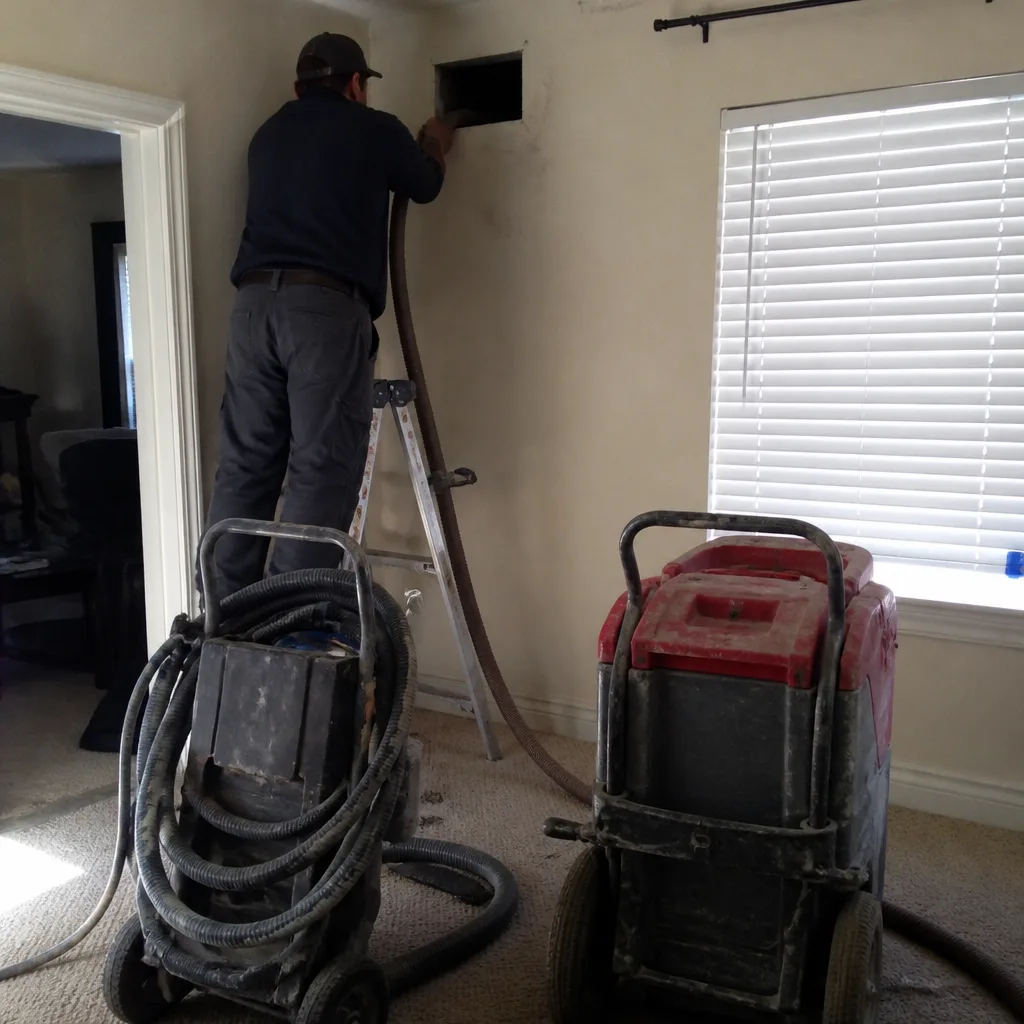 Before
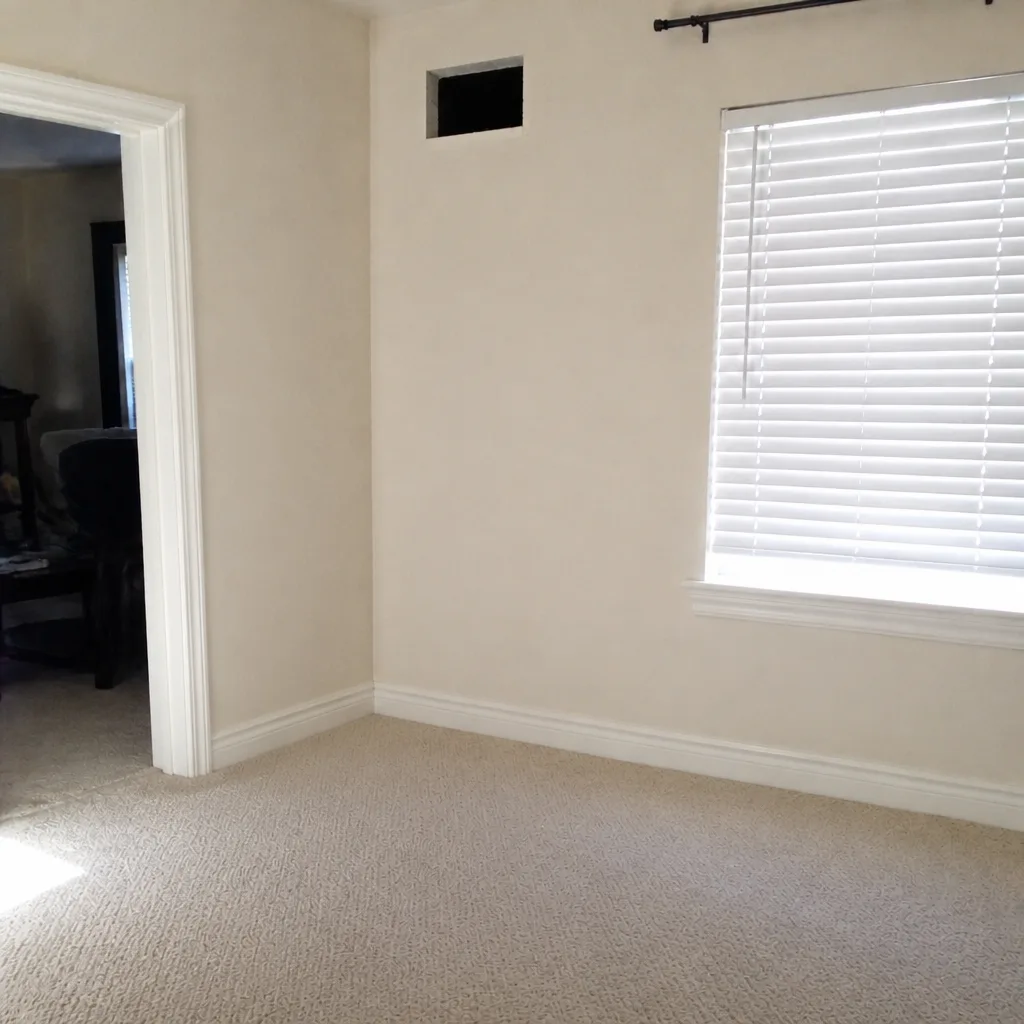 After
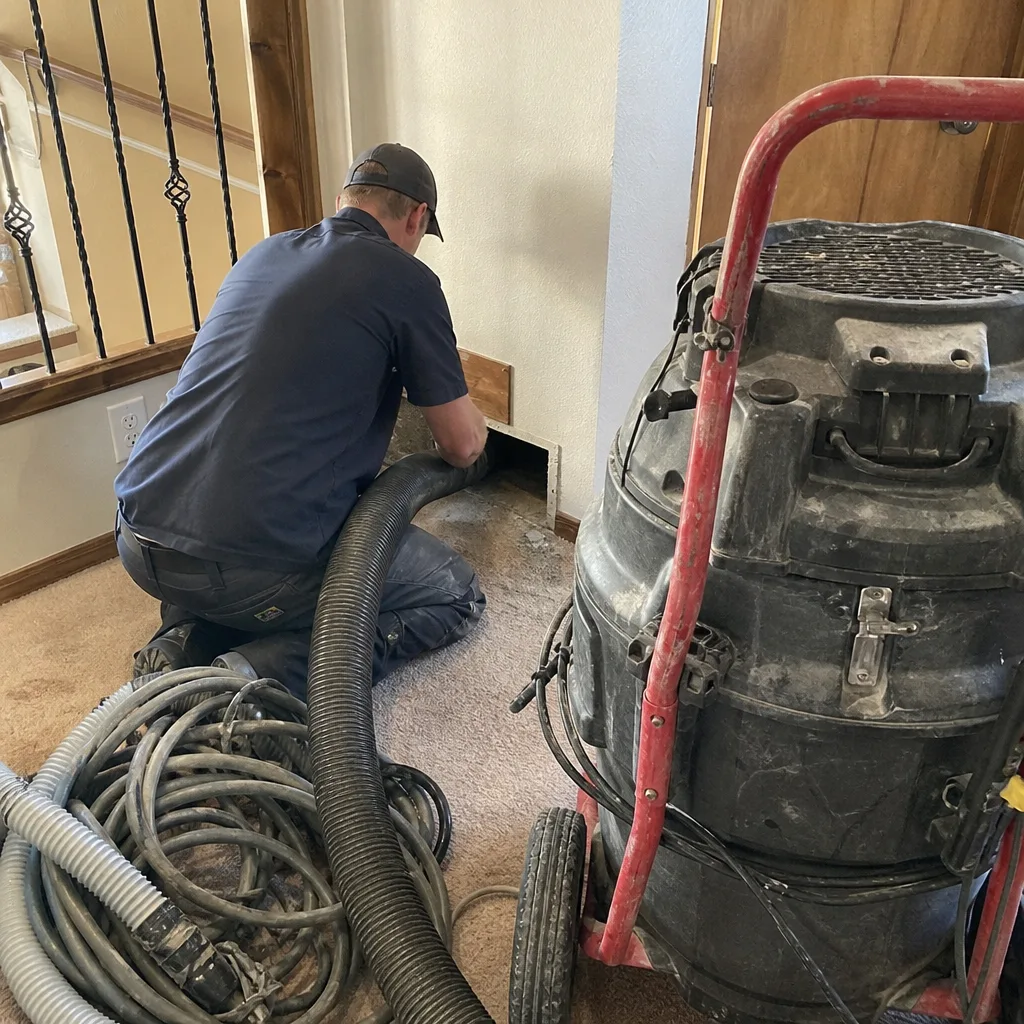 Before
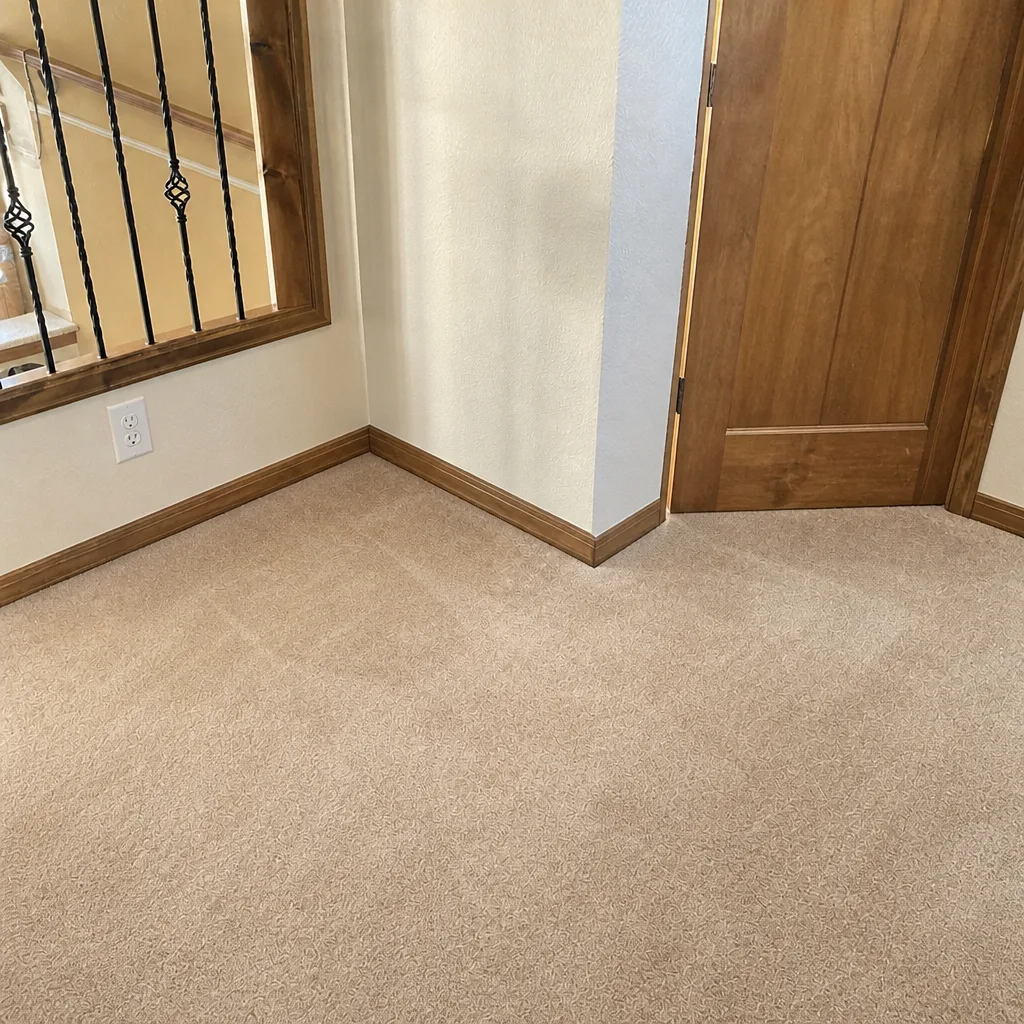 After
 Before
 After